
Flowers
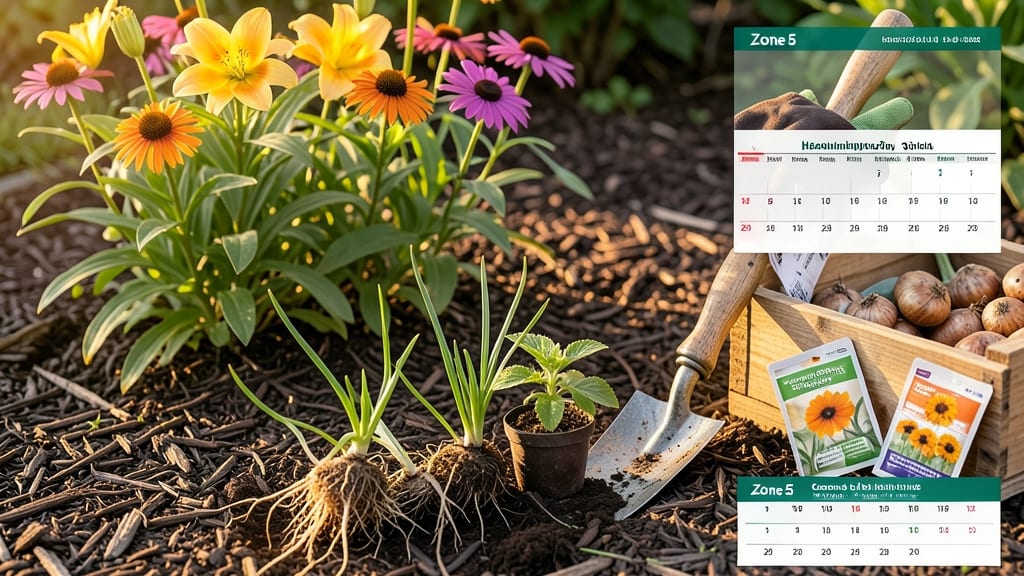
Timing your flower planting in Zone 5 can mean the difference between a stunning garden and a sad pile of frost-nipped blooms. The right window—whether it's late April or September—isn't just about avoiding frost; it's about giving your 🌸 flowers the best shot at thriving through the seasons.
Most gardeners in Zone 5 (General) make one of two mistakes: planting too early and risking winter loss, or waiting too long and missing peak blooms. The science behind soil temperatures and frost dates holds the key to avoiding these pitfalls.
I'll show you exactly when to plant for zero winter loss, whether you're dealing with perennials that return year after year or annuals that need a quick, vibrant show.
Let’s break down the perfect planting schedule for both spring and fall, including how to adjust for microclimates that might extend your growing season. You'll discover which flowers handle Zone 5’s 5a-5b chill like pros and which need extra care to survive the winter.
No more guessing—just data-backed timing for a garden that blooms beautifully every year.
Ready to transform your garden from "meh" to "wow"? We’ll cover everything from the critical 6-8 week rule before your first frost to the best mulching strategies for perennials.
By the end, you’ll know exactly when to plant—and why—so your flowers not only survive but thrive in your Zone 5 climate.

Zone 5 planting timeline for annual flowers: avoid frost while maximizing blooms
Annual flowers in Zone 5 need precise timing to avoid frost damage while ensuring vibrant blooms all season. The last frost date around mid-May sets the baseline, but soil temperature and flower type play equally critical roles.
For most annuals, waiting until soil reaches 50°F ensures roots establish before summer heat arrives.
Heat-tolerant varieties like zinnia and marigold can handle Zone 5’s summer heat, but cooler-loving pansies or snapdragons need earlier starts. Fall planting for late-summer bloomers (like cosmos) should begin 6-8 weeks before first frost—typically by early September.
Here’s how to align your planting with Zone 5’s seasonal shifts for maximum impact:
| Month | Soil Temp (°F) | Best Annuals | Frost Risk | Action |
|---|---|---|---|---|
| March | 40-50°F | Pansies, Violas | High | Start seeds indoors |
| April | 50-60°F | Calendula, Sweet Alyssum | Moderate | Direct sow after frost |
| May | 60-70°F | Zinnias, Marigolds | Low | Plant heat-lovers |
| June | 70-80°F | Sunflowers, Cosmos | None | Succession plant |
| September | 60-70°F | Astors, Snapdragons | Low | Fall planting begins |
For extended-season blooms, try succession planting every 2-3 weeks after your last frost. This keeps your garden vibrant from May through October without gaps. For example, plant cosmos in early June for late-summer color, then follow with asters in July for fall interest.
Zone 5’s short growing season (about 150 frost-free days) demands efficiency. Prioritize fast-growing annuals like bachelor’s buttons or nasturtiums for quick color, while slower growers (like dahlias) need an early start. Use row covers to extend the season by 2-3 weeks if late frosts threaten.
Pro tip: Monitor your local microclimate. South-facing beds warm faster than north exposures, so adjust planting dates accordingly. A 5°F difference can mean the difference between thriving and struggling annuals.
Remember, soil temperature matters more than air temperature. Use a soil thermometer to confirm readiness—50°F is the magic number for most annuals. Planting too early in cold soil stunts root growth, leaving flowers vulnerable to disease and drought.
For late-season plantings, focus on cool-season varieties like stock or sweet peas. These tolerate lighter frosts and bloom beautifully in fall’s milder weather. Just be sure to plant them by early September to give roots time to establish before winter.
By following this data-driven timeline, your annual flowers will burst into color with minimal frost risk. The key? Patience in spring and precision in fall—both pay off in a garden that stays stunning all season long.
Perennial flower planting secrets: when to break dormancy without winter loss
Perennial flowers in Zone 5 have a unique advantage: they return year after year if planted correctly. But timing is everything—plant too early, and roots freeze; too late, and they struggle to establish before winter.
The critical window for perennials is late summer to early fall, when soil stays warm enough for root growth but temperatures begin cooling.
Fall planting (typically September) gives perennials 6-8 weeks to establish roots before dormancy. This is especially true for hardy perennials like coneflowers, black-eyed Susans, and daylilies, which thrive with this head start.
Spring planting (after last frost, around mid-May) works for tender perennials like canna lilies or dahlias, but these often need winter protection.
| Perennial Type | Best Planting Time | Cold Hardiness (Zone 5) | Mulching Tip |
|---|---|---|---|
| Coneflowers | Fall (Sept) or Spring (May) | Zone 3-9 | 3-4" organic mulch |
| Black-Eyed Susans | Fall (Sept) only | Zone 4-9 | Straw mulch for insulation |
| Daylilies | Fall (Sept) or Spring (May) | Zone 4-10 | Leaf litter mulch |
| Peonies | Fall (Sept) only | Zone 3-8 | Heavy mulch (5") |
| Dahlias | Spring (May) only | Zone 7-11 (needs protection) | Row covers in fall |
The key to perennial survival in Zone 5 is mulching. A 3-5 inch layer of organic mulch (straw, leaves, or shredded bark) insulates roots during winter.
For peony roots, which are especially vulnerable, use 5 inches of mulch to prevent heaving. Water deeply before mulching to encourage root growth before dormancy.
Spring planting works for tender perennials but requires emergency frost protection if late frosts hit. Use frost cloths or row covers to shield new growth. For fall-planted perennials, avoid fertilizing after mid-August—this encourages tender new growth that won’t survive winter.
Zone 5’s first frost (around mid-October) signals the end of active growth for most perennials. At this point, focus on watering deeply and adding mulch to protect roots. Perennials like hostas and heucheras thrive with this approach, while salvias may need extra insulation in colder microclimates.
Pro tip: Divide perennials every 3-4 years in early spring (before new growth starts) to rejuvenate plants. This prevents overcrowding and ensures stronger root systems for winter survival. For woody perennials like butterfly bushes, prune in late winter to avoid stimulating new growth too early.
By mastering these perennial planting secrets, your garden will reward you with year-after-year blooms without winter loss. The trick? Fall prep for hardy types and spring caution for tender varieties—both ensure your perennials wake up ready to bloom in Zone 5’s challenging climate.