
Plants
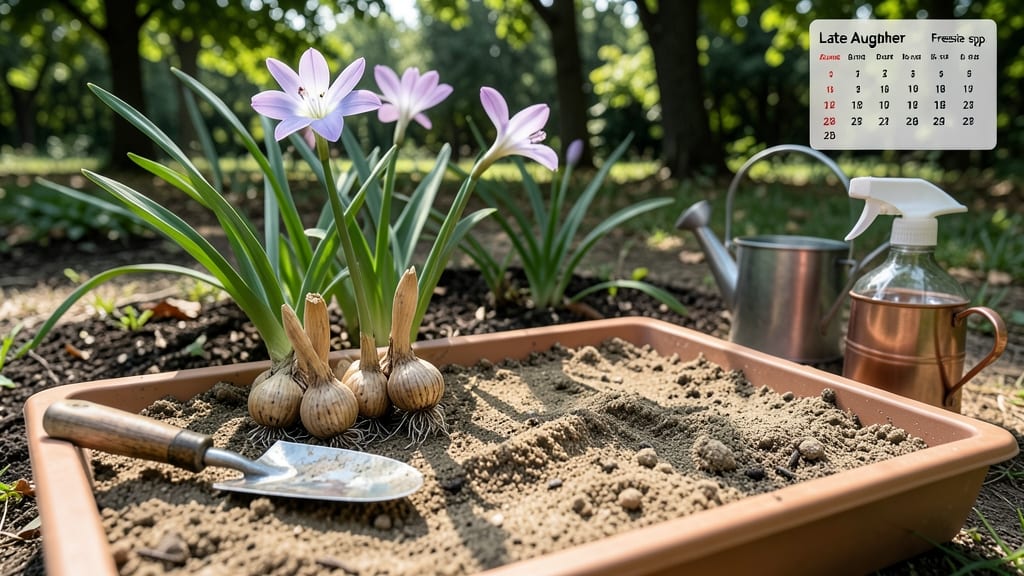
Planting freesia bulbs at the wrong time in Zone 5 can turn your dream spring garden into a winter disaster—especially when frost heaving threatens to push those delicate 🌸 bulbs right out of the soil.
The key to vibrant blooms lies in planting them at the perfect moment: not too early (when they might sprout prematurely) and not too late (when they won’t establish roots before winter).
Most gardeners in Zone 5 assume fall planting is a one-size-fits-all solution, but the 4-6 week window before the ground freezes is actually what separates success from failure. Too soon, and your freesias might bolt before winter; too late, and they’ll struggle to root before the cold sets in.
Let’s break down the exact timing—and why soil temperature matters more than you think.
You’ll also discover how to prepare your soil and bulbs for winter survival, including the right depth (3-4 inches) and mulching techniques that protect without suffocating.
Whether you’re a first-time planter or a seasoned gardener, these insights will help you avoid common mistakes that lead to weak stems or lost bulbs come spring.
Ready to plant with confidence? By the end, you’ll know exactly when to tuck those freesia bulbs into the ground so they’ll reward you with fragrant, show-stopping blooms next spring—without the guesswork. Let’s get started.

Optimal fall planting window for freesia bulbs in Zone 5
Freesia bulbs thrive in Zone 5 when planted during a precise 4-6 week window before the ground freezes. This timing ensures bulbs establish roots before winter while avoiding the risk of premature sprouting or frost damage.
For most of Zone 5, this means aiming for late August through mid-September—just as soil temperatures drop to 50-60°F.
Zone 5’s first frost date typically falls around October 1st, but microclimates can shift this by 1-2 weeks. For example, areas near large bodies of water may experience later frosts, while inland regions might freeze earlier. Always check your local USDA frost calendar to adjust timing accordingly.
Soil temperature is the critical factor for successful fall planting. Freesia bulbs need cool soil (below 60°F) to prevent early growth, but they must still have 4-6 weeks of warm root development before winter sets in. Use a soil thermometer to monitor conditions—plant when temps hover around 55°F.
If you’re in a warmer microclimate within Zone 5 (like near the Mississippi River Valley), you might extend planting into early October. Conversely, northern Zone 5 areas (e.g., Upstate New York or Wisconsin) should plant by mid-September to avoid early frosts.
| Zone 5 Region | Optimal Planting Window | Soil Temp Threshold | Key Adjustment |
|---|---|---|---|
| Northern Zone 5 (NY, WI) | Mid-August to early September | 50-55°F | Plant earlier to avoid early frosts |
| Central Zone 5 (IL, IN, OH) | Late August to mid-September | 55-60°F | Standard timing for most gardeners |
| Southern Zone 5 (MO, AR, TN) | Early September to early October | 60°F (cooler nights) | Extend window for later frosts |
Missed the fall window? Freesia bulbs can also be planted in early spring (March-April), but this delays blooming until late spring or summer. Spring planting is riskier in Zone 5 because bulbs may sprout too early before the last frost, leading to frost damage.
For container gardening, adjust your timing by 1-2 weeks earlier since pots cool faster. Place containers in a protected location (like a garage or unheated shed) if early frosts threaten. This gives bulbs extra time to root without exposing them to cold.
Pro tip: If your soil stays too warm past September, hold off planting until temperatures drop. Use a shade cloth over freshly planted bulbs if daytime temps spike above 70°F—this mimics cooler fall conditions and prevents premature growth.
Always plant freesia bulbs in well-draining soil to avoid rot. Amend heavy clay with compost or perlite to improve drainage. After planting, water deeply to settle the soil and encourage root contact.
🌸
Optimal fall planting window for freesia bulbs in Zone 5
In Zone 5, the perfect window to plant freesia bulbs is between late August and early September, when soil temperatures hover between 50-60°F. This timing ensures bulbs establish roots before winter while avoiding premature sprouting that could freeze.
The goal is to plant 4-6 weeks before the first hard frost—typically around October 1 in most of Zone 5.
Why this window? Freesia bulbs need time to root but can’t handle freezing ground. Planting too early (like mid-summer) risks sprouting before winter, while planting too late (October) leaves them vulnerable to frost heaving.
Check your local frost dates—some Zone 5 areas (like northern Illinois) freeze earlier than others (like northern Virginia).
Soil temperature is your best guide: Use a soil thermometer to confirm the ground is below 60°F but hasn’t frozen. If temps drop unexpectedly, cover bulbs with straw mulch to insulate them without suffocating roots.
| Factor | Zone 5 Specification | Why It Matters |
|---|---|---|
| Planting Month | Late August–Early September | Balances root growth and frost avoidance. |
| Soil Temp | 50–60°F | Prevents premature sprouting or freezing. |
| Frost Buffer | 4–6 weeks before first frost | Ensures root establishment before dormancy. |
| Microclimate Note | Adjust 1–2 weeks earlier in colder microclimates | Northern Zone 5 areas need earlier planting. |
If you’re in a warmer microclimate (like near a lake or urban heat island), you might push planting to early October. Conversely, in colder pockets, aim for mid-August. Always err on the earlier side—bulbs can handle cooler soil better than rushing roots before frost.
Pro tip: Chill freesia bulbs for 6–8 weeks at 40–50°F before planting to mimic winter dormancy. This trick mimics their natural cycle and boosts spring blooms. Store them in a mesh bag in your fridge’s crisper drawer until planting time.
Once planted, mark your calendar for spring emergence—freesias typically push through soil in April or May, depending on your last frost date. With the right timing, you’ll enjoy fragrant blooms from late spring to early summer, all without the heartache of winter losses.