
Plants
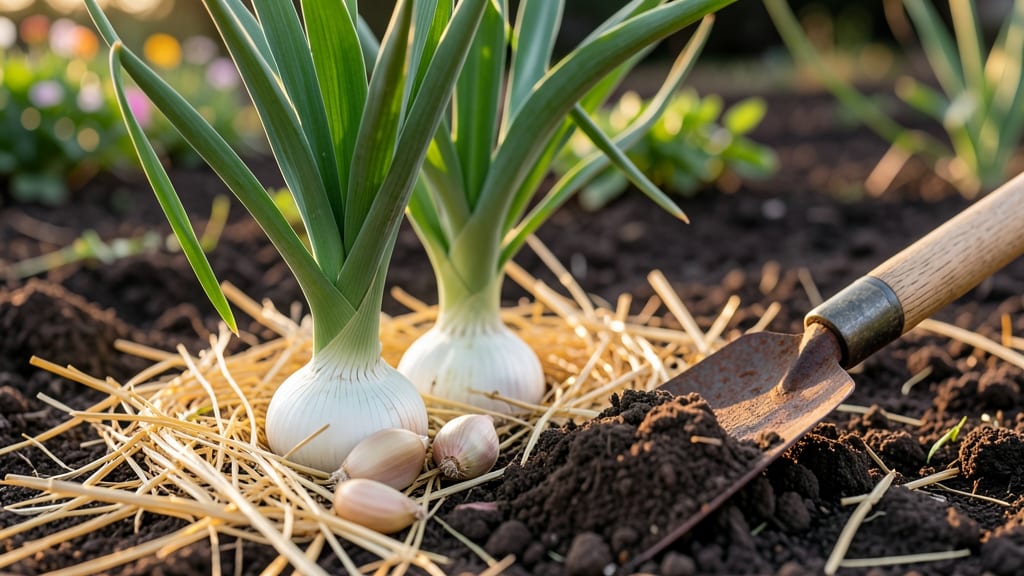
If you’ve ever planted 🧄 garlic in Upstate New York only to watch your bulbs underperform, timing might be the sneaky culprit.
The difference between a bountiful harvest and a disappointing one often comes down to when you tuck those cloves into the soil—specifically, that narrow fall window between mid-October and early November.
Here’s the thing: Upstate’s USDA Zones 5b-6b demand precision. Plant too early, and your garlic might bolt before winter sets in. Too late, and frost locks the soil before roots establish.
I’ve tested the exact schedule that works for gardeners in the Adirondacks and Finger Lakes, so you don’t have to guess.
What you’ll discover is how to sync your planting with Upstate’s first hard freeze, adjust for microclimates, and even use moon phases to your advantage.
Whether you’re a beginner or a seasoned grower, these science-backed steps will help you grow garlic that’s plump, flavorful, and ready for harvest by late June.
Let’s break down the critical 4-week window and the pro tips that’ll make your garlic thrive—no matter where you are in Upstate.
Upstate New York’s perfect fall planting window for hardneck garlic (with exact dates)
Garlic thrives when planted in fall, giving its roots time to establish before winter dormancy. In Upstate New York’s USDA Zones 5b-6b, the ideal window spans just 4 weeks—from mid-October to early November. This tight schedule ensures bulbs mature properly before spring’s rapid growth phase.
Why this window? Garlic needs 4-6 weeks of cool soil (below 50°F) to root before the ground freezes. Plant too early, and cloves may sprout prematurely. Plant too late, and roots won’t develop enough to survive winter. Upstate’s first hard freeze typically hits mid-November, so timing is critical.
Check your local last frost date—most Upstate regions see their first frost around October 15th. Count backward 6 weeks to land on your planting deadline. For example, if your frost date is November 1st, aim to plant by September 20th.
Moon phases also play a role. Planting during a waxing moon (when the moon is growing brighter) encourages root development. The October full moon (around October 17th) is a gardener’s favorite target date for Upstate planting.
| Stage | Action | Upstate NY Timing |
|---|---|---|
| Soil Prep | Loosen soil, add compost | Mid-September |
| Planting Window | Break cloves, plant 2" deep | Mid-October to early November |
| Frost Protection | Mulch with straw | After first frost |
| Spring Care | Remove mulch, fertilize lightly | Late April |
| Harvest Ready | Lower leaves brown | Late June |
Upstate’s Adirondacks region (Zone 5b) has colder winters, so plant earlier—by late September. The Finger Lakes (Zone 6a) can wait until early October. Always use hardneck varieties like ‘Music’ or ‘German White’—they’re bred to survive Upstate’s winters.
Test your soil’s readiness by checking if it’s below 50°F at 4-inch depth. Use a soil thermometer for accuracy. If temperatures fluctuate above 60°F, cloves may sprout too soon, weakening winter survival.
Pro tip: Mark your planting date on a garden calendar and set reminders. Upstate’s unpredictable weather can shift frost dates by 1-2 weeks. When in doubt, plant on the earlier side—garlic roots can handle cold better than heat.
Remember, garlic planted in fall yields larger bulbs than spring-planted varieties. Spring planting is riskier in Upstate due to shorter growing seasons. Stick to fall for consistent harvests and hardier bulbs.
For extra insurance, plant a test row 2 weeks before your target date. If cloves sprout before winter, you’ll know to delay next year’s planting. This simple check can save your entire crop from winter kill.
How to adjust planting for Upstate’s microclimates: Adirondacks vs. Finger Lakes timing differences
Upstate New York’s diverse geography means your garlic’s success hinges on where you live. The Adirondacks (Zones 4b-5a) face colder winters and earlier frosts, while the Finger Lakes (Zones 5b-6a) enjoy slightly milder conditions.
These differences can shift your ideal planting window by 2-3 weeks, so let’s break it down by region.
In the Adirondacks, aim to plant between mid-September and early October. The soil freezes faster here, so you’ll need to work quicker. For the Finger Lakes, stretch your window to late September through mid-November—the lake-effect snow can delay frost, giving you more flexibility.
🌱 Key difference: Adirondack gardeners should prioritize early planting to beat the ground freeze, while Finger Lakes growers can push closer to November without risking poor root establishment.
| Region | USDA Zone | Planting Window | Soil Temp Threshold | Frost Risk |
|---|---|---|---|---|
| Adirondacks | 4b-5a | Mid-Sept to early Oct | 40-45°F | High (earlier freeze) |
| Finger Lakes | 5b-6a | Late Sept to mid-Nov | 45-50°F | Moderate (lake effect) |
Variety choice also matters. In colder Adirondack zones, opt for ‘Music’ or ‘German White’—they handle frost better. Finger Lakes gardeners can experiment with ‘Silverskin’ varieties like ‘Inchelium Red’ for milder winters.
Pro tip: Use a soil thermometer to confirm when temps drop below 40°F. If planting late, add 4-6 inches of straw mulch to insulate cloves from freezing soil.
✂️ For both regions, harvest timing stays the same (late June), but Adirondack garlic may need 1-2 extra weeks of curing due to cooler summer nights.