
Planting
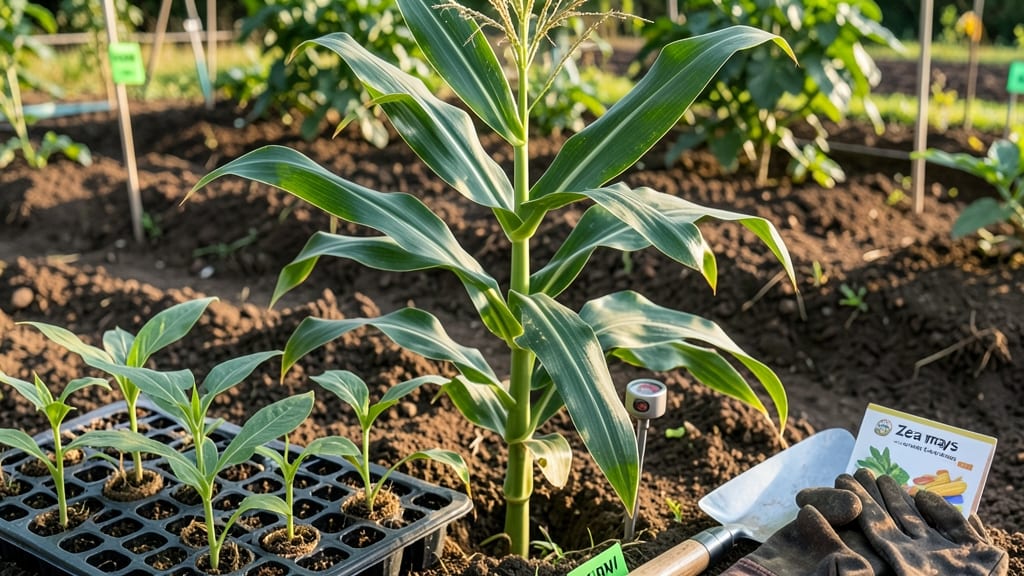
Timing when to plant a garden in Iowa isn’t just about following a calendar—it’s about beating those sneaky late frosts that can wipe out weeks of hard work. With Iowa’s USDA Zones 5a-5b, knowing when to plant means the difference between a bountiful harvest and a sad, frost-nipped garden.
Most gardeners in Iowa wait until after the average last frost date (April 15), but that’s just the starting point. Cool-season crops like peas and lettuce can handle light frosts, while tomatoes and peppers need warmer soil—soil temps matter just as much as air temps.
I’ll break down exactly when to plant each type of crop so you can avoid common mistakes.
Whether you’re a first-time gardener or a seasoned pro, getting the timing right means more time enjoying your harvest and less time pulling up frozen seedlings. Let’s dive into Iowa’s planting windows and how to make the most of your growing season.
From spinach in early spring to tomatoes in late summer, I’ll show you how to align your planting schedule with Iowa’s climate—so you can grow confidently, no matter what Mother Nature throws your way.
Iowa’s last frost dates by hardiness Zone: when to plant cool-season crops
Iowa spans USDA Hardiness Zones 5a-5b, where average last spring frost dates range from April 15 in southern Iowa to May 1 in northern regions. These dates determine when you can safely plant cool-season crops like spinach, peas, and lettuce that tolerate light frosts.
For example, Zone 5a (north) gardeners should wait until May 1, while Zone 5b (south) can start as early as April 15.
Cool-season crops thrive in 50-65°F soil temperatures and can handle light frost down to 25°F. This makes them ideal for Iowa’s early spring planting.
However, a late frost in May can wipe out seedlings, so always check Iowa State Extension’s frost predictions or use a frost watch app for real-time updates.
Here’s how to use Iowa’s frost zones to time your planting:
| Zone | Avg. Last Frost | Safe Planting Window | Cool-Season Crops |
|---|---|---|---|
| 5a (North) | May 1 | April 20 – May 10 | Peas, Spinach, Lettuce, Kale |
| 5b (South) | April 15 | April 1 – April 25 | Radishes, Broccoli, Cabbage, Onions |
*Check local microclimates—valleys frost later than hillsides!
For Zone 5a gardeners, start cool-season crops indoors in late March to transplant after the last frost. Use row covers to protect seedlings if nighttime temps dip below 32°F.
In Zone 5b, you can direct-sow hardy greens like spinach as early as late March, but cover them with lightweight fabric for extra protection.
Pro tip: Test your soil temperature with a soil thermometer—cool-season crops need at least 50°F soil to germinate. If your soil is colder, wait a few more days or use black plastic mulch to warm it faster.
This is especially critical for slow-to-germinate crops like cabbage, which can take 7-14 days to sprout.
Don’t forget about fall planting! Iowa’s first frost typically hits October 15, giving you time to sow kale, carrots, and radishes in late August. These crops mature quickly in Iowa’s cool autumn temperatures and can be harvested before winter sets in.
Use this 14-day rule for fall planting: Count back 14 days from your expected first frost date to determine when to sow. For example, if frost is predicted October 15, plant August 1 for a harvest before winter.
This works best for fast-maturing varieties like bush beans or turnips.
For perennial flowers and herbs, like asparagus or rhubarb, plant in early spring (April) when soil is workable but not soggy. These plants establish roots slowly and benefit from Iowa’s long growing season. Avoid planting in wet spring soil, which can lead to root rot.
Extend your growing season with season extenders like cold frames or low tunnels. These can push your last frost date back by 2-4 weeks, giving you time to grow extra-early tomatoes or peppers. Just
Best planting times for warm-season vegetables in Iowa: tomatoes, peppers, and more
Warm-season vegetables like tomatoes, peppers, and cucumbers need consistent warmth to thrive, making timing critical in Iowa’s USDA Zones 5a-5b.
These crops won’t tolerate frost, so waiting until after the last frost date (typically May 15) is essential—but soil temperature matters just as much as air temperature.
For tomatoes and peppers, soil should reach at least 60°F (15°C) before planting.
In Iowa, this usually happens by late April to early May in southern regions but may wait until mid-May in northern areas. Cucumbers and squash prefer slightly warmer soil, ideally 65°F (18°C), so hold off until mid-to-late May.
🌱
- 🌡️ Wait for soil warmth: Use a soil thermometer to confirm 60°F+ for tomatoes/peppers or 65°F+ for cucumbers/squash.
- 📅 Plant after last frost: Aim for May 15–30 in most of Iowa, but check local frost-free date forecasts.
- 🌱 Use row covers: Extend the season by 2–4 weeks with lightweight fabric for early starts.
- ☀️ Choose sunny spots: Warm-season crops need 6–8 hours of full sun daily.
- 💧 Water deeply: Keep soil consistently moist (1–2 inches per week) to prevent blossom-end rot in tomatoes.
If you’re eager to start earlier, consider starter plants from nurseries, which can be transplanted once soil warms. Peppers, in particular, benefit from a head start indoors 8–10 weeks before the last frost date.
For corn, a staple in Iowa gardens, wait until soil reaches 50°F (10°C) and all danger of frost has passed—usually late May.
For a second harvest, plan a fall planting of warm-season crops like beans or peppers in late July to early August. These can mature before the first frost (October 15) if given enough time. Use quick-maturing varieties (e.g., Early Girl tomatoes) to maximize your growing window.
🌿
Pro tip: Monitor Iowa State University Extension’s frost maps (available online) for real-time updates, as late frosts can still occur in May. With the right timing and a little patience, you’ll enjoy a bountiful harvest of sun-loving vegetables all summer long.