
Planting
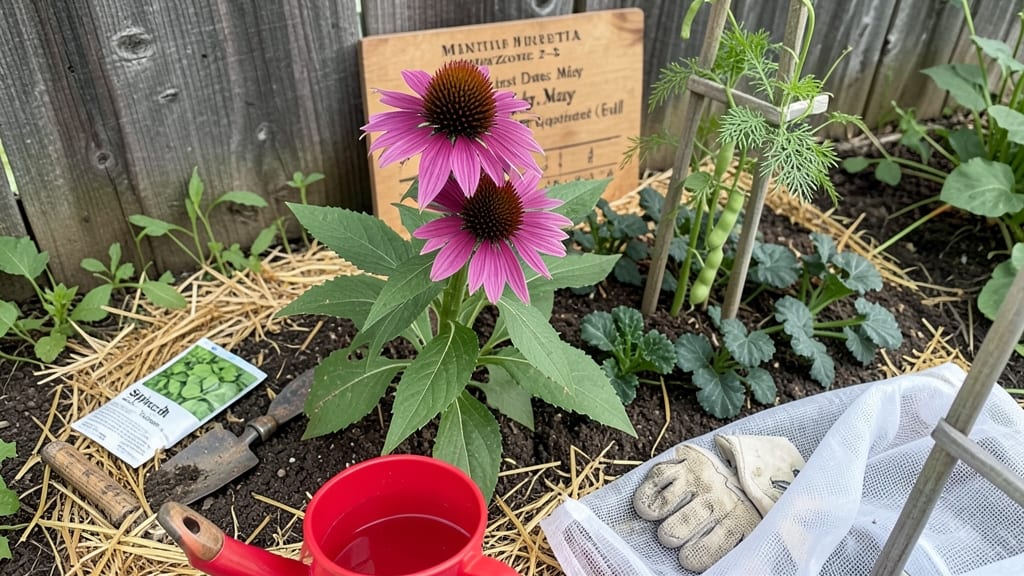
Timing your Minnesota garden planting window can mean the difference between a bountiful harvest and a sad pile of frost-nipped seedlings. With USDA zones 3a-5b and unpredictable frost dates, getting it right takes strategy—not just luck.
You’ve probably heard the rule: wait until after the last frost. But in Minnesota, that’s easier said than done. The average last frost date hovers around May 10, but northern zones can push that back weeks.
The key isn’t just guessing—it’s knowing when to plant based on your specific zone, crop type, and soil temperature.
Whether you’re dreaming of crisp fall lettuce or juicy summer tomatoes, this guide breaks down the exact planting windows for Minnesota’s most popular crops. We’ll cover everything from cool-season starts to late-summer succession plantings, so you can maximize your growing season without wasting time—or money—on failed attempts.
Ready to turn your garden into a high-yielding powerhouse? Let’s dive into the science (and shortcuts) that’ll help you plant with confidence, no matter where in the state you’re growing.
Minnesota’s frost-free dates by planting Zone (2024 guide)
Minnesota’s planting zones (3a-5b) create dramatic differences in frost dates—up to 4 weeks between northern and southern regions. In Zone 3a (northern MN), gardeners face an average last frost of May 25, while Zone 5a (southeast MN) sees frost-free conditions by May 5.
These dates determine when to start seeds indoors versus direct-sowing outdoors.
Cold-hardy crops like spinach and peas can handle light frosts, but tender plants like tomatoes and peppers need soil temperatures above 50°F. Using USDA zone maps alongside local Almanac frost records ensures you don’t miss the window.
For example, Zone 4a gardeners should wait until May 15 for warm-season crops.
Here’s a zone-by-zone breakdown of last frost dates, planting windows, and seed-starting timelines to help you plan:
| Zone | Avg. Last Frost | Start Seeds Indoors | Direct-Sow Outdoors | Key Crops |
|---|---|---|---|---|
| 3a (North) | May 25 | March 15 | June 1 | Peas, Kale, Potatoes |
| 4a (Central) | May 15 | March 1 | May 20 | Spinach, Beets, Lettuce |
| 4b (Northwest) | May 10 | February 28 | May 1 | Radishes, Carrots, Broccoli |
| 5a (Southeast) | May 5 | February 15 | April 25 | Tomatoes, Peppers, Cucumbers |
| 5b (Southwest) | April 25 | February 1 | April 15 | Squash, Corn, Melons |
🌱 Note: Adjust dates 1-2 weeks earlier for microclimates (e.g., urban heat islands).
For cold-hardy crops, like kale or spinach, you can direct-sow 2-3 weeks before the last frost. Meanwhile, warm-season crops (e.g., tomatoes, peppers) need soil temps above 60°F—wait until 2 weeks after your zone’s last frost date. Pro tip: Use a soil thermometer to confirm readiness.
Northern Minnesota’s shorter growing season (only 90-120 frost-free days) demands early starts. Begin tomato seeds indoors by March 1 in Zone 3a, while Zone 5b gardeners can wait until March 15. Succession planting every 2 weeks extends harvests—critical for lettuce or bush beans.
Don’t rely solely on averages! Check the MN State Climatology Office for 3-year trends in your area. For example, 2023’s late May frost in Zone 4a caught many off guard.
I always add a 2-week buffer for tender crops like eggplants, which thrive in Zone 5b but struggle in Zone 4a.
Fall planting is equally critical. In Zone 3a, sow garlic in October for next year’s harvest, while Zone 5b gardeners can plant cool-season greens until September 15. Use row covers to extend fall harvests by 3-4 weeks—a game-changer for kale and carrots.
Remember: Microclimates (e.g., south-facing walls, urban heat islands) can shift frost dates by 1-2 weeks. Test your soil’s warmth with a thermometer—most vegetables need 50°F+ soil, while peppers require 70°F+. Planting too early? Use frost cloths to protect
Best planting times for Minnesota’s top 10 vegetables and flowers
Minnesota’s short growing season demands precision when planting, but knowing the right planting windows for your top crops can transform your garden from a gamble to a guaranteed harvest. Whether you’re growing tomatoes that need warmth or kale that thrives in cool weather, timing is everything.
For warm-season crops like peppers and cucumbers, wait until after the last frost—typically May 10-20—but check your zone. Cool-season crops such as spinach and peas can handle frost, so plant them as early as March-April under row covers.
Perennials like asparagus and strawberries need a head start, so plant them in early spring or fall.
Here’s a quick guide to planting Minnesota’s most popular crops for maximum success, including succession planting tips to keep your harvests rolling all season.
🌱 Top 10 Minnesota Crops & Planting Windows
- 1. Tomatoes – Plant after last frost (May 10-20), transplant 6-8 weeks after seeds.
- 2. Peppers – Start indoors March-April, transplant after last frost (May 20-30).
- 3. Spinach – March-April (early spring) or August-September (fall).
- 4. Lettuce – March-April (spring) and August-September (fall).
- 5. Cucumbers – After last frost (May 15-30), transplant 1-2 weeks after seeds.
- 6. Kale – March-April (spring) or July-August (fall).
- 7. Zucchini – After last frost (May 15-30), transplant 2-3 weeks after seeds.
- 8. Strawberries – Early spring (April) or fall (September).
- 9. Marigolds – After last frost (May 10-20), transplant 4-6 weeks after seeds.
- 10. Asparagus – Early spring (April) or fall (September-October).
💡 Pro Tip: Use succession planting for quick growers like lettuce and spinach—sow every 2-3 weeks for continuous harvests.
For warm-loving plants like tomatoes and peppers, don’t rush—wait until soil temperatures hit 60°F+ to avoid stunted growth. Cool-season crops like kale and spinach, on the other hand, can handle light frosts, so plant them early or late in the season for a fall harvest.
If you’re in northern Minnesota (zones 3a-4a), add a 2-4 week buffer after the average last frost date. Southern zones (4b-5b) can plant slightly earlier, but always monitor soil temperatures with a probe—50°F+ is ideal for most veggies.
For flowers like marigolds, aim for full sun and plant after the last frost to deter pests naturally.
Remember, fall planting is your secret weapon in Minnesota. Crops like spinach and kale