
Plants
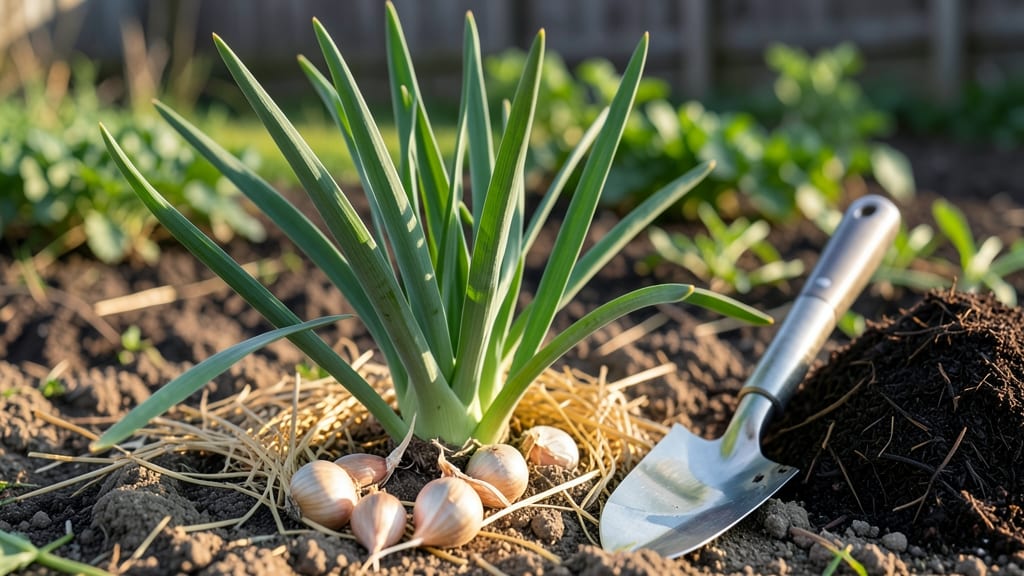
Timing your garlic planting in 6b can mean the difference between plump, flavorful bulbs and disappointing harvests.
In Zone 6b, where winters bring 300–600 chill hours, getting the window right is everything—plant too early, and your cloves might rot; too late, and you’ll miss the cold snap garlic craves to form proper bulbs.
Most gardeners in this zone swear by planting 🧄 between October and November, but the exact timing depends on your garlic variety. Hardneck types like Rocambole or Purple Stripe need those cold months to develop, while softnecks (less common here) are more forgiving.
I’ll break down the best dates for each, plus how to adjust if your winter turns unusually mild or harsh.
Here’s the game-changer: chill-hour matching. If your winter skips the usual freeze, you can trick your garlic into thinking it’s had enough cold with pre-chilling or mulching.
I’ll show you exactly how to fine-tune your approach so you’re not left with puny bulbs—or worse, garlic that bolts before it’s ready.
Ready to grow garlic that rivals store-bought? Let’s dive into the step-by-step timing and soil secrets that’ll have your harvest looking like a pro’s. Spoiler: It’s simpler than you think!
Zone 6B garlic planting timeline: chill-hour breakdown by variety
Garlic in Zone 6B thrives when planted during its chill-hour window—the period when temperatures stay below 40°F for 300–600 hours. This cold exposure triggers bulb formation, and missing it means smaller yields. The key is matching your garlic variety to your local climate’s chill hours.
Hardneck varieties like Rocambole and Purple Stripe dominate Zone 6B gardens because they require fewer chill hours than softnecks. For example, Purple Stripe needs just 300–400 hours of cold, while Porcelain demands up to 600 hours. Planting at the wrong time can turn your harvest into a disappointment.
Here’s how to align your planting with your garlic’s chill-hour needs for maximum bulb size:
For Rocambole and Purple Stripe, aim to plant by early November to ensure they get their required chill hours before the ground freezes. Porcelain, with its higher chill-hour demand, should go in by mid-November at the latest.
If you miss this window, your bulbs may never reach their full potential.
Use a soil thermometer to track temperatures—once nighttime lows consistently drop below 40°F, it’s time to plant. In Zone 6B, this typically happens in late October, but watch for early frosts.
If frost hits before planting, cover the soil with straw mulch to protect cloves until you can plant.
Pro tip: If your winter is unusually mild, pre-chill your cloves in the fridge for 4–6 weeks before planting in January. This mimics the missing cold period and can save your harvest.
Timing isn’t just about the calendar—it’s about matching your garlic’s genetic needs to your local climate. Get this right, and you’ll harvest plump, flavorful bulbs worthy of a chef’s kiss.
How to adjust planting dates for early or late Zone 6B winters
Zone 6B winters can be unpredictable—one year brings early freezes, and the next skips the cold entirely. If your winter was unusually mild, your garlic might not get enough chill hours, while a harsh freeze could lock the soil too early.
The good news? You can adjust planting dates and use simple tricks to compensate. Here’s how to fine-tune your approach for any Zone 6B winter.
First, track your local chill hours using a soil thermometer. Most Zone 6B gardeners hit 300–600 hours below 40°F between November and February. If your winter falls short, don’t panic—pre-chilling or mulching can bridge the gap.
For example, if your soil stays above 40°F for weeks, your Purple Stripe garlic might bolt before forming bulbs.
Garlic sprouts before January or soil stays above 40°F for >10 days at a stretch.
Store cloves in a refrigerator crisper drawer (35–40°F) for 4–6 weeks before planting in January.
Apply 4–6 inches of straw or leaves after planting to preserve soil moisture and delay warming.
If chill hours are insufficient, plant a second batch in early January (accept smaller bulbs).
For early freezes, plant as soon as the soil cools below 60°F—even in September if needed. Use black plastic mulch to warm the soil slightly and prevent early dormancy.
If frost hits before planting, cover the bed with straw mulch (6+ inches thick) to protect cloves until you can plant.
Microclimates matter in Zone 6B! A south-facing slope warms faster than a north-facing bed. Plant your Porcelain garlic in the cooler, shadier spots first, as it needs the most chill hours. Meanwhile, Purple Stripe can handle slightly warmer microclimates, making it ideal for sunnier areas.
Remember: January planting is a last-resort option. While it can work, your bulbs will be smaller. If you choose this route, prioritize Purple Stripe—it tolerates late planting better than other varieties. Pair this with pre-chilling and heavy mulch to maximize success.
Adjusting your planting dates isn’t just about the calendar—it’s about reading your climate**. With these tricks, you’ll turn even the trickiest Zone 6B winter into a garlic-growing goldmine. 🌱