
Plants
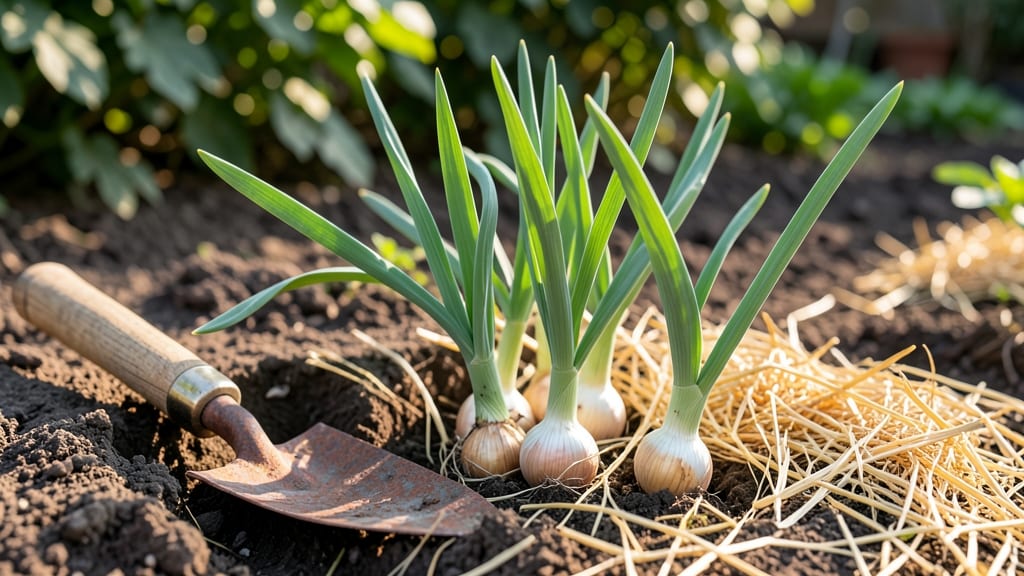
Planting garlic in Phoenix at the wrong time can turn your 🧄 winter harvest into a flop—but timing it just right means plump, flavorful bulbs by spring. The key isn’t just when to plant; it’s understanding how Phoenix’s 9b climate plays tricks on traditional schedules.
Most gardeners assume garlic needs cold dormancy, but Arizona’s mild winters throw a wrench in that plan. Between November and January, soil temps stay cool enough for roots to establish, while avoiding the scorching summer heat that stresses young plants.
Miss this window, and you risk bolting or stunted growth.
I’ll break down the exact 6-week planting window that works for hardneck varieties—the best choice for Phoenix—and how to prep your soil to beat the heat. No more guessing: just science-backed steps for a foolproof harvest.
Whether you’re a first-timer or a seasoned gardener, these tips will help you grow garlic that’s bigger, stronger, and ready to harvest by June. Let’s get started.
Phoenix garlic planting timeline: best fall months for hardneck varieties
Garlic thrives in Phoenix’s cool winter months, but timing is critical to avoid summer heat stress. The ideal planting window is late October through early December when soil temperatures drop below 70°F. This 6-week period ensures bulbs mature before Arizona’s relentless heat returns.
Hardneck varieties—like ‘German Red’ or ‘Music’—require 60–90 days of cool weather to form bulbs. Planting too early risks premature bolting (flowering), while late planting may result in small, underdeveloped bulbs. Phoenix’s USDA Zone 9b climate eliminates frost concerns but demands precise timing.
Soil temperature is your best guide: Aim for 60–65°F at planting depth (2–4 inches). Use a soil thermometer to confirm readiness—this is especially important in Phoenix’s microclimates, where urban heat islands can delay cooling.
For softneck varieties (like ‘Artichoke’), you have slightly more flexibility, but hardnecks—preferred for flavor—are far more climate-sensitive. Even a 10°F temperature swing can disrupt bulb formation.
🌱
If you miss the October–December window, consider spring planting (February) for softnecks, but hardnecks will struggle. Phoenix’s summer heat (90°F+) forces garlic into dormancy, halting bulb development. Even shade cloth won’t compensate for poor timing.
Pro tip: Mark your calendar for November 15th—this is the sweet spot for most Phoenix gardeners. By then, daytime highs drop to 75°F, and nights cool to 50°F, mimicking garlic’s native Mediterranean climate.
For container gardening, plant in late November to avoid overheating. Containers warm up faster than in-ground soil, accelerating growth and increasing bolting risks. Use black plastic mulch to stabilize soil temps if planting early.
Always test your soil’s pH (6.0–7.0) and drainage before planting. Phoenix’s alkaline soil can stunt growth—amend with compost or sulfur if needed. A soil test kit (available at local nurseries) is worth the investment.
🌿
Phoenix garlic planting timeline: best fall months for hardneck varieties
Phoenix’s 9b climate means traditional garlic planting advice doesn’t always apply—but hardneck varieties actually thrive here if planted at the right time. The ideal window is between late October and early December, when soil temps drop to 60-70°F and stay cool enough for root development.
This timing avoids two major pitfalls: planting too early (when summer heat lingers) or too late (when winter rains arrive). Hardneck garlic needs 6-8 weeks of cool soil before spring warmth kicks in—any shorter, and you’ll get weak bulbs or premature bolting.
Here’s how Phoenix’s unique conditions affect planting:
For Phoenix gardeners, November 1st is the absolute deadline for hardneck planting—after that, soil warmth accelerates growth and reduces bulb quality. If you miss this window, consider softneck varieties, which are more forgiving but produce smaller cloves.
Pro tip: Use a soil thermometer to confirm temps are below 70°F before planting. I’ve seen many gardeners overestimate Phoenix’s "cool" season—don’t let that be you!
Once planted, mulch heavily with straw or compost to maintain cool soil temps through winter. This simple step can mean the difference between plump bulbs and disappointing harvests.