
Plants
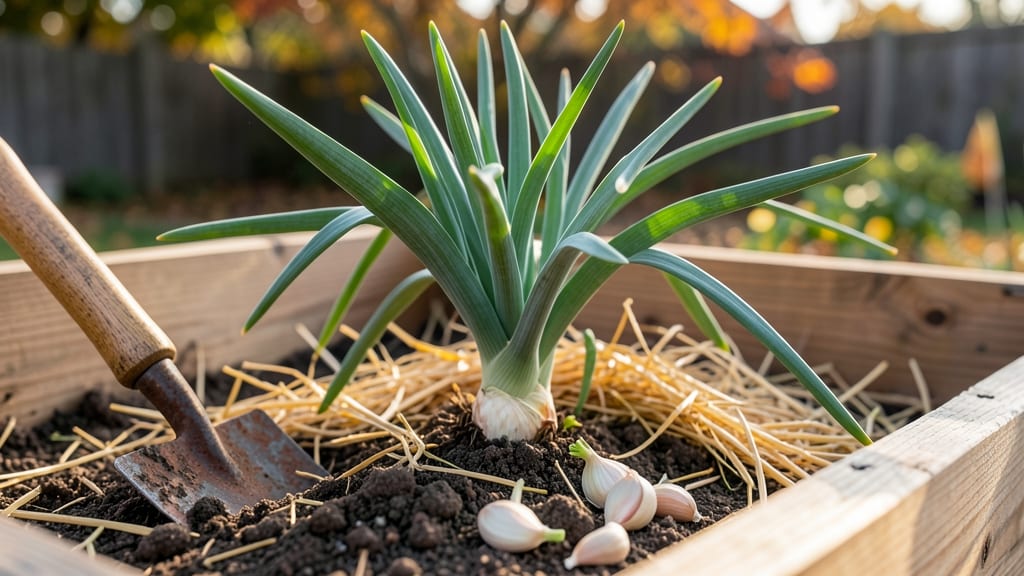
If you're growing 🧄 garlic in Zone 8a, timing your fall planting could make or break your harvest—plant too late, and you'll end up with small, weak bulbs instead of the plump, flavorful harvests you crave.
Most gardeners in Zone 8a know garlic thrives in cool weather, but the 4-6 week window before the ground freezes is critical. Miss it, and your cloves won't develop properly, leaving you disappointed next summer.
Let me show you exactly when to plant for maximum bulb size and how to adjust for your specific microclimate.
We'll break down the ideal planting dates in October and November, plus soil prep tips to ensure strong root growth. Whether you're a beginner or a seasoned gardener, these insights will help you avoid common mistakes and grow garlic that rivals store-bought—and often tastes better.
Ready to unlock the secret to growing bold, healthy garlic in Zone 8a? Let's dive into the exact steps you need to follow for a successful harvest next June or July.

Zone 8a garlic planting timeline: exact fall deadlines by month
In Zone 8a, garlic thrives when planted in the fall—specifically between mid-October and early November. This timing ensures cloves establish roots before winter dormancy, leading to large, flavorful bulbs by next summer.
The key is planting 4-6 weeks before the ground freezes, which typically falls around mid-December in Zone 8a.
Hardneck varieties (like Rocky Mountain or Silverskin) prefer cooler winters, while softneck types (such as Artichoke) tolerate slightly warmer conditions. Both varieties benefit from the same fall planting window, but hardnecks often produce larger bulbs in Zone 8a’s mild climate.
For precise timing, monitor soil temperatures.
Aim to plant when soil temps drop to 50-60°F—this usually aligns with late October in most of Zone 8a. If you’re in a cooler microclimate (e.g., higher elevation), plant earlier; if you’re in a warmer microclimate (e.g., near the coast), extend the window to early November.
If you miss the fall window, you can try a spring planting in Zone 8a, but results are inconsistent. Spring-planted garlic often produces smaller bulbs because it lacks the cold stratification period needed for proper bulb formation.
For best results, stick to fall planting and adjust your schedule based on local frost dates.
Pro tip: Use a soil thermometer to track temps. Plant when readings consistently stay below 60°F at night. This ensures cloves won’t sprout prematurely, which weakens root growth.
In Zone 8a, this usually happens by late October, but always verify with your local Cooperative Extension Service for hyper-local advice.
Once planted, mulch with 2-3 inches of straw or leaves to insulate cloves during winter. This protects them from freeze-thaw cycles and keeps soil temps stable. Remove mulch in early spring (around February) to allow shoots to emerge.
Hardneck varieties like German White or Purple Stripe are ideal for Zone 8a because they thrive in cooler winters and produce larger bulbs. Softnecks, such as California Early, are more forgiving but may struggle if planted too late. Choose based on your winter severity and desired bulb size.
Remember: The goal is to plant garlic early enough for roots to establish but late enough to avoid premature sprouting. In Zone 8a, this balance is mid-October to early November—don’t wait until December, or you’ll risk weak bulbs.
For a foolproof harvest, mark your calendar for October 15th as your target planting date. Adjust 1-2 weeks earlier or later based on your microclimate, and you’ll be well on your way to growing homegrown garlic that rivals anything you’ve bought at the store.
How to prepare your soil for garlic in Zone 8a’s mild winter
Zone 8a’s mild winters create unique challenges for garlic growers—soil that’s too wet or warm can stunt root growth, while poor drainage leads to rotten cloves.
The key is preparing your soil 6-8 weeks before planting (late August to early September) to ensure cloves establish strong roots before winter dormancy. Start by testing your soil pH—garlic thrives in 6.0-7.0, so amend with lime if your soil is too acidic or sulfur if it’s alkaline.
In Zone 8a, well-draining soil is non-negotiable. Garlic hates soggy conditions, which are common in the region’s winter rains. If your soil feels compacted, mix in 2-3 inches of compost or aged manure and top with 1 inch of coarse sand or perlite to improve aeration.
Raised beds are ideal for heavier clay soils, as they prevent waterlogging while retaining moisture during dry spells.
Garlic cloves need loose, crumbly soil to send out roots freely. Before planting, loosen the top 6-8 inches of soil with a broadfork or tiller, breaking up any compacted layers. Add organic matter like leaf mold or well-rotted compost to improve structure.
In Zone 8a, where winters are mild but wet, incorporate 10-20% sand if your soil is heavy clay to prevent waterlogging.
Don’t forget to remove weeds and debris—garlic competes poorly with invasive plants. Solarize your bed in late summer by covering it with clear plastic for 4-6 weeks to kill weeds and pests naturally. This step is especially critical in Zone 8a, where weeds thrive year-round due to mild winters.
For extra insurance against winter wetness, create mound beds 6-8 inches high. This elevates cloves above potential floodwaters while still allowing roots to access moisture. In Zone 8a, where December rains are common, mounds prevent cloves from rotting before they establish.
Space your mounds 12-18 inches apart to allow airflow and reduce disease risk.
Finally, fertilize lightly before planting. Work in 1/2 cup of 10-10-10 fertilizer per 10 sq ft or use composted chicken manure for a natural boost. Avoid high-nitrogen amendments, which encourage leafy growth at the expense of bulb development.
In Zone 8a, where winters are mild but unpredictable, this balanced approach ensures cloves focus on root and bulb formation rather than foliage.
With your soil prepped, you’re ready to plant garlic in mid-October—just in time for Zone 8a’s cooler temperatures. Mulch with straw or leaves after planting to insulate cloves and protect them from freeze-thaw cycles. Your careful prep will pay off with bold, flavorful bulbs by next summer.