
Plants
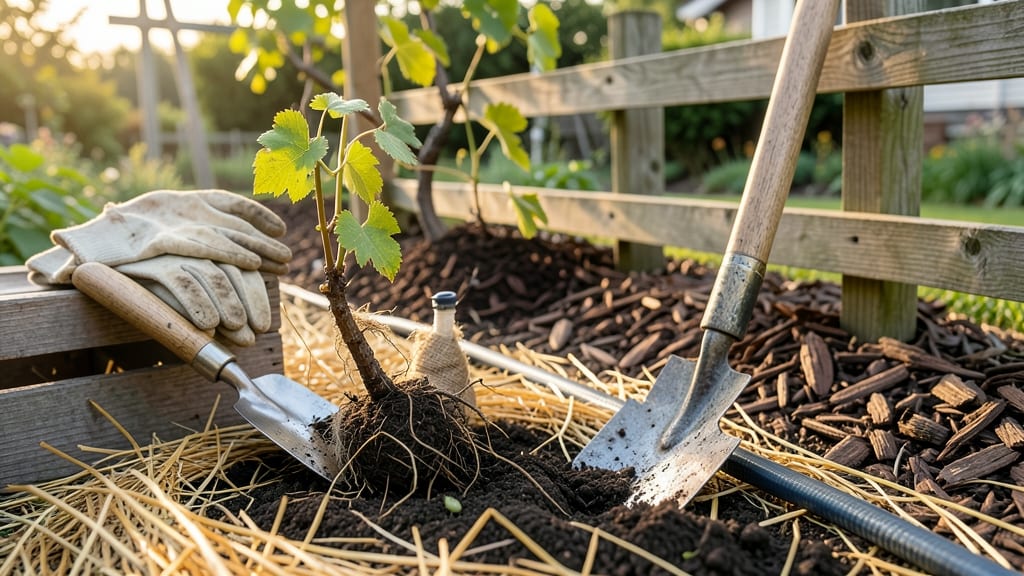
Planting grapes in Arizona might seem tricky with its brutal summers, but the right timing can turn your desert soil into prime vineyard real estate.
The key window—November through February—lets young vines establish roots before the heat peaks, setting you up for heat-resistant varieties like Flame Seedless or Crimson Seedless.
Why does this matter? Arizona’s 9b climate zone means frost is rare, but planting too early or late risks heat stress or poor fruit set. I’ve seen firsthand how vines planted outside this window struggle to recover, while those timed perfectly thrive even in 110°F+ temperatures.
You don’t need a green thumb—just the right prep. We’ll cover soil secrets, watering hacks, and shade strategies to keep your 🍇 vines happy through Arizona’s monsoon chaos. Let’s dive into the exact steps that’ll have you harvesting plump grapes by summer.
From choosing drought-proof varieties to avoiding common pitfalls, this guide cuts through the guesswork. Whether you’re a backyard gardener or dreaming of a small vineyard, you’ll leave knowing exactly when to plant and how to protect your investment from Arizona’s extremes.
Best months to plant grapes in Arizona’s climate zones
Arizona’s diverse climate zones—from the Low Desert in Phoenix to the High Desert in Flagstaff—create wildly different planting windows for grapes. The key is avoiding extreme summer heat and late spring frosts, which can stress young vines.
Most Arizona gardeners plant grapes between November and February, when soil temps stay cool and rainfall is more predictable.
In the Low Desert (Zones 9b-11), where temps rarely drop below 50°F (10°C), you can plant as late as February. However, the High Desert (Zones 6b-8a) demands earlier planting—October to November—to avoid January frosts that can kill tender roots.
Transition zones (like Tucson) offer a 3-month window (October–December), giving you flexibility.
Timing isn’t just about frost—it’s also about soil moisture. Arizona’s monsoon season (July–September) can leave soils waterlogged, while winter’s dry air risks dehydration. Planting in cool, moist winter months gives vines a head start before the 100°F+ summers arrive.
For best results, aim for 60–70°F soil temps at planting time.
🌱
If you miss the ideal window, don’t panic—March plantings can work in the Low Desert, but young vines will struggle with April heatwaves. For container-grown grapes, extend your window slightly by planting in shaded areas or using drip irrigation to regulate soil moisture.
Just remember: root establishment is critical before summer arrives.
Pro tip: Check your local Cooperative Extension Service for microclimate alerts. For example, Phoenix’s urban heat islands can push temps 10°F higher than rural areas, delaying planting by 2–3 weeks. Adjust your schedule accordingly!
For bare-root vines, plant as soon as soil is workable (usually mid-November in most zones). Potted grapes can go in slightly later, but avoid planting after March—the 105°F+ days will shock new roots.
If you’re in doubt, err on the earlier side; grapes recover better from cool delays than from summer heat stress.
💧
Once planted, mulch heavily (4–6 inches of straw or wood chips) to retain moisture and regulate soil temperature. In the Low Desert, use shade cloth (30–50%) during June–August to protect young vines.
High Desert growers should focus on frost cloth for December–February protection. Both strategies buy you 2–4 extra weeks of growing time.
Finally, monitor soil moisture closely. Arizona’s caliche layer (hardpan) can block roots, so amend with compost and gypsum before planting. Test your soil’s pH (6.0–7.0 ideal) and drainage—grapes hate soggy roots. With the right timing and prep, your vines will thrive despite the desert heat!
Best months to plant grapes in Arizona’s climate zones
Arizona’s climate varies dramatically from the Low Desert (Phoenix, Tucson) to the High Desert (Flagstaff, Prescott), making planting timing critical. The ideal window—November through February—aligns with cooler temperatures and minimal frost risk, giving young vines time to establish roots before summer’s 110°F+ heat.
In the Low Desert, where frost is nearly nonexistent, you can push planting into early March, but High Desert areas (USDA Zone 7) should aim for October to November to avoid late frosts.
Why this timing? Grapes are dormant in winter, so planting during this period minimizes stress. Bare-root vines planted in December or January have a head start on root growth before Arizona’s monsoon season begins in July.
I’ve seen vines planted outside this window struggle with heat shock or poor fruit set, so sticking to this schedule is non-negotiable for success.
Here’s how Arizona’s three main climate zones break down for grape planting:
| Zone | Best Planting Months | Key Considerations | Heat Tolerance Threshold |
|---|---|---|---|
| Low Desert (Phoenix, Tucson) | November–February (or early March) | No frost risk; focus on soil prep and irrigation. | 105°F+ (use shade cloth for young vines) |
| Transition Zone (Mesa, Sedona) | October–January | Possible light frosts; plant after first frost. | 100°F+ (choose heat-resistant varieties) |
| High Desert (Flagstaff, Prescott) | October–November | Higher elevation = cooler temps; avoid late frosts. | 95°F+ (protect vines with mulch) |
Arizona’s USDA Zone 9b means frost is rare, but microclimates matter. For example, Flagstaff’s High Desert can drop below freezing in January, while Phoenix’s Low Desert rarely sees frost.
If you’re in a transitional area like Sedona, monitor local frost dates and plant after the first frost to avoid root damage. I recommend checking your local cooperative extension office for precise frost data—it’s saved me from costly mistakes.
Once you’ve nailed the planting window, the next critical step is choosing the right grape variety. Heat-tolerant types like Flame Seedless or Crimson Seedless thrive in Arizona’s summers, while cooler-climate varieties like Pinot Noir will struggle.
We’ll dive deeper into the best varieties for your zone in the next section, but for now, focus on planting during those cooler months to set your vines up for success.
Pro tip: If you’re planting in containers, extend your window slightly into March—potted vines warm up faster, so you’ll need to monitor soil moisture closely. Just remember, heat stress is your biggest enemy, so prioritize shade and deep watering once the temps rise.