
Plants
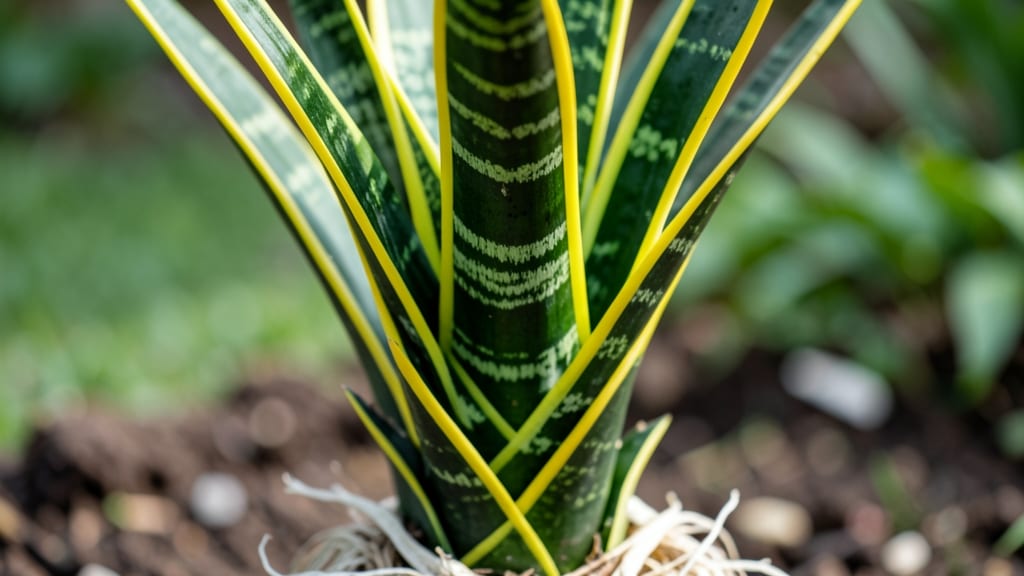
If you're wondering "how much light does a snake plant require", the answer might surprise you—this resilient 🌱 thrives in conditions most plants would struggle with, from dim corners to bright indirect sunlight.
Unlike fussy houseplants that demand perfect lighting, snake plants adapt to your space, making them ideal for beginners or busy plant parents.
The key to keeping your snake plant happy isn't complicated: it prefers bright indirect light but can handle low-light situations with ease. That means you don't need a sunroom to grow one—even a north-facing window or office with fluorescent lighting works.
The trick is avoiding direct sunburn, which can scorch those striking variegated leaves.
But here's where many gardeners go wrong: thinking "more light is always better." Too much direct sunlight turns leaves yellow or crispy, while too little causes leggy, stretched growth. I'll show you exactly how to spot these signs and adjust your plant's placement for optimal health—no guesswork required.
Whether you're dealing with a dim bathroom corner or a sun-drenched living room, this guide breaks down the perfect lighting setup for your snake plant. Let's get your 🌱 looking its best with minimal effort!

Snake plant light requirements: the ideal range for healthy growth
If you’ve ever wondered, "how much light does a snake plant require," you’re not alone. This iconic houseplant is famous for its resilience, but even snake plants (Sansevieria trifasciata) have their limits. The good news? They’re far more flexible than most people realize.
Unlike sun-loving succulents, snake plants thrive in low to bright indirect light, making them perfect for nearly any indoor space. But understanding the ideal light spectrum and placement tips will help you avoid common pitfalls like leggy growth or crispy leaf tips.
Snake plants are masters of adaptability, but their growth patterns change dramatically based on light exposure. In low light (100–500 foot-candles), they grow slower and develop shorter, bushier leaves. Move them to bright indirect light (500–1,000 foot-candles), and you’ll see taller, straighter leaves with deeper variegation.
Surprisingly, they can even tolerate direct morning sun for a few hours, though afternoon sun may scorch their leaves. The key is finding that sweet spot where your plant stays happy without stress.
One of the biggest misconceptions about snake plants is that they love direct sunlight all day. While they can handle some sun, too much—especially hot afternoon rays—will cause brown leaf tips and sunburn.
On the flip side, placing them in a completely dark corner will stunt their growth and weaken their structure. The goal is to mimic their natural habitat in West African savannas, where they experience dappled sunlight under trees. Recreating this balance indoors is easier than you think!
| Light Level | Foot-Candles | Growth Pattern | Best Placement |
|---|---|---|---|
| Low Light | 100–500 | Slow, bushy, compact | North-facing windows, offices, hallways |
| Medium Light | 500–1,000 | Moderate, upright, variegated | East/west windows, 2–3 ft from south window |
| Bright Indirect | 1,000–2,000 | Fast, tall, vibrant | Sheer curtain-filtered south windows |
| Direct Sun (Limited) | 2,000+ (morning only) | Risk of burn; slower growth | Outdoor shade or brief morning sun |
To determine the best spot for your snake plant, start by observing your home’s natural light patterns. North-facing windows provide the gentlest, most consistent light, ideal for snake plants. If you only have a south-facing window, place your plant 3–6 feet away to avoid direct rays.
East-facing windows offer morning sun, which is safer than afternoon heat, while west-facing windows can be too intense unless filtered. Pro tip: Rotate your plant quarter-turns every 2–3 months to ensure even growth and prevent leaning toward the light source.
Light intensity also affects how often you should water your snake plant. In low-light conditions, growth slows, so you can water every 3–4 weeks. In bright indirect light, the plant grows faster and uses more water, so check soil moisture every 10–14 days.
Overwatering in bright light is a common mistake—always let the top 2–3 inches of soil dry out before watering again. This simple adjustment can prevent root rot and extend your plant’s lifespan.
If you’re still unsure about your space, try the "finger test": Place your hand near your snake plant’s leaves. If the light feels cool and diffused, it’s likely low to medium light. If it feels warm and intense, your plant may be getting too much direct sun.
Another trick is to use a light meter app (many are free) to measure foot-candles in potential spots. Aim for 500–1,000 foot-candles for optimal health. Remember, snake plants are forgiving, but they’ll always grow better when you meet their light needs halfway.
Seasonal changes also play a role in your snake plant’s light requirements. During winter months, daylight is shorter and weaker, so supplement with a grow light if natural light drops below 300 foot-candles.
In summer, longer days mean more light exposure—watch for signs of stress like yellowing leaves or crispy edges, which signal too much sun. Adjust placement as needed, and don’t forget that artificial lighting (like LED grow bulbs) can bridge gaps in dim spaces.
A little extra light in winter keeps your snake plant thriving year-round.
Finally, let’s debunk a common myth: "Snake plants love dark corners". While they tolerate low light, they won’t thrive in complete darkness. Without any light, their leaves will stretch and weaken, a condition called "etiolation".
This isn’t just unsightly—it makes your plant more susceptible to pests and disease. The solution? Even in low-light rooms, place
Signs your snake plant isn’t getting enough (or too much) light
If your snake plant is sending distress signals, it’s often a light-related issue. Yellowing leaves or brown tips usually mean too much direct sun, while stretched, leggy growth (called etiolation) signals insufficient light. These visual cues help you diagnose the problem quickly and adjust placement before damage becomes permanent.
Start by examining the leaf color. Healthy snake plant leaves should be vibrant green with sharp edges. If you notice pale or yellow patches, especially on the upper leaves, your plant is likely getting too much direct sunlight.
Move it away from south-facing windows or use a sheer curtain to diffuse harsh rays.
On the flip side, if your plant’s leaves are longer than usual with spaces between them, it’s stretching toward light sources. This happens when placed in dim corners or under artificial lights with poor spectrum quality. Rotate your plant occasionally to encourage even growth and expose all sides to light.
Another red flag is crispy, brown edges—a classic sign of sunburn. This occurs when leaves receive intense afternoon sun, especially in summer. If you see this, relocate your snake plant to a spot with filtered light or move it a few feet back from the window.
🌱 Pro Tip: Check the soil before diagnosing. Overwatering can mimic light issues, so ensure the soil is dry to the touch before assuming it’s a lighting problem.
⚠️ Warning: Common Light Mistakes
- Too much sun: Leaves turn yellow/brown, especially tips.
- Too little light: Leaves stretch and grow pale.
- Fluorescent lighting only: Causes weak, leggy growth.
Act fast! Light-related stress weakens your plant’s defenses, making it more susceptible to pests and disease.
For variegated snake plants (like the 'Futura Superba'), light issues are even more noticeable. The white or yellow stripes will fade if the plant isn’t getting enough light, while too much sun can cause those variegated areas to bleach out or turn brown.
These plants need a balance of bright indirect light to maintain their striking patterns.
If you’ve ruled out watering issues and your plant still looks unhealthy, consider supplementing with a grow light. LED grow lights with a full spectrum (especially red and blue wavelengths) can mimic natural light and help your snake plant thrive in low-light spaces.
Just 4-6 hours of grow light daily can make a dramatic difference!