
Plants
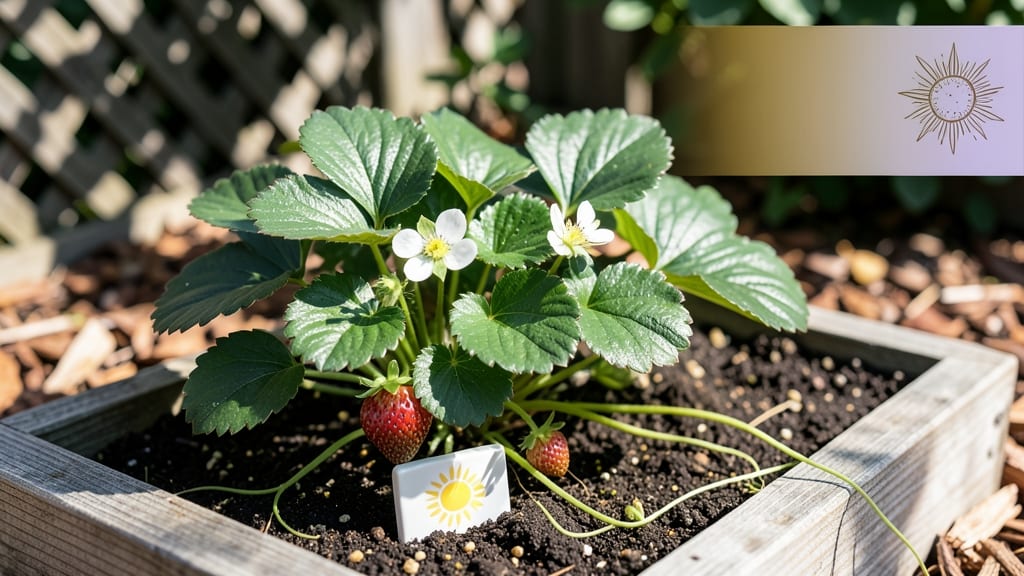
If you're wondering "how much light does a strawberry plant need", here's the truth: these sweet 🍓 plants demand plenty of sunshine to thrive. Without enough light, your strawberries might stay small, taste bland, or worse—fail to ripen at all.
Most strawberries crave 6 to 8 hours of direct sunlight daily, especially in zones like 6a where spring growing seasons are short. Think of it like a golden rule—more sun equals juicier, sweeter berries.
But don’t panic if your garden isn’t a sunbathing paradise; we’ll show you how to work with what you’ve got.
Whether you're dealing with leggy plants stretching for light or berries that just won’t turn red, we’ve got the fixes. From adjusting planting spots to using shade cloth for delicate varieties, you’ll learn how to give your strawberries the perfect light balance—no green thumb required.
Ready to turn your patch into a berry bonanza? Let’s break down exactly how to meet your strawberries’ sunlight needs and troubleshoot common light-related issues. Your first harvest could be sweeter than you think!

Optimal sunlight hours for strawberry plants: the exact requirements
Strawberries thrive under the sun, but not all varieties demand the same amount of light. June-bearing types need the most, while everbearing and day-neutral varieties are slightly more adaptable. The key is 6+ hours of direct sunlight daily—any less, and you’ll struggle with weak growth or poor fruit quality.
Let’s break down the exact needs for each type and how to measure sunlight in your garden.
First, understand that full sun (6+ hours) is ideal for optimal fruit production. This means placing your strawberries in the sunniest spot possible, like a south-facing garden bed or raised planter.
If your yard gets partial shade (3-6 hours), you’ll still get berries, but they may be smaller or less flavorful. Less than 3 hours of light? That’s a recipe for disappointment.
Here’s how to measure sunlight in your garden: Use a sunlight tracker or observe your space for a week. Mark the areas with morning sun (6 AM–12 PM), afternoon sun (12 PM–6 PM), or full-day sun.
Strawberries prefer afternoon sun because it prevents morning dew from lingering, reducing fungal risks like gray mold.
Now, let’s dive into the specifics.
Not all strawberries are created equal—June-bearing varieties (like 'Chandler' or 'Jewel') demand full sun for the best harvest. Everbearing types (like 'Seascape') can tolerate partial shade but still need at least 4-5 hours of direct light. Day-neutral varieties (like 'Albion') are the most flexible, thriving in 4-6 hours of sun.
Strawberry Sunlight Requirements by Variety
| Variety Type | Minimum Sunlight | Ideal Sunlight | Notes |
|---|---|---|---|
| June-Bearing | 6+ hours | Full sun (8+ hours) | Best for large, sweet berries |
| Everbearing | 4-5 hours | 6+ hours | Produces fruit in spring and fall |
| Day-Neutral | 4-5 hours | 6+ hours | Continuous harvest all season |
If your garden only gets 3-4 hours of sun, don’t despair. You can still grow strawberries by choosing shade-tolerant varieties like 'Ozark Beauty' or 'Fern' and supplementing with reflective surfaces (like white mulch or a mirror) to bounce extra light onto the plants.
Just avoid deep shade—less than 3 hours will stunt growth and reduce fruit size dramatically.
Pro tip: Rotate your plants every few weeks if your garden has shifting sunlight patterns. This ensures all sides of the plant get equal exposure, leading to even growth and higher yields.
For container growers, place pots on a wheelbarrow or rotating tray to adjust their position as the sun moves across the sky.
One common mistake is assuming morning sun alone is enough. While morning light helps, strawberries need afternoon sun to ripen fruit properly. If your yard is shaded in the afternoon (like under a tree), consider pruning nearby branches or relocating your plants to a sunnier spot.
Even a 2-hour difference in sunlight can impact flavor and size.
For container gardening, place pots near a south-facing window or on a balcony with unobstructed sunlight. If indoor light is insufficient, invest in a grow light (LED or fluorescent) for 12-14 hours daily
Just remember: grow lights should be 6-12 inches above plants and used in a 16/8 light-dark cycle to mimic natural conditions. Finally, monitor your strawberries throughout the season. If leaves turn yellow or purple, it’s a sign of light stress or nutrient deficiency. Adjust their position or add a balanced fertilizer (like 10-10-10) to support growth. With the right light, your strawberries will reward you with juicy, sweet berries all season long! 🌱
Signs your strawberry plants aren’t getting enough light (and how to fix it)
If your strawberry plants look sad and stretchy, they’re probably begging for more sunlight. Without enough light, strawberries produce small, pale berries—or worse, none at all.
The first sign is leggy growth, where stems stretch thin and weak, reaching for the sky like they’re trying to hug the clouds.
Another red flag? Pale or yellowing leaves that look more like sad lettuce than healthy foliage. Even worse, your berries might stay green forever or turn red but taste bland and mealy.
These are all classic symptoms of light deficiency, and they’re your garden’s way of saying, “Help us, we need more sun!”
🚨 Here’s the hard truth: Strawberries need 6-8 hours of direct sunlight daily to produce sweet, flavorful fruit. If your plants are getting less than 4 hours, they’re basically living in a dimly lit office—unhappy and unproductive.
🚨 Warning: Light Deficiency Alert!
Leggy stems = Stretching for light
Pale berries = Poor flavor and sugar development
Small leaves = Weak growth and low energy
No fruit = Plant prioritizes survival over berries
Don’t despair—fixing light issues is easier than you think. Start by relocating your plants to a sunnier spot, like near a south-facing fence or raised bed. If your garden is permanently shady, consider shade-tolerant varieties like Albion or Seascape, which handle 4-6 hours of light better than most.
For indoor growers, a grow light can work wonders. Place it 6-12 inches above your plants and give them 12-16 hours of light daily.
Just don’t forget to rotate them every few days so they don’t grow lopsided—think of it like giving your strawberries a mini vacation from the shade!
Finally, if your strawberries are already planted in a shady spot, try pruning nearby trees or shrubs to let more sunlight filter through. Even a few extra hours can make a huge difference in fruit quality. And remember: healthy leaves = happy berries, so don’t skimp on the sun!