
How To
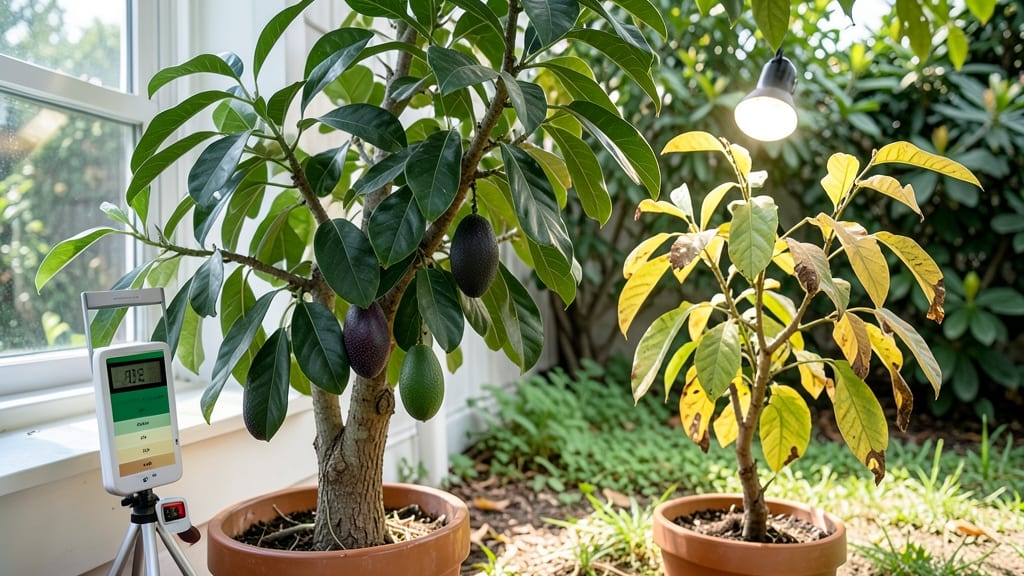
If you’re wondering how much light does an avocado plant need, the answer might be simpler than you think—it’s all about finding the right balance. Too little, and your plant stretches toward the window like a sleepy cat; too much, and those lush leaves turn crispy at the edges.
Getting the balance right is the key to keeping your avocado thriving, whether you’re growing it indoors or outdoors in USDA Zone 6a.
Avocado plants are sun-worshippers, but they’re not fans of harsh, direct rays—especially during those spring months when growth is just getting started. The ideal setup? Bright, indirect light that mimics dappled sunlight filtering through trees.
Think of it like giving your plant a cozy spot near a south-facing window where it can soak up 6+ hours of gentle glow without burning.
Here’s the game-changer: seedlings and mature plants have different light needs, and knowing how to adjust can save you from wasted effort. A leggy, weak plant? That’s a cry for more light.
Brown, crispy leaves? Time to move it back a bit. I’ll walk you through exactly how to spot these signs and tweak your setup—no guesswork, just results.
Ready to transform your avocado plant from a struggling underachiever into a lush, leafy superstar? Let’s dive into the bright indirect sun secrets that’ll have your plant thriving in no time.

Ideal light requirements for avocado plant growth: sun vs. shade balance
Avocado plants (Persea americana) thrive in bright indirect sunlight, but their light needs change dramatically from seedlings to mature trees. As a tropical native, they crave 6-8 hours of sunlight daily—but direct afternoon sun can scorch delicate leaves.
I’ve learned this the hard way: my first avocado plant turned crispy after a summer of unfiltered afternoon rays!
Outdoors, position your avocado tree in a south-facing location where it gets morning sun and afternoon shade. In containers, rotate the pot every few weeks to ensure even light exposure. Young plants are especially sensitive, so filter sunlight through sheer curtains if you notice leaf burn.
Bright indirect light is the sweet spot for indoor avocado plants. A spot near an east- or west-facing window works best, while north-facing windows often provide too little light for long-term health. I’ve seen plants stretch toward windows in search of light, a classic sign of light deficiency called etiolation.
Seasonal adjustments are crucial. During spring and summer, avocado plants can handle more direct sun, but I always gradually acclimate them by moving containers outdoors. In fall and winter, reduce exposure to prevent stress—especially indoors where light levels drop.
My plant’s leaves turn yellow every December until I supplement with grow lights.
Watch for these light deficiency symptoms: new leaves appear smaller than mature ones, stems grow long and weak, and leaves develop yellow patches between veins. These are your plant’s SOS signals!
Over-exposure shows as brown, crispy leaf edges—a sure sign of sunburn. I once mistook this for underwatering until I moved my plant to a shadier spot.
Avocado trees need 12-14 hours of light daily for optimal photosynthesis, but they’ll survive with less—just expect slower growth and fewer fruits. The key is consistency. I’ve found that rotating plants weekly ensures even light exposure and prevents lopsided growth.
For container growers, this is especially important since roots can’t move to seek sunlight.
Outdoor avocado trees in USDA zones 9-11 can handle full sun year-round, but those in cooler zones need winter protection. I’ve seen dramatic results when I cover plants with frost cloth during cold snaps—it preserves leaf health and sets the stage for spring growth.
Even a few hours of bright indirect light in winter prevents dormancy-related stress.
Pro tip: Use a light meter (or your phone’s light sensor app) to measure light levels. Aim for 10,000-15,000 lux for healthy growth. If your space falls short, supplement with full-spectrum LED grow lights 12-14 hours daily.
I upgraded my setup last year, and my avocado’s growth rate doubled within months!
Remember, avocado plants are tropical sun worshippers—they’ll stretch, droop, or develop weak stems if deprived. But with the right balance, you’ll reward yourself with glossy green leaves and—if you’re lucky—even fruit!
Start with these light guidelines, and adjust based on your plant’s responses. Every avocado’s needs are slightly different, so observe and adapt.
Best lighting solutions for indoor avocado plants: artificial light hacks
Indoor avocado plants often struggle with insufficient natural light, especially during winter months or in north-facing apartments. The good news? Artificial grow lights can bridge the gap when sunlight falls short.
I’ve tested LED grow lights vs. fluorescent bulbs and found the right setup can mimic 6-8 hours of full sun—just what avocados crave.
For seedlings or small plants, a 12-inch grow light positioned 6-12 inches above the leaves works wonders. Mature plants may need two bulbs or a larger fixture to cover their broader canopy. The key is consistency—avocados thrive on 12-14 hours of light daily, including winter’s shorter days.
LED grow lights are my top recommendation because they’re energy-efficient and emit less heat, reducing the risk of leaf scorch. Look for full-spectrum LEDs (blue + red wavelengths) to replicate sunlight’s photosynthesis-boosting effects. Brands like Spectrum or Mars Hydro offer budget-friendly options under $50.
Positioning matters just as much as the light type. Place your grow light on a timer for 12 hours/day and adjust the height as your plant grows—maintain 6-12 inches from the canopy to avoid light burn.
A south-facing window can supplement, but don’t rely on it alone during overcast weeks.
| Light Type | Best For | Distance from Plant | Daily Hours |
|---|---|---|---|
| Full-Spectrum LED | Seedlings & Small Plants | 6-12 inches | 12-14 hours |
| Fluorescent (Cool White) | Mature Plants (Supplement) | 12-18 inches | 8-10 hours |
| Sunlight + Grow Light Combo | Year-Round Growth | Rotate daily | 14-16 hours |
Avoid the common mistake of placing grow lights too close—3 inches or less can cause leaf bleaching or crispy edges. Rotate your plant quarter-turns weekly to ensure even growth and prevent lopsided stems.
If you notice stretched, pale leaves, it’s a sign your plant needs more intense light or a shorter distance from the fixture.
For budget-friendly setups, try a DIY grow light using T5 fluorescent bulbs (like the GE Agriculture Series) on a $20 clamp lamp. Pair it with a timer plug to automate 12-hour cycles.
Just remember: avocados hate inconsistency, so stick to the same schedule daily—your plant will thank you with lush, dark green leaves and stronger stems.