
Plants
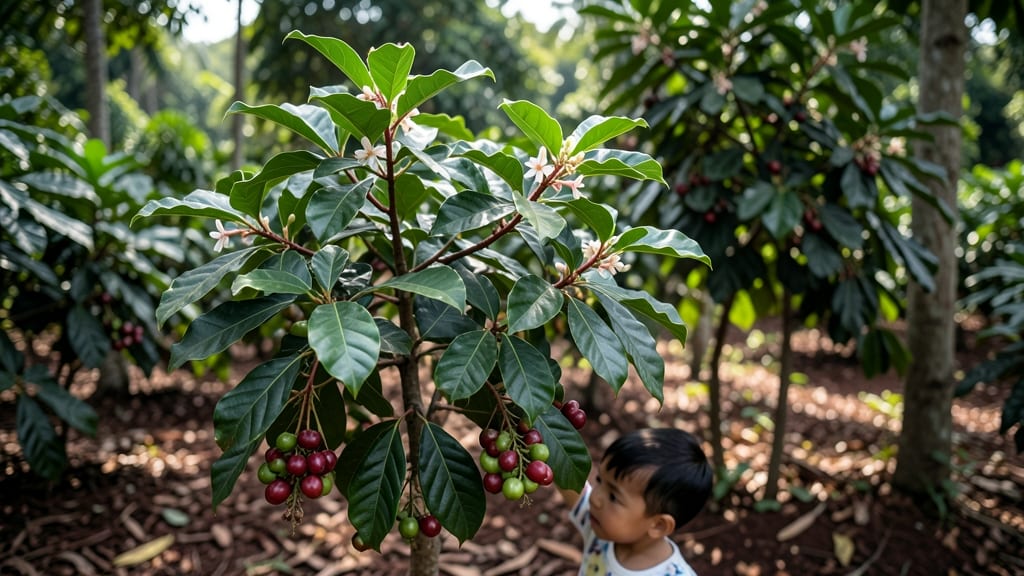
If you're dreaming of growing your own ☕ coffee plant and wondering how tall a coffee plant can grow, the answer might surprise you. Wild coffee plants can tower over 15 feet, while cultivated varieties often stay between 6 and 12 feet—that’s taller than most people imagine!
Whether you're planning a backyard garden in tropical zones 10-12 or a container setup for your patio, understanding your coffee plant's growth potential is key. Some varieties grow like small trees, while others remain manageable shrubs with the right care.
The good news? You can influence its height through pruning and training techniques.
Let’s break down the height differences between popular varieties like Arabica and Robusta, and how factors like sunlight, soil, and climate affect growth. You’ll also discover whether dwarf coffee plants exist for smaller spaces—spoiler: there are options!
Ready to grow your own ☕? By the end of this guide, you’ll know exactly what to expect and how to keep your coffee plant at your ideal height—whether that’s a towering tree or a compact patio plant.

Coffee plant height by variety: from dwarf to towering trees
If you're dreaming of growing your own coffee plant, the first question is likely: how tall will it grow? The answer varies dramatically depending on the variety and growing conditions.
Wild coffee plants can reach tree-like heights of 30 feet, while many cultivated varieties stay between 10 and 15 feet. For home gardeners, some compact varieties offer a more manageable size.
Most coffee plants belong to two primary species: Coffea arabica (Arabica) and Coffea canephora (Robusta).
Arabica varieties tend to be slightly taller and more delicate, while Robusta plants are often hardier and slightly shorter. Liberica coffee, a less common variety, can grow even taller, sometimes exceeding 40 feet in ideal conditions.
Here’s a quick comparison to help you visualize the differences:
| Variety | Mature Height | Growth Habit | Best For |
|---|---|---|---|
| Coffea arabica (Arabica) | 10–15 ft | Small tree/shrub | Home gardens, high-quality beans |
| Coffea canephora (Robusta) | 12–20 ft | Bushy shrub | Commercial farms, tougher climates |
| Coffea liberica (Liberica) | 20–40 ft | Tall tree | Tropical regions, large estates |
| Dwarf Varieties (e.g., 'Nana') | 3–6 ft | Compact shrub | Patio pots, indoor growing |
For home gardeners, dwarf varieties like 'Nana' or 'Patio' are the best choice if you're limited on space. These stay between 3 and 6 feet tall and can thrive in large containers, making them perfect for patios or balconies. However, they may produce fewer beans compared to their taller counterparts.
If you're growing coffee outdoors in a tropical or subtropical climate, expect your plant to reach its full potential height.
In cooler climates, growth may be slower, and the plant might not reach the same towering heights. Pruning also plays a huge role—regular trimming can keep a coffee plant at a manageable size while encouraging bushier growth.
One common misconception is that all coffee plants need vast amounts of space. While wild varieties can grow tall, many cultivated varieties are bred to be more compact.
For example, Coffea arabica 'Geisha' is a prized variety that typically stays around 12 feet tall but produces high-quality beans, making it a favorite among specialty growers.
If you're planning to grow coffee in containers, choose a variety that stays under 6 feet tall to avoid struggling with heavy pots. Even then, ensure your container is at least 18 inches deep to accommodate the plant’s root system as it grows.
For those in USDA zones 10–12, coffee plants can grow year-round, reaching their mature height within 3–5 years if given ideal conditions. In cooler zones, growth may slow significantly, and the plant might never reach its full potential height.
Remember, the height of your coffee plant isn’t just about aesthetics—it also affects fruit production and harvesting ease. Taller plants may yield more beans but require ladders or pruning to keep them manageable. Shorter varieties are easier to maintain but may produce fewer cherries.
Whether you're growing coffee for its fragrant flowers, lush foliage, or homegrown beans, understanding the height of your variety will help you plan your garden layout and care routine effectively. 🌱
How growing conditions affect coffee plant height
Your coffee plant's height isn't just determined by its variety—growing conditions play a huge role in whether it becomes a towering tree or stays compact. Factors like sunlight exposure, soil quality, and climate can double or halve your plant's mature height.
Even the container size you choose for potted plants affects growth potential.
Coffee plants thrive in tropical climates (USDA zones 10-12) where they receive year-round warmth and consistent rainfall. In these conditions, Arabica varieties can reach their full 10-15 foot potential within 3-5 years. However, in cooler climates, growth slows dramatically, often capping height at 6-8 feet even with ideal care.
Here are the key factors that influence how tall your coffee plant will grow:
- 🌡️ Climate & Temperature: Ideal temps 68-75°F promote rapid growth. Below 50°F, growth halts.
- ☀️ Sunlight Exposure: 4-6 hours of morning sun prevents leggy growth. Too much direct sun can stress plants.
- 🌱 Soil Quality: Well-draining, slightly acidic soil (pH 6.0-6.5) supports strong root development.
- 💧 Watering Routine: Consistent moisture prevents stunted growth, but waterlogging rots roots.
- ✂️ Pruning Practices: Regular pruning keeps plants 30-50% shorter than their natural height.
- 🪴 Container Size: Pots 18+ inches deep allow full root growth; smaller pots restrict height.
One surprising factor is wind exposure. Coffee plants grown in sheltered locations develop stronger stems and grow taller, while those in windy areas often stay shorter but bushier. This natural pruning effect can be beneficial for home gardeners who want to control height without manual pruning.
For container-grown coffee plants, pot size matters more than you might think. A plant in a 5-gallon container might reach only 4-5 feet tall, while the same variety in a 20-gallon pot could grow to 8-10 feet.
The root restriction in smaller containers triggers a natural height suppression mechanism.
If you're growing coffee in cooler climates, consider using greenhouse conditions to extend the growing season. This can add 2-3 extra feet of growth compared to outdoor cultivation.
For indoor growers, placing your coffee plant near a south-facing window with supplemental grow lights can help it reach closer to its natural height potential.
Remember that while you can't change your coffee plant's genetic potential, you can optimize growing conditions to help it reach its maximum height—or keep it compact if space is limited. The right balance of sunlight, water, and pruning gives you full control over your plant's growth trajectory. 🌿