
How To
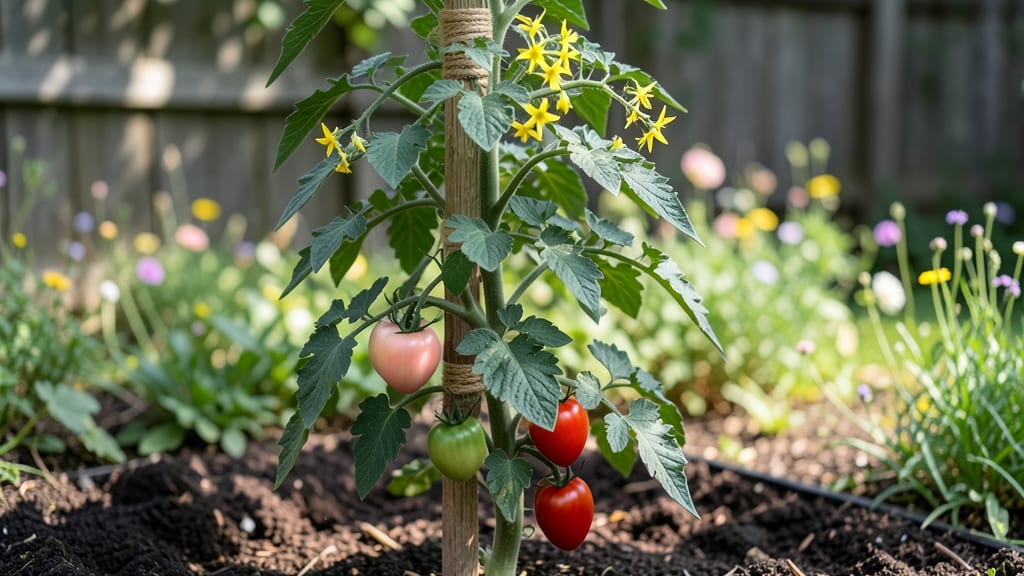
If you're wondering how tall does a Roma tomato plant grow, the answer might surprise you—especially if you're working with limited garden space.
These popular 🍅 varieties can reach anywhere from 3 to 6 feet, depending on whether you're growing a compact determinate type or a sprawling indeterminate one.
For most home gardeners in USDA Zone 6a, understanding this growth range is the key to planning your spring planting window (April-May) and spacing plants correctly.
A determinate Roma stays shorter (2-3 feet), making it perfect for containers or small gardens, while indeterminate types can climb taller if given support.
But here's the thing: height isn't just about variety—it's also about how you manage your plants. Pruning, staking, and even companion planting can dramatically influence their growth patterns.
Whether you're a space-conscious urban gardener or have a sprawling backyard, knowing these tricks will help you maximize your harvest without sacrificing room for other plants.
Let's break down exactly what to expect from your Roma tomato plants, how to control their height, and why proper spacing matters more than you might think. Your summer harvest depends on it!

Roma tomato plant height by variety: compact vs. standard growth charts
Understanding the mature height of your Roma tomato plants is essential for planning your garden layout. These versatile varieties come in both determinate (bush) and indeterminate (vining) types, each with distinct growth patterns that affect their final height and space requirements.
Determinate Roma tomatoes typically stay between 2 to 3 feet tall, making them ideal for containers or small gardens. In contrast, indeterminate varieties can reach 5 to 7 feet tall if left unpruned, requiring sturdy support systems like cages or trellises.
Here’s how popular Roma tomato varieties compare in terms of height and growth habits:
| Variety | Type | Mature Height | Growth Habit | Best For |
|---|---|---|---|---|
| Roma VF | Determinate | 2–3 ft | Bushy, compact | Containers, small gardens |
| Plum Regal | Indeterminate | 5–7 ft | Vining, sprawling | Trellises, vertical gardens |
| San Marzano | Indeterminate | 4–6 ft | Tall, sturdy | Cages, staking systems |
| Roma Red | Determinate | 2.5–3.5 ft | Medium bush | Balconies, raised beds |
When choosing a variety, consider your garden space and support system. Determinate types like Roma VF are perfect for container gardening or tight spaces, while indeterminate varieties like Plum Regal thrive with vertical support, maximizing upward growth in small areas.
For small gardens, opt for dwarf or semi-dwarf varieties that stay under 3 feet tall. These plants also produce fruit earlier, giving you a quicker harvest without sacrificing yield.
If you’re growing Roma tomatoes in containers, select determinate types and ensure your pots are at least 12–18 inches deep to accommodate their root systems. Shallow containers can stunt growth and reduce fruit production.
Indeterminate varieties, while taller, offer a longer harvest season since they produce fruit continuously throughout the growing period. However, they require regular pruning and support structures to prevent sprawling and disease.
Pro tip: Use cage systems or trellises to guide indeterminate plants upward, saving space and improving airflow around the foliage. This also makes harvesting easier and reduces the risk of soil-borne diseases.
Always check the seed packet or plant tag for specific height ranges, as some hybrid varieties may vary slightly from standard growth charts. Adjust your spacing accordingly to avoid overcrowding, which can lead to poor air circulation and increased disease risk.
For urban gardeners, consider vertical gardening techniques like hanging baskets with built-in trellises or wall-mounted planters. These solutions allow you to grow taller varieties without taking up valuable ground space.
Remember, the height of your Roma tomato plants isn’t set in stone—proper care and training can influence their final size. With the right approach, you can enjoy a bountiful harvest regardless of your garden’s dimensions.
How to control Roma tomato plant height for small gardens
Managing the height of your Roma tomato plants is especially important if you're working with limited space. Whether you're growing in containers or a small backyard, techniques like pruning and staking can keep your plants at an ideal height while maximizing your harvest.
The key is to balance vertical growth with bushier foliage to ensure strong fruit production.
For indeterminate varieties like Plum Regal, which can reach 5–7 feet without intervention, regular pruning is essential. Start by removing suckers—those small shoots that grow in the leaf axils—when they're about 1–2 inches long.
This encourages the plant to focus energy on fruit production rather than excessive growth.
Here’s a step-by-step guide to managing your Roma tomato plant height effectively:
-
Step 1: Choose the Right Support
Install cage systems or trellises at planting time. For indeterminate varieties, use 6-foot tall stakes or tomato cages to guide vertical growth. For determinate types, 3-foot cages suffice. -
Step 2: Prune Suckers Regularly
Pinch off suckers (side shoots) weekly to prevent sprawling. Focus on removing suckers below the first flower cluster to encourage upward growth and better air circulation. -
Step 3: Train Vines Upward
Gently tie vines to supports as they grow, using soft twine or cloth strips. Avoid tight binding, which can damage stems. For indeterminate types, aim to keep the plant within 4–5 feet for easier maintenance. -
Step 4: Thin Fruit Clusters
Remove excess fruit when clusters form to reduce weight on stems. Leave 5–7 tomatoes per cluster to prevent overburdening the plant, which can stunt growth or cause breakage. -
Step 5: Fertilize Strategically
Use a balanced fertilizer (5-10-10) every 4–6 weeks to promote steady growth. Avoid over-fertilizing with nitrogen, which encourages leafy growth at the expense of fruit production. -
Step 6: Monitor for Pests/Diseases
Inspect plants weekly for aphids, hornworms, or fungal spots. Early intervention prevents stress, which can lead to stunted growth or uneven height development.
For small gardens or containers, consider dwarf Roma varieties like Roma VF, which max out at 2–3 feet. These are perfect for balcony planters or raised beds where space is tight. Pair them with companion plants like basil or marigolds to deter pests and improve growth.
If you’re growing in containers, ensure your pots are at least 12–18 inches deep and 18 inches wide to accommodate root growth. Shallow containers restrict root development, leading to stunted plants and smaller yields. Use well-draining soil mixed with compost to support healthy growth.
Remember, the goal isn’t just to control height but to create an optimal growing environment. With the right techniques, you can keep your Roma tomato plants at a manageable size while still enjoying a bountiful harvest—even in the smallest of spaces. 🌱