
Plants
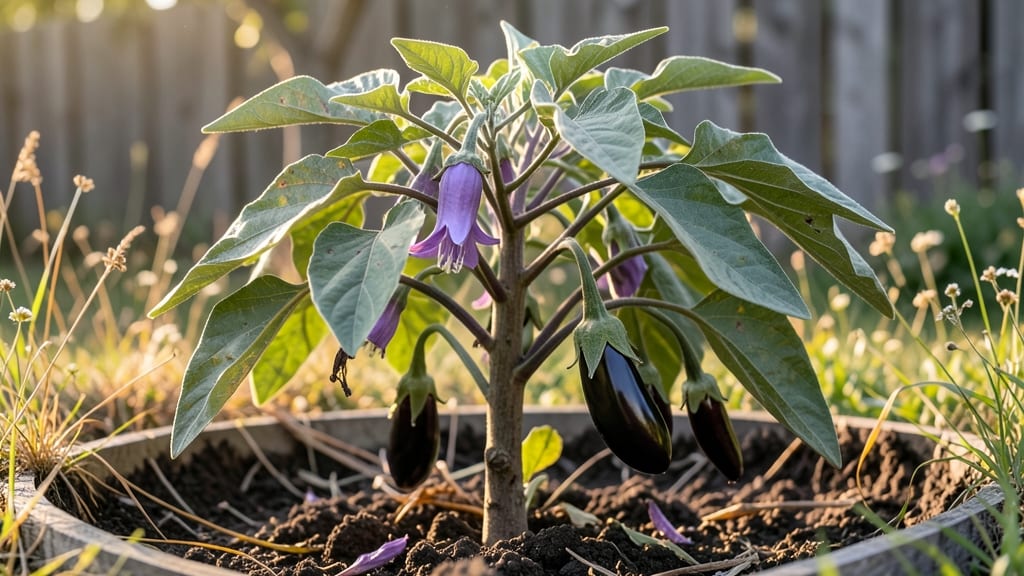
Wondering how tall your eggplant plant (🍆) will grow before it takes over your garden? The answer might surprise you—these versatile plants can range from compact 1-foot dwarfs to towering 4-foot giants, depending on the variety and how you grow them.
If you're working with limited space, you're in luck—many eggplant varieties stay small enough for containers or tight garden beds. But if you're growing standard types, their height can dramatically affect how you space them or whether you need support.
Let’s break down the differences so you can choose the perfect fit for your garden.
Standard eggplants typically reach 3–4 feet, while dwarf varieties stay under 2 feet, making them ideal for balconies or small pots. The key to managing height lies in pruning, trellising, or even selecting the right variety.
I’ll show you how to keep your plants at your desired size without sacrificing those delicious fruits.
Whether you're a space-challenged gardener or just curious about eggplant growth, knowing these details will help you plan for success. Ready to find out which varieties work best for your setup?

Eggplant plant height by variety: standard vs. dwarf and bush types
Eggplants (🍆) come in a surprising range of sizes, from petite patio varieties to sprawling giants. The height of your plant directly impacts your garden layout, container choices, and even how much fruit you’ll harvest.
Understanding these differences helps you pick the perfect variety for your space—whether you’re working with a tiny balcony or a sprawling backyard.
Standard eggplant varieties typically reach 3–4 feet tall, making them ideal for in-ground gardens where they can spread out. These taller types need 18–24 inches of spacing between plants to prevent overcrowding.
If you’re growing them in rows, plan for 3 feet of space between rows to allow airflow and easy harvesting.
But here’s the good news: dwarf and bush varieties can stay as short as 1–2 feet, perfect for containers, raised beds, or small-space gardens. These compact plants often produce just as many fruits as their taller cousins, just in a more manageable package.
For example, the Fairy Tale variety tops out at 18 inches, while Black Beauty (a standard type) can easily hit 4 feet if left unchecked.
Bush eggplants, like Ichiban, strike a balance with heights of 2–3 feet, making them versatile for both in-ground and container growing. Their compact growth habit means you can fit more plants in less space, which is a game-changer for urban gardeners or those with limited square footage.
Now, let’s talk about how these heights translate into real-world growing conditions. The variety you choose isn’t just about aesthetics—it’s about yield, ease of care, and space efficiency.
For instance, a 4-foot eggplant might produce larger fruits but requires more room, while a 1-foot dwarf could yield smaller fruits but fits perfectly in a 5-gallon pot on your patio.
The spacing needs for each type are critical for healthy growth. For example, a 4-foot eggplant planted too close to its neighbor will compete for nutrients and sunlight, leading to smaller fruits and weaker plants.
On the other hand, dwarf varieties can thrive in 5-gallon containers with just 12 inches of space between them, making them ideal for urban gardening.
If you’re growing eggplants in containers, focus on dwarf or bush types. A 5-gallon pot is the minimum for a single plant, but larger containers (like 10–15 gallons) will support bigger varieties and improve yield.
For in-ground gardens, raised beds are a great way to control spacing and drainage, especially for taller varieties.
One common misconception is that taller eggplants always produce more fruit. While some standard varieties yield larger individual fruits, dwarf types often compensate with higher fruit density per square foot.
This means you might get more total eggplants from a small space with compact varieties than you would from a single large plant in a sprawling garden.
To measure your eggplant’s height accurately, use a tape measure or ruler from the soil line to the tallest leaf or flower cluster. Most plants reach 50% of their mature height by 6–8 weeks after transplanting, so you can start planning your garden layout early.
If you’re growing in containers, check the pot’s height—some dwarf varieties may need support stakes even if they’re short, especially if they’re heavy with fruit.
Remember, the height of your eggplant isn’t set in stone. With pruning, trellising, or strategic training, you can even influence how tall a standard variety grows. For example, pinching back the top growth can encourage bushier, shorter plants.
We’ll dive deeper into these techniques in the next section—so stay tuned if you’re looking to maximize space in your garden!
Best space-saving eggplant varieties for containers and small gardens
If you’re working with limited space but still want a bountiful eggplant harvest, you’ll love these compact varieties designed for containers and small gardens. Unlike their towering cousins, these plants stay under 2 feet tall while delivering delicious, high-quality fruits.
The best part? Many produce just as much (or more!) per square foot than standard varieties, making them perfect for urban balconies, patio pots, or tiny backyard plots.
For container gardening, prioritize varieties labeled as dwarf or bush types. These thrive in 5–15 gallon pots with proper drainage, and some even do well in hanging baskets if you choose the right support.
The key is selecting a variety that matches your growing conditions—whether you’re dealing with partial shade, hot afternoons, or limited sunlight.
When choosing a container, remember that bigger isn’t always better—it’s about balance. A 5-gallon pot works for dwarf varieties like Fairy Tale, but if you’re growing Ichiban or Patio Baby, opt for 10–15 gallons to accommodate their slightly larger root systems.
Add a support cage or trellis if your variety tends to get top-heavy with fruit, especially in windy conditions.
For small gardens, consider raised beds or vertical gardening techniques. Bush varieties like Ichiban can be planted in tight rows with 18 inches of spacing, allowing you to fit 4–6 plants per 4x8-foot bed.
If you’re using containers, place them near a south-facing wall to maximize sunlight exposure—eggplants need 6–8 hours of direct sun daily to thrive.
One of my favorite space-saving tricks is interplanting eggplants with shallow-rooted companions like basil or marigolds. This not only maximizes your garden’s productivity but also deters pests naturally.
Just be mindful of watering—containers dry out faster than in-ground beds, so check soil moisture daily during hot weather. A self-watering pot can be a game-changer for busy gardeners!
Don’t overlook miniature or heirloom varieties like Rosa Bianca, which produces stunning white eggplants perfect for containers. These often have slower growth rates but reward you with unique flavors and colors.
If you’re experimenting with container gardening, start with one of these varieties to test your setup before committing to larger plants.
Pro tip: If you’re growing eggplants in containers, fertilize lightly but consistently. Use a balanced 10-10-10 fertilizer every 4–6 weeks to encourage flowering and fruiting. Avoid over-fertilizing with nitrogen-heavy mixes, as this can lead to leafy growth at the expense of fruit production.
With the right variety and care, you’ll be harvesting homegrown eggplants in no time—even in the smallest of spaces! 🌱