
How To
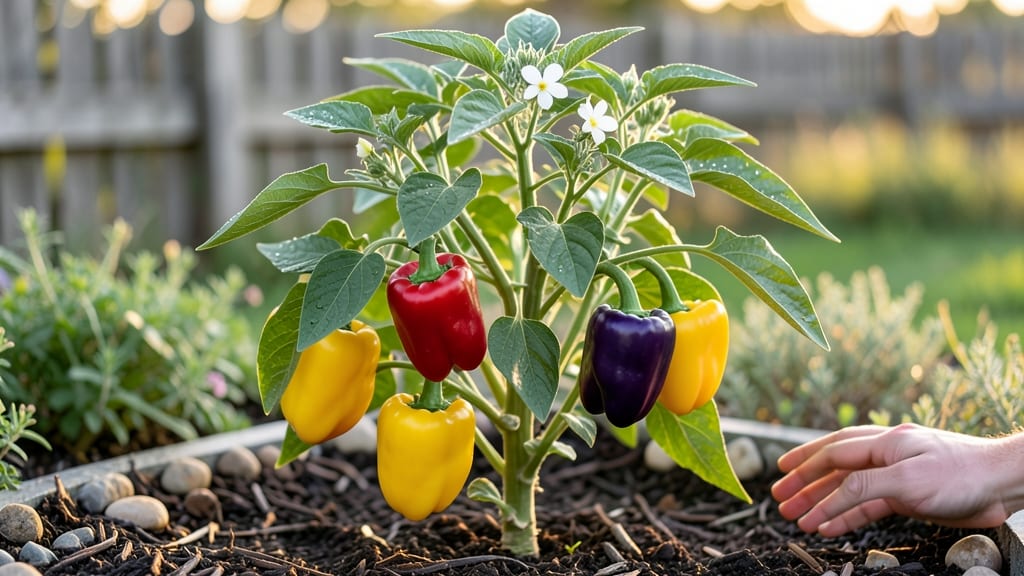
If you're planning your garden layout this spring, knowing how tall bell pepper plants grow could save you from overcrowding or underutilized space.
These versatile 🌶️ plants typically reach between 18 to 36 inches at maturity, but their final height depends on the variety you choose and how you care for them.
Standard varieties like 'California Wonder' often stretch toward the upper end of that range, while compact types like 'Sweet Banana' stay shorter and bushier. The difference isn't just about aesthetics—taller plants may need support, while dwarf varieties thrive in containers or small gardens.
Whether you're a first-time gardener or a seasoned grower, understanding these height variations helps you plan for spacing, sunlight access, and even harvest strategies. I'll break down exactly what to expect from different types and how to manage their growth for maximum productivity.
Ready to optimize your garden? Let's explore how variety selection and simple care techniques can transform your bell pepper plants from potential space hogs to thriving, high-yielding additions to your harvest.

Bell pepper plant height by variety: compact vs tall-growing types
Bell pepper plants come in a surprising range of heights, from dwarf varieties that stay under 2 feet to tall-growing types reaching nearly 4 feet. This variation isn't just about aesthetics—it directly affects your garden layout, support needs, and even how you harvest your peppers.
Choosing the right height for your space can mean the difference between a crowded, struggling garden and a thriving, productive one.
Most home gardeners grow standard-height bell peppers, which typically mature between 2 to 3 feet tall. These varieties are versatile and work well in both in-ground beds and containers.
However, if you're short on vertical space or prefer a tidier garden, dwarf varieties can be a game-changer, staying as short as 1 to 2 feet.
On the other end of the spectrum, some tall-growing peppers like 'California Wonder' can reach up to 4 feet, making them ideal for trellising or larger garden plots.
Here’s how to match your garden’s needs with the right bell pepper height—plus a quick reference for popular varieties:
When planning your garden, consider the mature height of your chosen varieties. Dwarf varieties like 'Sweet Banana' are perfect for container gardening or small spaces, while tall-growing types such as 'California Wonder' thrive when given room to spread or climb.
If you’re unsure, start with a medium-height variety like 'Jalapeño'—it’s forgiving and adaptable to most growing conditions.
Another factor to consider is the growth habit of your peppers. Some varieties, like 'Poblano,' grow upright and may need minimal support, while others, like 'California Wonder,' can become top-heavy with fruit and benefit from stakes or cages.
Always check the seed packet or plant tag for height estimates, as these can vary slightly between growers and climates.
For container growers, stick to dwarf or semi-dwarf varieties that won’t outgrow their pots. A 5-gallon container is ideal for most bell peppers, giving roots enough room to establish while keeping the plant manageable.
If you’re growing in ground beds, space taller varieties 18–24 inches apart to prevent overcrowding and improve airflow, which reduces the risk of disease.
Pro tip: If you love the flavor of a tall-growing variety but lack space, try pruning or trellising to control height. This not only saves space but also directs the plant’s energy toward producing more fruit rather than excessive foliage. We’ll cover these techniques in detail in the next section!
Remember, the height of your bell pepper plants isn’t set in stone—it’s influenced by factors like pruning, sunlight, and soil quality. With the right care, even a dwarf variety can surprise you with extra height, while a tall grower might stay compact if grown in less-than-ideal conditions.
The key is to start with the right variety for your space and adjust as needed.
Now that you know what to expect from your bell pepper plants, let’s talk about when and how to provide support for
Bell pepper plant height by variety: compact vs tall-growing types
Bell pepper plants come in a surprising range of heights, from compact dwarf varieties that stay under 2 feet to towering standard types reaching nearly 4 feet. The variety you choose directly impacts your garden layout, spacing needs, and even how you'll support the plants.
For example, 'Sweet Banana' stays around 18-24 inches, making it perfect for containers or small gardens, while 'California Wonder' can stretch to 36 inches or more.
Most home gardeners grow standard bell pepper varieties, which typically mature between 24 and 36 inches. These plants develop sturdy stems but often benefit from support as they bear heavy fruit loads.
If you're working with limited space, consider bush-type varieties like 'Lunchbox' or 'Snackmaster,' which rarely exceed 2 feet in height while still producing abundant peppers.
Here's a quick reference to help you visualize how different varieties compare in height and growth habit:
| Variety | Height Range | Growth Habit | Best For |
|---|---|---|---|
| Sweet Banana | 18-24" | Bushy, compact | Containers, small gardens |
| California Wonder | 30-36" | Tall, upright | In-ground planting, trellises |
| Lunchbox | 12-18" | Dwarf, bushy | Balcony gardens, pots |
| Jalapeño | 24-36" | Medium-tall, bushy | Spice gardens, mixed beds |
| Snackmaster | 18-24" | Compact, prolific | Small spaces, high yield |
When selecting varieties, consider your garden's sunlight exposure and available space. Taller varieties need more sunlight to support their height and fruit production, while dwarf types thrive in partial shade or containers.
If you're growing in USDA Zone 6a or warmer, you can extend your growing season with taller varieties, as they have more time to mature before frost.
Pro tip: Check seed packets for mature height estimates—this gives you the most accurate expectation. Some heirloom varieties may exceed standard heights, so research is key if you're growing from saved seeds or rare types.
For example, 'Monarch' can reach 4 feet or taller with proper care, making it a statement plant in larger gardens.
Remember that even within the same variety, height can vary based on growing conditions. Plants with adequate sunlight and nutrient-rich soil tend to grow taller and more vigorously than those in less ideal conditions.
This is why many gardeners swear by compost-amended soil and balanced fertilizers to encourage healthy growth patterns.