
How To
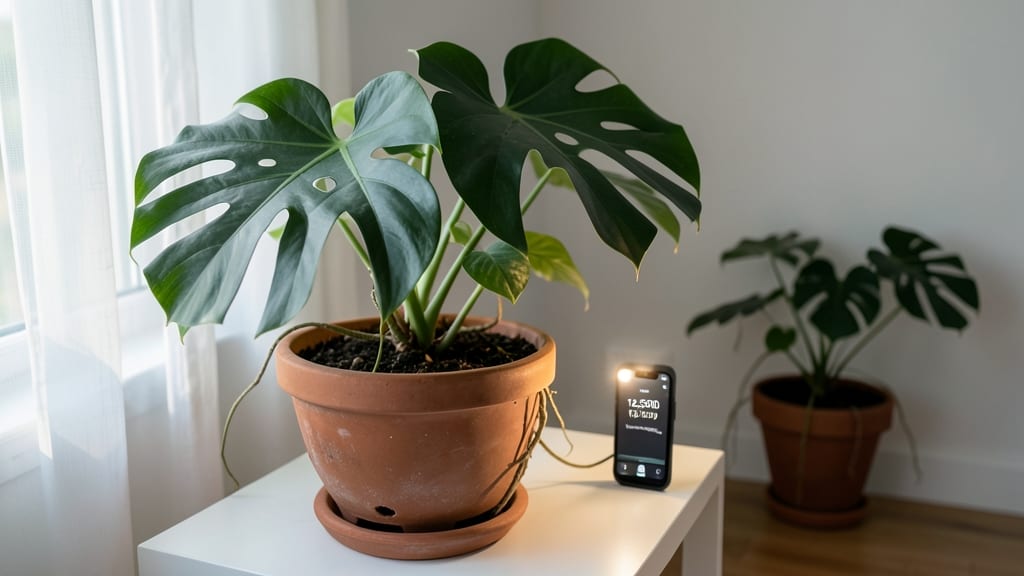
Your monstera plant how much light it needs might surprise you—because the wrong amount can turn those stunning leaves into a sad, yellowing mess. This tropical beauty thrives in bright but indirect sunlight, making it the perfect indoor companion for most homes.
Too little light, and growth slows down; too much, and you’ll spot crispy edges or bleached patches. The key is finding that sweet spot where your 🌿 monstera stays lush and vibrant.
If you’ve ever wondered why your monstera’s leaves aren’t splitting or growing as expected, light is likely the culprit. Unlike sun-loving plants, monsteras hate direct rays, which can scorch their delicate foliage.
Instead, they crave gentle, filtered light—think of it as a cozy reading nook where they can stretch and thrive without stress. Let’s break down exactly how to give your plant the perfect lighting conditions.
From east-facing windows to grow lights, I’ll show you how to diagnose light issues and adjust your setup for a happier monstera. Whether your plant is struggling with slow growth or sudden yellowing, understanding its light needs is the first step to bringing it back to life.
Ready to transform your leafy friend into a thriving centerpiece?
Don’t let guesswork ruin your monstera’s potential. With the right light, you’ll enjoy bigger leaves, faster growth, and a plant that feels like a true jungle escape—right in your living room. Let’s get started!

Optimal light requirements for monsteras: bright indirect light explained
Your monstera plant thrives in bright indirect light, which mimics its natural jungle habitat. This means placing it near a window where sunlight filters through sheer curtains or a light-colored screen.
Direct sunlight can scorch leaves, while too little light leads to slow growth and smaller leaves. Think of it as creating a sun-dappled forest indoors—gentle but consistent.
The ideal light intensity for a monstera falls between 1,000 to 2,000 foot-candles, measured about 2 feet from the plant. This is roughly the brightness of a well-lit office space. If your home has dim lighting, you’ll need to supplement with grow lights to prevent leggy growth.
Most monsteras show their best growth when they receive 6 to 8 hours of indirect light daily.
Here’s how to visualize the perfect light setup: Imagine your monstera sitting 2 to 3 feet away from an east-facing window, where morning sunlight is soft and warm. If you place it near a south-facing window, use a sheer curtain to diffuse the harsh afternoon rays.
West-facing windows can be tricky due to intense late-afternoon sun, so keep your monstera a safe distance or add a light filter.
One of the biggest mistakes I see is assuming all plants love sunlight. Unlike succulents or cacti, monsteras are understory plants that evolved to thrive beneath taller trees. Their large, fenestrated leaves are a sign of a plant that’s adapted to low to medium light conditions with occasional bright spots.
When light is perfect, you’ll notice larger leaves with prominent splits, a clear sign your plant is happy.
🌿 Monstera Light Requirements Summary
| Light Type | Intensity | Ideal Duration | Signs of Perfect Light |
|---|---|---|---|
| Bright Indirect | 1,000-2,000 fc | 6-8 hours/day | Large, glossy leaves with splits |
| Low Light | <500 fc | Survives but slow growth | Small, dark green leaves |
| Direct Sunlight | >3,000 fc | Avoid entirely | Brown patches, crispy edges |
If you’re unsure whether your monstera is getting the right light, check its leaf color and growth pattern. Healthy monstera leaves are deep green with a slight sheen, while those in low light turn pale or yellow.
Over time, leaves may also develop smaller fenestrations (holes) or fail to split at all, which is a clear sign of insufficient light. On the flip side, leaves exposed to too much direct sun will develop bleached or brown spots, often along the edges.
For indoor growers, I recommend using a light meter app on your phone to measure the light levels near your monstera. Apps like "Light Meter" or "Lux Light Meter" make it easy to check if you’re hitting the sweet spot.
If your measurements are consistently below 1,000 foot-candles, consider rotating your plant to different windows throughout the day or investing in a LED grow light for supplemental lighting.
Outdoor monsteras can also benefit from gradual acclimation to brighter light. If you’re moving your plant outside during the warmer months, start with morning shade and slowly increase its sun exposure over 2-3 weeks.
This helps prevent sunburn shock, which can cause sudden leaf damage. Think of it like giving your monstera a tropical vacation—ease it into the bright new environment!
Remember, monsteras are forgiving plants, but they do communicate their needs through their leaves. Pay attention to these subtle cues, and you’ll create the perfect light conditions for a thriving, jungle-like monstera that’s the envy of every plant lover.
With the right balance, your monstera will reward you with lush, dramatic foliage that’s pure eye-catching art.
Now that you know the ideal light setup, let’s tackle the next challenge: diagnosing and fixing yellow leaves caused by light issues. Stay tuned for actionable tips to bring your monstera back to its vibrant best! 🌿
How to fix yellow leaves: diagnosing light-related problems in monsteras
Yellow leaves on your monstera plant are often a cry for help—specifically about light exposure. The most common causes are too little light (leading to pale, yellowing leaves) or too much direct sun (causing crispy, brown-edged leaves).
Before panicking, check the location and placement of your plant. If it’s sitting in a dim corner or basking in harsh afternoon sun, those yellow leaves are your monstera’s way of saying, "Move me, please!"
Start by examining the pattern of yellowing. If the yellowing starts on the older leaves and works its way upward, your monstera is likely overwatered or in low light. However, if the new leaves are small, pale, and yellowing, it’s a clear sign of insufficient light.
This is your monstera’s way of stretching toward the light, but without enough energy to produce vibrant foliage. The solution? Rotate your plant quarter-turns weekly to ensure even light exposure.
Direct sunlight is the silent killer of monsteras. When leaves develop brown, crispy edges or bleached patches, it’s a red flag that your plant is getting too much sun. Unlike succulents, monsteras cannot tolerate direct rays, especially from south or west-facing windows.
If you notice these symptoms, immediately move your monstera further from the window or add a sheer curtain to diffuse the light. Think of it as giving your plant a tropical sunblock to protect its delicate leaves.
🌿 Light-Related Yellow Leaf Warning Signs
If your monstera shows these signs, act fast to adjust its light conditions:
- Pale yellow leaves → Move to brighter indirect light
- Brown crispy edges → Reduce direct sun exposure
- Small, slow-growing leaves → Supplement with grow lights
- Bleached white patches → Immediate shade relief needed
For monsteras in low-light conditions, consider investing in a LED grow light to mimic natural sunlight. Place the light 12-18 inches above the plant and keep it on for 12-14 hours daily. This mimics the long daylight hours of the monstera’s native rainforest habitat.
I recommend full-spectrum LED bulbs, which provide the right balance of blue and red light for healthy growth. If you’re on a budget, even a simple fluorescent grow bulb can work in a pinch.
Another trick is to rotate your monstera monthly to ensure all sides receive equal light. Plants naturally grow toward the light, which can lead to lopsided growth or leggy stems. By rotating, you encourage even foliage development and prevent weak, stretched-out growth.
Pair this with pruning leggy vines to redirect energy into stronger, healthier growth. Remember, a well-lit monstera is a happy monstera, and happy monsteras grow bigger, glossier leaves!
If your monstera is already showing severe light-related damage, don’t despair—it’s often reversible! Start by adjusting its location to a spot with bright indirect light, then monitor its progress over 2-4 weeks.
Remove any severely damaged leaves to encourage new growth, and avoid fertilizing until the plant shows signs of recovery. With the right light conditions, your monstera will bounce back with vibrant, healthy leaves that’ll make your space feel like a lush jungle retreat.
Next, let’s dive into the best window locations for monsteras—because not all windows are created equal! Some provide the perfect bright indirect light, while others can fry your plant in no time. Stay tuned to find out which rooms are monstera magnets and which to avoid. 🌿