
How To
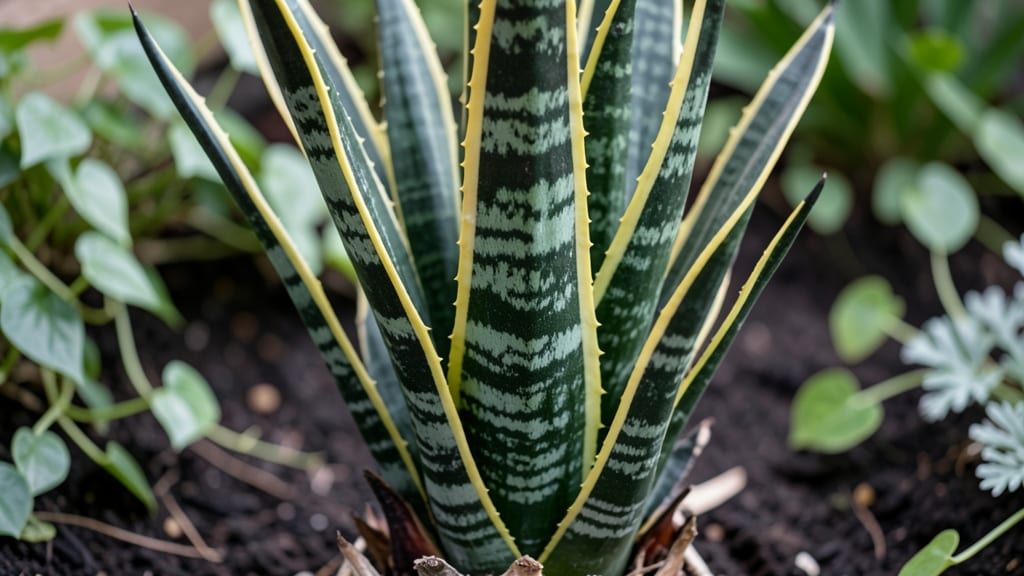
If you're wondering how tall your snake plant 🌱 will grow, the answer might surprise you—some varieties stay compact while others can reach ceiling height!
Whether you're dealing with a 'Hahnii' that stays under a foot or a 'Futura Superba' stretching toward the sky, understanding these differences is key to managing your plant's growth.
The height of your snake plant depends on its variety, care habits, and even the pot size you choose. Some types grow slowly, making them perfect for small spaces, while others can shoot up 3-4 feet in just a few years.
Knowing these factors helps you plan where to place your plant and how to keep it thriving.
In this guide, I'll break down the exact height ranges for popular snake plant varieties, so you can predict how tall yours might get. You'll also discover how light exposure, watering, and pruning can influence its growth—giving you control over whether your plant stays small or stretches tall.
Ready to find out how your snake plant will grow? Let's dive into the details so you can keep it at your ideal height—whether that's a desk-sized companion or a statement piece for your living room!

Snake plant height by variety: exact growth expectations
If you’ve ever glanced at your snake plant and wondered whether it’ll soon need a ladder to reach, the answer depends entirely on its variety. Some types stay compact enough for a desk, while others grow tall enough to rival your ceiling fan.
The key lies in understanding each cultivar’s genetic growth potential—and how to nurture (or rein in) that potential.
For example, the Sansevieria 'Hahnii' (also called "Bird’s Nest") stays under 2 feet tall, making it perfect for small spaces. Meanwhile, the 'Futura Superba' variety can stretch to 4 feet or taller with ideal care.
Even within the same species, leaf shape and thickness play a role—thicker leaves often mean slower vertical growth, while slender leaves encourage height.
Here’s the breakdown of mature heights for the most popular snake plant varieties, so you can match your plant to your space:
| Variety | Mature Height | Leaf Width | Growth Rate |
|---|---|---|---|
| Sansevieria 'Hahnii' (Bird’s Nest) | 12–24 inches | 1–2 inches | Slow |
| Sansevieria 'Laurentii' (Classic) | 2–3 feet | 2–3 inches | Moderate |
| Sansevieria 'Moonshine' | 2–3 feet | 2–3 inches | Moderate |
| Sansevieria 'Futura Superba' | 3–4 feet | 3–4 inches | Fast |
| Sansevieria 'Twisted' | 2–4 feet | 2–3 inches | Moderate |
| Sansevieria 'Black Gold' | 2–3 feet | 2–3 inches | Slow |
The 'Hahnii' variety is the smallest, forming a rosette shape that rarely exceeds 2 feet. Its compact size makes it ideal for hanging planters or tight corners.
On the other end of the spectrum, 'Futura Superba' can grow aggressively, especially if given plenty of bright indirect light and a spacious pot. If you’re concerned about height, this variety benefits from regular pruning to maintain a manageable size.
Leaf width also influences how "tall" your snake plant feels. For instance, 'Black Gold' has broad, dark leaves that make it feel more substantial even at 2 feet tall, while 'Twisted' varieties grow taller but with thinner leaves that create an airy, vertical effect.
If you love the look of height but limited space, consider horizontal varieties like 'Hahnii' or 'Cylindrica', which sprawl instead of shooting upward.
One common misconception is that all snake plants grow equally tall. In reality, the root system and leaf structure of each variety dictate its growth pattern. For example, 'Laurentii' produces long, upright leaves that grow from a central base, while 'Moonshine' has shorter, bushier growth.
If you’re buying a snake plant for a small apartment, check the variety name before purchasing—it’s the best way to avoid a surprise ceiling brush!
Pro tip: If you’re unsure about your snake plant’s variety, look at the leaf edges. Varieties like 'Laurentii' have yellow borders, while 'Moonshine' has a creamy white hue. 'Hahnii' leaves are curved and twist as they grow, creating that signature "bird’s nest" shape.
Knowing these details helps you predict—and control—your plant’s future height.
🌱
How care factors affect snake plant height (and how to control growth)
Your snake plant’s height isn’t just about genetics—light exposure, pot size, and soil quality play huge roles in whether it stays compact or stretches toward the sky.
For example, a Sansevieria 'Laurentii' in a cramped pot may grow just 2 feet tall, while the same variety in a spacious container with bright indirect light can reach 4 feet in 3 years. Let’s break down the key factors and how to manage them for your ideal-sized plant.
One of the biggest misconceptions is that snake plants grow rapidly. In reality, they’re slow growers—typically adding only 6-12 inches per year under ideal conditions. However, poor care can stunt growth or cause leggy, stretched leaves, which makes the plant appear taller than necessary.
The good news? With a few adjustments, you can easily control its height to fit your space.
Light exposure is the #1 factor influencing height. Snake plants grown in low light (like a north-facing window) often develop taller, thinner leaves as they stretch toward any available light source—a phenomenon called etiolation. On the flip side, bright indirect light encourages shorter, sturdier growth with wider leaves. If your plant is already leggy, moving it to a sunnier spot can help thicken its leaves over time.
🌱Pro Tip: Rotate your snake plant every few months to ensure even light exposure on all sides. This prevents one-sided stretching and promotes balanced, compact growth.
- 💡 Light Exposure: Bright indirect light = shorter, stockier growth; low light = taller, leggy leaves.
- 🪴 Pot Size: Root-bound plants grow slower vertically but may produce more leaves. Upgrade pots every 2-3 years for steady growth.
- 🌱 Soil Type: Well-draining, sandy soil prevents root stress, which can stunt growth. Avoid heavy clay mixes.
- ✂️ Pruning: Trim leggy leaves at the base to encourage bushier, shorter growth. Use clean, sharp scissors.
- 💧 Watering: Overwatering causes root rot, which slows growth. Water only when soil is completely dry (every 2-3 weeks).
- 🌡️ Temperature: Keep in 65-85°F. Cooler temps (below 50°F) slow growth significantly.
If you’re dealing with a snake plant that’s already too tall for your space, pruning is your best friend. Simply cut the longest leaves at the base using sterilized scissors, and the plant will redirect energy into producing shorter, bushier leaves.
For a dramatic change, you can even propagate the cuttings to create new, smaller plants. Just be sure to let the cut ends callus over for a day before planting in fresh soil.
Another often-overlooked trick is topping your snake plant. This involves cutting the top portion of a leaf and rooting it in water or soil. The remaining base will often sprout new, shorter leaves from the center, giving you a fuller, more compact plant.
It’s a great way to refresh an overgrown specimen while gaining extra plants for free!
For those with limited vertical space, consider growing dwarf varieties like 'Hahnii', which max out around 12-18 inches tall. Even standard varieties can be kept in check with the right care.
Remember, snake plants are incredibly forgiving—focus on well-draining soil, moderate light, and occasional pruning, and you’ll have a plant that fits perfectly in your home, whether you want it on a shelf or as a floor statement.