
Planting
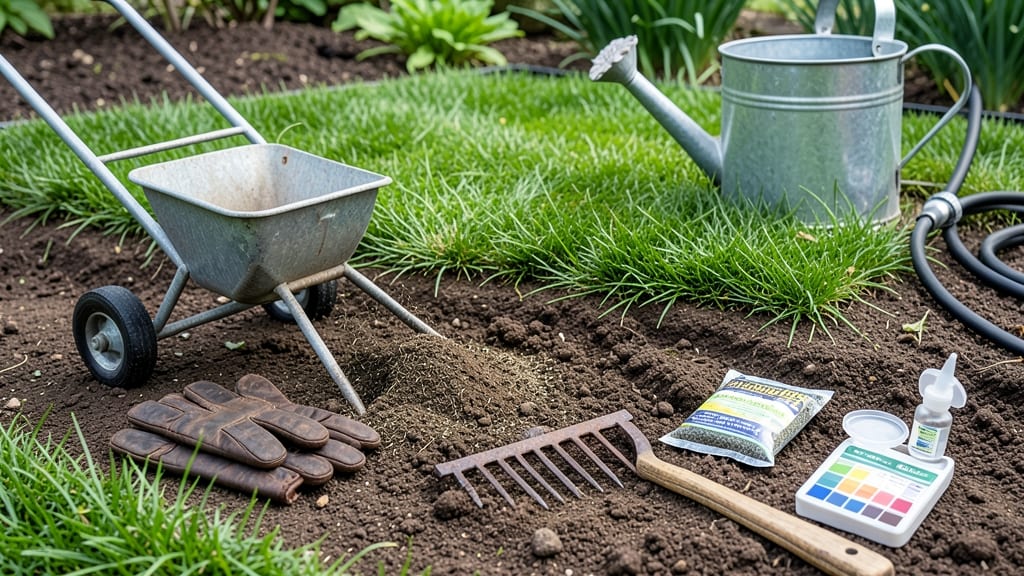
Timing your grass seed planting in Massachusetts makes all the difference between a lush, green lawn and a patchy, weed-filled disappointment. Whether you're seeding a new yard or overseeding an existing one, getting the schedule right is the key to success in zones 6a-7b.
The wrong window could mean wasted seed, slower growth, or even inviting weeds to take over before your grass gets established.
Most gardeners in Massachusetts know the two best times to plant 🌱 grass seed—early spring and early fall—but the exact timing depends on soil temperatures, frost dates, and regional microclimates.
Coastal areas might have a slightly longer window than inland spots, so understanding these nuances can save you from costly mistakes. Let me break down the ideal planting windows and what you need to do to prepare your soil for maximum germination.
Spring planting typically kicks off as soon as the soil warms to at least 50°F, usually around mid-April, while fall planting works best when temperatures stay above 60°F but nights begin to cool—think late August to early October.
Both seasons offer advantages, but each comes with its own set of challenges, from early spring frosts to late summer heat waves. I’ll walk you through the best strategies to ensure your grass gets the strong start it needs, no matter which season you choose.
Once you’ve picked the right window, the next step is preparing your soil—removing debris, tilling, and choosing the right seed blend for your local conditions. With the right prep work, you’ll be well on your way to a thick, vibrant lawn that stands up to Massachusetts’ unpredictable weather.
Let’s dive into the details so you can get planting with confidence.
Best planting windows in Massachusetts: spring vs. fall guidelines
Massachusetts' cool-season climate creates two ideal windows for planting grass seed: early spring and early fall. Both seasons offer cooler temperatures and consistent moisture—perfect conditions for germination and root establishment.
The key difference lies in soil temperatures and frost risks, which vary by region (coastal areas warm faster than inland zones).
For spring planting, aim for March through April once daytime temperatures consistently stay above 50°F (10°C). This timing avoids late frost threats while giving grass a 6-8 week growing window before summer heat stress.
Coastal areas like Cape Cod can start as early as late February, while inland regions should wait until mid-April.
Fall planting is often preferred because cooler air and warm soil reduce weed competition and drought stress. Target September through early October, stopping at least 6 weeks before first frost (typically mid-October in most of MA).
Grass planted in fall has time to develop deep roots before winter dormancy, resulting in faster spring recovery.
Soil temperature is your best indicator—use a soil thermometer to confirm 55-65°F (13-18°C) at a 4-inch depth. If temperatures exceed 75°F (24°C), germination slows dramatically, and seeds may dry out before sprouting. This is why summer planting is risky in Massachusetts' humid climate.
Regional variations matter: Western MA (Pioneer Valley) has earlier springs and cooler falls, while southeastern MA (Boston area) enjoys longer growing windows. Use these local frost date guides as your baseline, but always verify with your USDA Zone (6a-7b) for precise timing.
🌱
If you miss the primary windows, consider late summer (August) as a secondary option, but expect slower germination due to heat. Avoid planting in June-July when drought stress and weed competition peak. For overseeding (adding seed to existing lawns), fall remains the best choice year-round.
Massachusetts' humid continental climate means evening dew and morning fog can create ideal moisture conditions for grass seed. However, prolonged rain (common in spring) can wash seeds away or cause soil compaction.
Always plant on a dry, calm day and follow with a light watering to settle seeds into the soil.
For coastal regions, pay attention to salt spray from ocean winds, which can stress new grass. Use freshwater-only irrigation for the first 30 days post-planting. Inland areas should watch for drought conditions, especially in western MA, where summers can be dry.
Mulching with straw helps retain moisture during critical germination.
Remember: Grass seed needs consistent moisture to germinate—daily watering (lightly) for the first 2 weeks is non-negotiable. Once sprouts appear, reduce to 2-3 times weekly to prevent fungal diseases like dollar spot, common in Massachusetts' humid summers. 💧
How to prepare your Massachusetts lawn for grass seed success
Preparing your Massachusetts lawn for grass seed is just as critical as timing your planting. The state’s acidic soils and variable climate demand extra care to create the perfect seedbed. Start by testing your soil pH—ideal levels for grass are between 6.0 and 7.0.
If your soil is too acidic, amend it with lime (apply 2-4 pounds per 100 square feet) at least 2-3 months before planting to allow it to integrate fully.
Next, remove all debris, rocks, and weeds from your lawn area. Use a raking tool or lawn mower set low to clear the surface. This step is crucial because weeds compete aggressively with young grass seedlings for nutrients and sunlight.
For stubborn weeds like crabgrass or dandelions, apply a pre-emergent herbicide 2-4 weeks before seeding to prevent germination.
After clearing the area, loosen the soil to a depth of 4–6 inches using a tiller or garden fork. This step is essential for breaking up compacted soil, which can hinder root development. For areas with heavy clay, mix in sand or compost to improve drainage.
Once tilled, spread a thin layer (1–2 inches) of compost or well-rotted manure to enrich the soil with nutrients. This organic matter also helps retain moisture, which is critical during the germination phase (typically 7–21 days for grass seed).
Finally, level the soil with a rake to create a smooth surface. Avoid creating low spots where water can pool, as this can lead to fungal diseases or uneven grass growth.
If you’re overseeding an existing lawn, mow the grass short (to 1–1.5 inches) before raking to create small grooves where seed can settle. Once your soil is prepped, you’re ready to apply your grass seed and follow up with consistent watering to encourage strong root establishment.
For best results, water lightly 2–3 times daily (about 10–15 minutes per session) to keep the top 1/4 inch of soil moist until germination. Avoid heavy watering, which can wash away seed or cause erosion.
With proper prep, your Massachusetts lawn will have the ideal conditions to grow thick, resilient grass that resists weeds and thrives through the seasons.