
Lawn
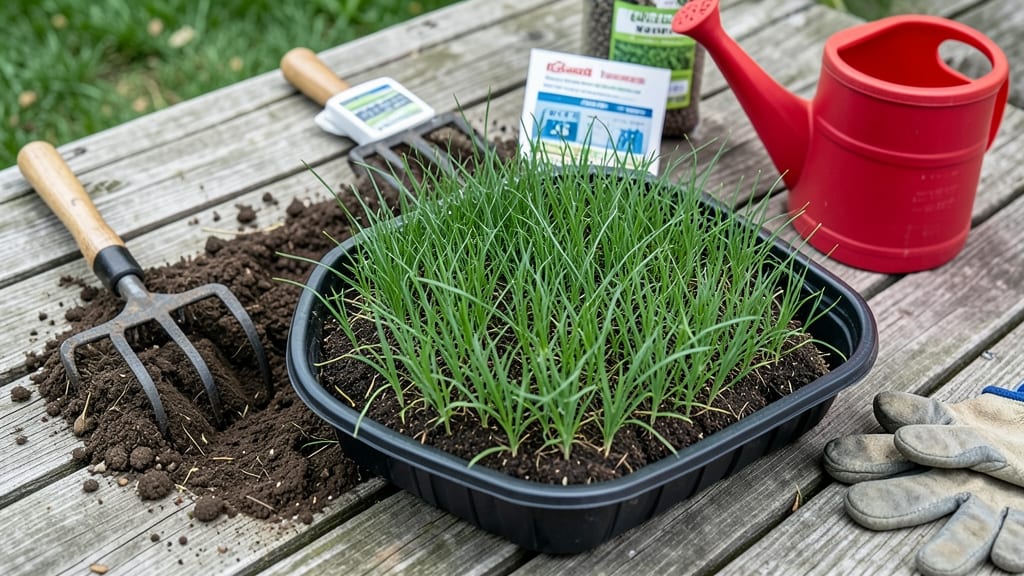
Knowing when to plant grass seed in Ohio can mean the difference between a vibrant lawn and months of frustration. Ohio’s 6a zone brings unique challenges—from unpredictable spring frost to scorching summer heat—that demand precise timing for your 🌱 seed to thrive.
Most gardeners in Ohio swear by planting in early spring or early fall, when soil temperatures hover between 50-65°F. But with frost creeping back as late as April 15 in some regions, getting the timing wrong can leave your seeds vulnerable.
The good news? With the right preparation, you can extend your planting window and give your lawn the strong start it deserves.
I’ve helped countless Ohio homeowners transform their patchy yards into lush carpets by mastering these timing secrets. We’ll cover exactly when to plant—plus how to prep your soil, choose the right grass type, and protect your investment from Ohio’s weather whims. Let’s get your lawn growing right.
Whether you’re seeding a new yard or overseeding an old one, these insights will help you avoid common mistakes and achieve that green, healthy lawn you’ve been dreaming of. Ready to dive in?
Ohio grass seed planting calendar: frost dates & soil temperature guide
Ohio’s frost-free window varies dramatically from north to south, making precise timing critical for your grass seed success. In USDA Zone 6a, most regions experience their last frost between April 15 and May 1, while the first frost typically arrives around October 15.
This leaves you with roughly 165 frost-free days—the perfect window to plant when soil temperatures are ideal.
For the best germination, aim to plant when soil temperatures consistently stay between 50-65°F. This range ensures your seeds won’t freeze or overheat, giving them the best chance to establish strong roots before summer heat sets in.
In Ohio, this usually aligns with early spring (March-April) and early fall (September-October), but exact timing depends on your specific location.
To check local conditions, use the USDA Plant Hardiness Zone Map and monitor soil thermometers or online tools like the Old Farmer’s Almanac. I always set a reminder to test my soil temperature for a full week before planting—this helps me avoid surprises from Ohio’s notorious weather shifts.
Here’s a quick reference for Ohio’s planting windows by region, including ideal soil temperatures and frost dates to help you plan:
| Region | Last Frost Date | First Frost Date | Ideal Planting Window | Soil Temp (°F) |
|---|---|---|---|---|
| Northern Ohio (e.g., Cleveland, Toledo) | April 20 - May 5 | October 10 - October 20 | April 15 - May 15, Sept 15 - Oct 10 | 50-60°F |
| Central Ohio (e.g., Columbus, Dayton) | April 10 - April 25 | October 15 - October 30 | March 30 - April 30, Sept 1 - Oct 15 | 55-65°F |
| Southern Ohio (e.g., Cincinnati, Lexington) | March 25 - April 10 | October 20 - November 5 | March 15 - April 15, Sept 10 - Oct 20 | 60-65°F |
If you’re planting in early spring, wait until the ground is workable and temperatures stay above 40°F at night. I’ve learned the hard way that rushing can lead to frost damage—always confirm your local frost dates before breaking out the seed spreader.
For fall planting, aim to finish at least 6 weeks before the first frost to allow roots to establish.
Ohio’s microclimates can also affect timing. For example, areas near lakes or rivers may have later frost dates, while inland regions can experience earlier freezes.
To account for this, I recommend planting cool-season grasses like Kentucky Bluegrass in early spring and warm-season grasses like Bermuda in late spring or early summer, when soil temperatures rise above 65°F.
Pro tip: Use a soil thermometer to verify temperatures at a depth of 2-4 inches. If your soil is too cold, wait a few more days—patience now means a thicker lawn later.
And don’t forget to test your soil pH (ideal range: 6.0-7.0) before planting, as Ohio’s clay-heavy soils often need amendments like lime or sulfur to create the perfect seedbed.
Once you’ve nailed the timing, the next step is choosing the right grass seed type for your Ohio climate. But first, let’s tackle those pre-planting prep steps to set your seeds up for success—like removing weeds, loosening compacted soil, and leveling the area for even germination.
Best grass seed types for Ohio’s climate & when to plant them
Ohio’s diverse climate means not all grass seed types thrive equally. Cool-season grasses dominate here, but some warm-season varieties can work in southern regions. The key is matching your planting window to the grass type’s growth habits—Kentucky Bluegrass and Fescue are my top recommendations for most Ohio lawns.
For cool-season grasses like Kentucky Bluegrass and Tall Fescue, aim for early spring (March-April) or early fall (September-October). These grasses germinate best when soil temps are between 50-65°F, which aligns perfectly with Ohio’s shoulder seasons.
Warm-season grasses like Bermuda or Zoysia? Those need late spring (May-June) planting when soil warms above 65°F.
Here’s the catch: Ohio’s microclimates vary dramatically. Northern counties (like Cleveland) may see frost until mid-April, while southern areas (like Cincinnati) might be frost-free by early April. Always check your local frost dates before planting—it’s the difference between success and starting over.
🌱
Cool-Season Grasses (Best for Ohio)
✅ Pros: Lush, durable, spreads quickly
❌ Cons: Needs frequent mowing, goes dormant in summer
Planting Window: March-April, Sept-Oct
✅ Pros: Drought-resistant, low-maintenance
❌ Cons: Slower spread, less dense than Bluegrass
Planting Window: April-May, Sept-Oct
Warm-Season Grasses (Southern Ohio Only)
✅ Pros: Heat-tolerant, recovers fast
❌ Cons: Goes dormant in winter, needs full sun
Planting Window: May-June
✅ Pros: Drought-resistant, soft texture
❌ Cons: Slow to establish, browns in winter
Planting Window: Late May-June
If you’re in northern Ohio, stick with cool-season grasses—they handle our winters better. Southern Ohio? You might experiment with warm-season mixes, but be prepared for winter dormancy.
Pro tip: Test your soil’s pH (6.0-7.0 ideal) before planting—Ohio’s clay-heavy soil often needs lime or sulfur adjustments for optimal growth.
For fastest germination, choose fine fescue blends if you’re seeding in fall—they establish roots before winter sets in. Spring plantings? Kentucky Bluegrass mixes germinate in 7-14 days when conditions are right. Just remember: consistent moisture is non-negotiable during those first critical weeks.
💧