
Companion Plants
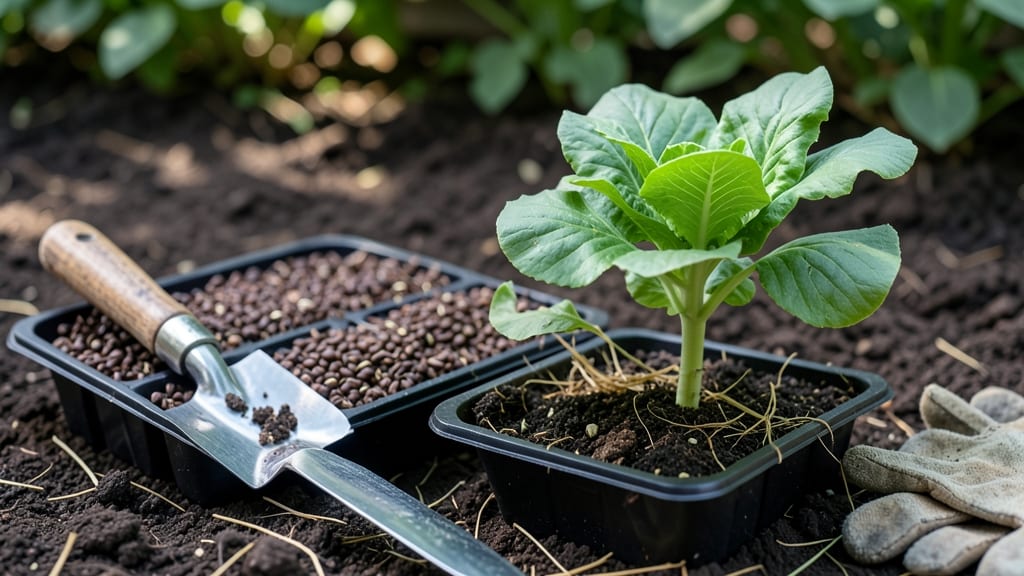
Timing your lettuce planting in Zone 6 can mean the difference between crisp, homegrown salads and wilted disappointment—here’s the exact schedule to maximize your harvest before summer heat strikes.
If you’re eager to enjoy fresh 🥬 lettuce from your garden, knowing when to plant is the key. Zone 6’s unpredictable springs and hot summers demand precision. Planting too early risks frost damage, while waiting too long can lead to bitter, bolted greens.
The ideal window? 4–6 weeks before your last frost date—typically mid-March to early April for most of Zone 6.
But here’s the trick: lettuce thrives in cooler weather, so late summer is your second chance. Aim for late August to early September to enjoy a fall harvest before the first frost hits.
This two-season strategy ensures you’re never without fresh greens, whether you’re craving a spring salad or a crisp fall side dish.
Ready to dive deeper? I’ll walk you through the exact weeks to plant, how to protect your crop from heat, and which varieties hold up best in Zone 6’s climate. Let’s get growing!

Zone 6 lettuce planting calendar: exact weeks before last frost for success
Lettuce thrives in cool weather, making Zone 6’s spring and fall seasons your best planting windows. The key is timing: plant too early, and frost will damage tender leaves; wait too long, and summer heat will cause bolting.
For most of Zone 6, your last frost date falls around mid-April, so aim to plant 4–6 weeks before that date.
In my garden, I’ve found that late March to early April is ideal for spring lettuce. This gives your greens enough time to mature before summer’s heat sets in.
For a fall harvest, late August to early September is your second chance—lettuce planted now will mature before the first frost in mid-October.
But timing isn’t one-size-fits-all. Northern Zone 6 (like Chicago or Minneapolis) may need to plant 1–2 weeks later than Southern areas (like Atlanta or Nashville). Always check your local USDA frost map for precision.
Now, let’s break down the exact planting schedule, including soil temperature tips and variety recommendations to maximize your harvest.
🥬 Zone 6 Lettuce Planting & Harvest Timeline
| Season | Planting Window | Soil Temp (°F) | Days to Harvest | Best Varieties |
|---|---|---|---|---|
| Spring | Late March–Early April | 45–55°F | 30–50 days | Buttercrunch, Romaine, Bibb |
| Fall | Late August–Early September | 50–60°F | 28–40 days | Black Seeded Simpson, Oakleaf, Looseleaf |
| Late Summer (Succession) | Mid-July–Early August | 55–65°F (shaded) | 35–45 days | Jericho, Winter Density |
💡 Pro Tip: Use a soil thermometer to confirm temps—lettuce roots struggle below 45°F or above 75°F.
For spring plantings, butterhead and romaine varieties like Buttercrunch or Parris Island Romaine are my top picks. They mature quickly (about 45–50 days) and handle Zone 6’s cooler springs well. In fall, looseleaf varieties like Black Seeded Simpson bolt less easily and thrive in the mild autumn temperatures.
If you’re planting in late summer to extend your season, opt for heat-tolerant varieties like Jericho or Winter Density. These can handle warmer soil temps (up to 65°F) if given afternoon shade. I’ve had great success with these in shaded raised beds during July.
One common mistake? Waiting until May to plant. By then, Zone 6’s heat is relentless, and lettuce bolts faster than you can say “salad.” Instead, succession plant every 2 weeks from March to August for a continuous harvest. This way, you’ll always have fresh greens—no gaps!
Finally, don’t forget to harden off seedlings before transplanting. Acclimate them to outdoor conditions over 7–10 days to prevent shock. In my experience, this small step doubles your survival rate.
How to extend lettuce season in Zone 6: shade, succession planting, and cold protection tips
Zone 6’s summers can turn your lettuce into bitter, bolted disappointment faster than you can say “salad.” But with the right strategies, you can extend your harvest window by 3–4 months.
The secret? Shade, succession planting, and cold protection—three tactics that keep your greens crisp and delicious long after spring’s last frost.
First, let’s talk shade solutions. Lettuce bolts when soil temps rise above 75°F, and Zone 6 summers often push temps well beyond that. I’ve found that 30–50% shade cloth over rows can drop soil temps by 10–15°F, buying you extra weeks of growth.
For late-summer plantings, I use removable shade frames (like hoop houses with shade fabric) to protect seedlings while still allowing light.
Another game-changer? Succession planting every 2 weeks from March through August. This ensures a continuous harvest instead of one big crop that bolts all at once. For example, I’ll sow a batch in late March, another in mid-April, and keep going until early July.
Each batch gets 30–40 days of ideal growing conditions before the next one takes over.
🌿 Top 5 Ways to Extend Lettuce Season in Zone 6
- Use shade cloth (30–50%) to block afternoon sun during summer months.
- Plant succession crops every 2 weeks from March to August.
- Choose heat-tolerant varieties like Jericho or Black Seeded Simpson.
- Apply row covers for light frost protection in early spring/fall.
- Mulch heavily to keep soil temps below 75°F and retain moisture.
✂️ Pro Tip: Harvest outer leaves first to encourage regrowth and delay bolting.
For early spring and fall protection, I swear by floating row covers. These lightweight fabrics let in 90% of light while shielding seedlings from light frosts (28–32°F). In my garden, they’ve let me plant 2–3 weeks earlier in spring and extend fall harvests by 4 weeks. Just
Don’t overlook mulching either. A 2–3 inch layer of straw or shredded leaves keeps soil temps stable and reduces watering needs. I’ve seen mulched beds stay 5–10°F cooler than bare soil, which is a lifesaver during Zone 6’s hot, dry summers. Plus, it suppresses weeds—another bonus!
Finally, late-summer varieties like Winter Density or Winterbow are bred to handle warmer temps and shorter days. I plant these in mid-July under shade cloth, and they’ll give me harvests through October without bolting. Pair them with daily watering (lettuce roots are shallow!) and you’ve got a foolproof fall crop.
With these tricks, you can enjoy fresh lettuce from March through November—no gaps, no bolting, just crisp greens straight from your garden. The key is planning ahead and adapting as the seasons shift. Trust me, your taste buds will thank you!