
Companion Plants
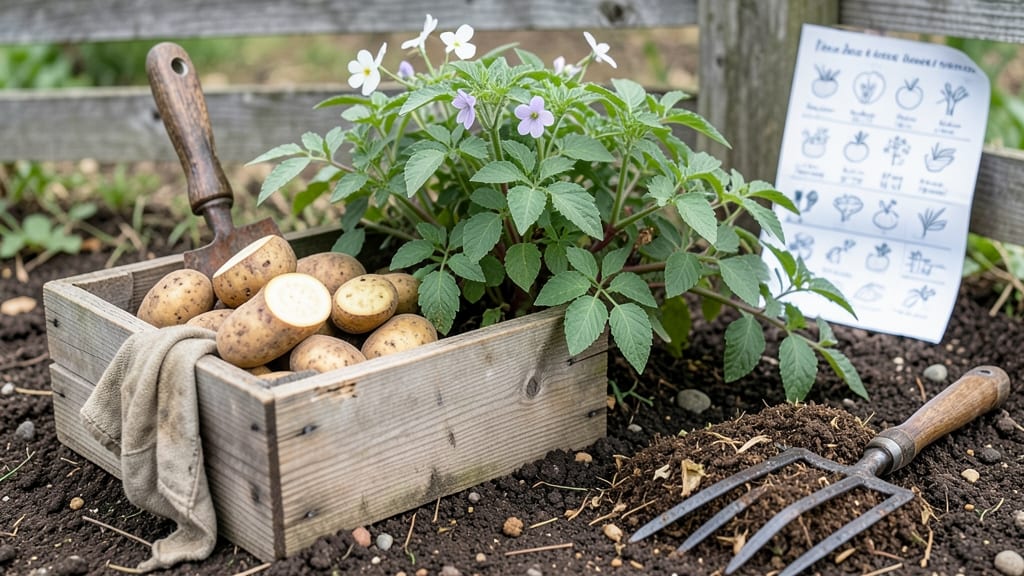
If you're asking "when can I plant potatoes in Ohio", the answer isn't just about the calendar—it's about dodging frost, warming soil, and picking the perfect variety for your zone.
Ohio's 6a climate means timing is everything, and planting too early or late can turn your 🥔 dreams into a sad, frost-nipped disappointment.
Most gardeners here wait until soil temperatures hit 45°F—usually between mid-March and mid-April—but that's just the start. Whether you're growing early varieties like 'Yukon Gold' or late-season 'Kennebec,' the right window depends on your last frost date and how quickly you want those spuds in your kitchen.
Here's what you need to know: Ohio's unpredictable springs demand flexibility. We'll break down the best planting windows for your specific zone, how to use cold frames for early starts, and which varieties thrive in Ohio's humid summers.
No more guesswork—just a foolproof plan for a harvest that'll make your neighbors jealous.
Ready to dig in? Let's get your potatoes in the ground at the perfect moment, so you're harvesting new potatoes in summer and storing spuds through winter. Your future meals—and your garden's success—depend on it.
Ohio planting zones & frost-free deadlines for potatoes
Ohio spans USDA hardiness zones 5b through 7a, meaning your exact planting window depends on whether you're in southern Ohio (zone 7) or the northern border (zone 5).
The average last frost date ranges from mid-April in the south to late April in the north, but don't rely on averages—watch for consistent 45°F soil temps to trigger germination.
For zone 6a (central Ohio), the sweet spot is mid-March to early April—planting too early risks frost damage, while waiting too long shortens the growing season.
In zone 7 (southwest Ohio), you can start as early as late February with cold frames, while zone 5 (northeast Ohio) gardeners should wait until early to mid-April.
Here's the critical rule: Plant seed potatoes 4-6 weeks before your last frost date. This gives young plants time to establish roots before summer heat arrives. For example, if your last frost is April 15, aim for planting between March 15 and April 1.
Soil temperature matters more than calendar dates. Use a soil thermometer—potatoes won't sprout until soil hits 45°F (7°C). In Ohio's variable climate, this can mean planting in early March in warm years or waiting until April in cooler springs.
🌱 Pro Tip: Test your soil's drainage first. Potatoes rot in soggy soil—amend heavy clay with compost or plant in raised beds if needed.
For successive planting, Ohio gardeners can plant early varieties every 2 weeks through mid-May. This stretches your harvest from summer to fall, ensuring fresh potatoes all season. Just remember: late plantings won't mature fully—stick to early varieties like 'Red Pontiac' if extending your window.
🌡️ Warning: Planting too early in cold soil can cause rot. If your soil is below 45°F, wait—even if it's March. Use black plastic mulch to warm soil faster if needed.
Ohio's humid summers demand quick-growing varieties. Aim for 90-day maturity or less in northern zones, while southern Ohio can handle 110-day varieties. The key is matching your planting date to the variety's days to maturity and your first frost date.
📅 Action Plan: Mark your calendar for 4-6 weeks before last frost, test soil temperature, and prep your beds. Ohio's unpredictable weather means flexibility—be ready to adjust your planting date by 1-2 weeks based on actual conditions, not just the calendar.
Best potato varieties for Ohio gardens by maturity timeline
Ohio’s humid summers and variable frost dates mean not all potato varieties thrive equally. The best choices depend on your planting window and whether you want early new potatoes, mid-season storage spuds, or late-season keepers.
Early varieties like 'Red Norland' mature in just 70-80 days, perfect for Ohio’s short growing season in northern zones.
For central Ohio (zone 6a), prioritize 90-day varieties like 'Yukon Gold'—their creamy texture and disease resistance make them a favorite. In southern Ohio (zone 7a), you can stretch to 110-day varieties like 'Kennebec', ideal for late-summer harvests.
Always check seed packets for days to maturity and adjust planting dates accordingly.
🌱 Key Consideration: Ohio’s wet summers demand blight-resistant varieties. Look for labels like 'Early Gold' or 'Kennebec'—these handle humidity better than standard Russets. If your soil stays soggy, opt for raised beds or container growing to prevent rot.
💡 Variety Hack: Plant 'Red Pontiac' (80 days) in successive batches every 2 weeks. This gives you new potatoes in July and storage spuds in September—perfect for Ohio’s short season. For container gardening, choose 'Early Gold' or 'Fingerlings'—their compact size thrives in 5-gallon buckets.
Ohio’s late-summer humidity can stress potatoes, so avoid long-day varieties like 'Russet Burbank' unless you’re in zone 7. Instead, focus on short-season, disease-resistant types that mature before Ohio’s first September frosts. Always rotate crops to prevent soil-borne diseases.
📅 Planting Calendar Tip: If you live in northern Ohio (zone 5b), stick to early varieties planted by April 15. Southern Ohio gardeners can push to May 1 with 110-day varieties, but monitor blight forecasts—Ohio’s wet summers demand vigilance.