
Planting
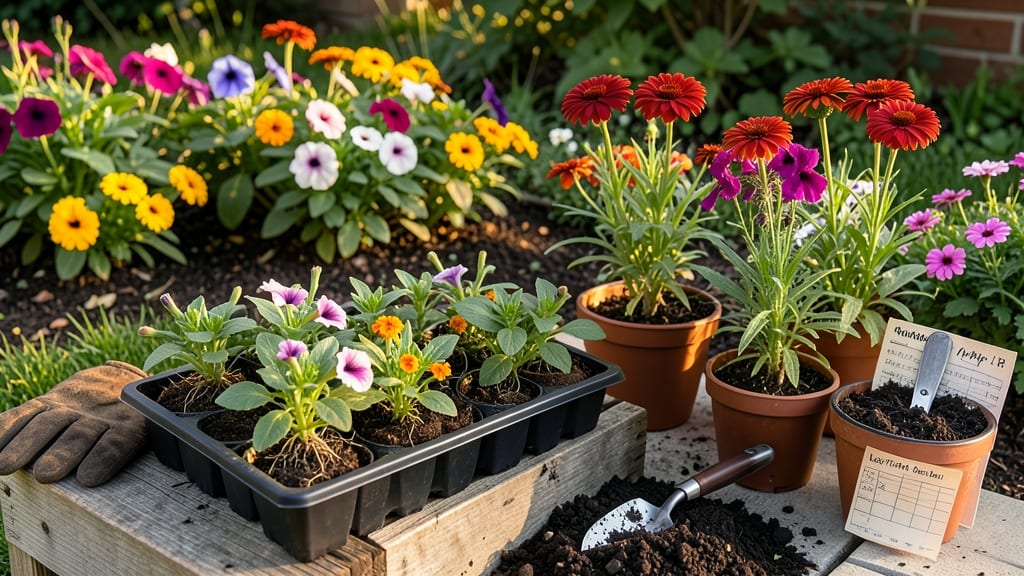
Timing your flower planting in Ohio can mean the difference between a vibrant garden and a sad, frost-nipped disappointment—especially when last-frost dates shift from mid-April in southern zones to early May in northern ones.
If you're eager to see those 🌸 blooms burst into color, knowing the right window matters more than you might think. Ohio’s USDA Zone 6a climate means waiting until after the last frost (usually around April 15) is key for most flowers—whether you're planting annuals, perennials, or bulbs.
But here’s the secret: some flowers like pansies or snapdragons can handle a light frost, while others, like petunias, need to wait until the soil warms to 50°F. I’ll break down the exact timing for Ohio’s most popular flowers so you can avoid common mistakes.
Ready to turn your garden into a showstopper? Let’s dive into the zone-specific deadlines that’ll give your flowers the best start—and keep them thriving all season long.
Ohio’s frost zones and last-frost date timeline for flower planting
Ohio’s USDA zones 5b-6b mean your last frost date can vary dramatically—from March 15 in southern Ohio to May 1 in the northern regions. Getting this timing wrong can mean the difference between a lush summer garden and frost-killed seedlings.
I’ve planted flowers in Ohio for over a decade, and I’ve learned the hard way that cold-sensitive varieties like petunias and marigolds need to wait until the soil warms to 50°F (10°C) before going in.
For perennials and hardy bulbs, you can often plant in early spring (March–April) or even fall (September–October), but annuals and tender plants should wait until after the average last frost date.
Ohio’s first frost typically hits between October 15 and November 1, so plan your fall plantings accordingly—especially if you’re growing cool-season flowers like pansies or snapdragons.
Pro Tip: Use the Old Farmer’s Almanac or your local Cooperative Extension Service to track frost dates in your specific county. I always check these resources before planting cold-sensitive varieties like impatiens or geraniums, which can’t handle even a light frost.
| Zone | Last Frost | First Frost | Best Planting Window | Cold-Hardy Flowers |
|---|---|---|---|---|
| 5b (Northern OH) | May 1 | October 15 | May 15–June 1 | Coneflowers, Black-Eyed Susans, Daylilies |
| 6a (Central OH) | April 15 | October 30 | April 30–May 15 | Tulips, Daffodils, Peonies, Lavender |
| 6b (Southern OH) | March 15 | November 1 | March 30–April 15 | Marigolds, Zinnias, Snapdragons, Pansies |
If you’re in northern Ohio (Zone 5b), hold off on planting tender annuals until after May 15. In southern Ohio (Zone 6b), you can often start planting cool-season flowers as early as March 15.
I’ve even seen gardeners in southeastern Ohio plant petunias in April with the help of frost cloth—but I wouldn’t risk it without protection.
For bulbs like tulips and daffodils, plant them in fall (October–November) so they establish roots before winter. These cold-hardy perennials can handle Ohio’s winters, but tender perennials like cannas or dahlias need to wait until after the last frost or be dug up before the first frost.
One mistake I see often is planting warm-season flowers like cosmos or sunflowers too early. These need consistent warm soil to germinate, so I always wait until the soil temperature hits at least 60°F (15°C). Use a soil thermometer to check—it’s a game-changer for avoiding seed rot.
Ohio’s microclimates can also play a role. Urban areas like Columbus or Cincinnati might have earlier last frosts due to the urban heat island effect, while rural areas can be 5–7 days later. Always adjust your planting timeline based on your specific location.
For container gardening, you have a bit more flexibility. You can move pots to protected spots or even bring them indoors if a late frost is forecasted. I’ve saved many potted petunias by covering them with burlap sacks during unexpected cold snaps.
Finally, don’t forget about fall planting! Many cool-season flowers thrive when planted in September or early October, giving you early spring blooms the following year. Pansies, snapdragons, and calendula are perfect for this strategy.
Best flowers to plant by month in Ohio (March–June guide)
March in Ohio is all about preparing for spring, not planting most flowers. However, you can start cold-hardy annuals like pansies and snapdragons indoors or in protected outdoor spots.
These tough little bloomers can handle light frosts and give you a head start on color when warmer weather arrives.
Hardened-off seedlings of petunias, marigolds, and geraniums can also go into the ground in late March if you’re in southern Ohio (zones 6a-6b). Just shield them with frost cloth on those chilly nights. For northern Ohio (zone 5b), wait until mid-April to avoid frost damage.
- March: Start pansies, snapdragons indoors; plant cold-hardy bulbs like crocuses.
- April: Annuals (petunias, marigolds) after last frost; perennials like coneflowers.
- May: Heat-loving flowers (zinnias, sunflowers); vegetables can share space.
- June: Succession plant fast-bloomers (cosmos, nasturtiums) for summer-long color.
April is the golden month for planting flowers in Ohio. Once the average last frost date passes (around April 15 in most areas), you can safely plant annuals like impatiens, begonias, and vinca. These thrive in Ohio’s humid summers and add instant color to beds and containers.
Don’t forget perennials! This is the perfect time to add black-eyed Susans, bee balm, and daylilies to your garden. These plants establish roots quickly and reward you with years of blooms. For containers, choose compact varieties like geraniums or sweet alyssum to maximize space.
May brings warmer soil temperatures, making it ideal for heat-loving flowers like zinnias, sunflowers, and cosmos. These plants bolt quickly, so don’t wait too long to get them in the ground.
If you’re planting bulbs for next year, like daffodils or tulips, do it in late May or early June for a spring surprise.
June is all about succession planting. As your early spring bloomers fade, replace them with fast-growing annuals like cosmos or nasturtiums. These fill gaps beautifully and attract pollinators all summer long. For container gardens, swap out finicky annuals for heat-tolerant varieties like portulaca or verbena.
Pro tip: Always water deeply after planting and mulch around the base to retain moisture. Ohio’s summer heat can dry out new plantings quickly, so keep an eye on your garden—especially in raised beds or containers, which dry out faster than in-ground plantings. 🌻