
Flowers
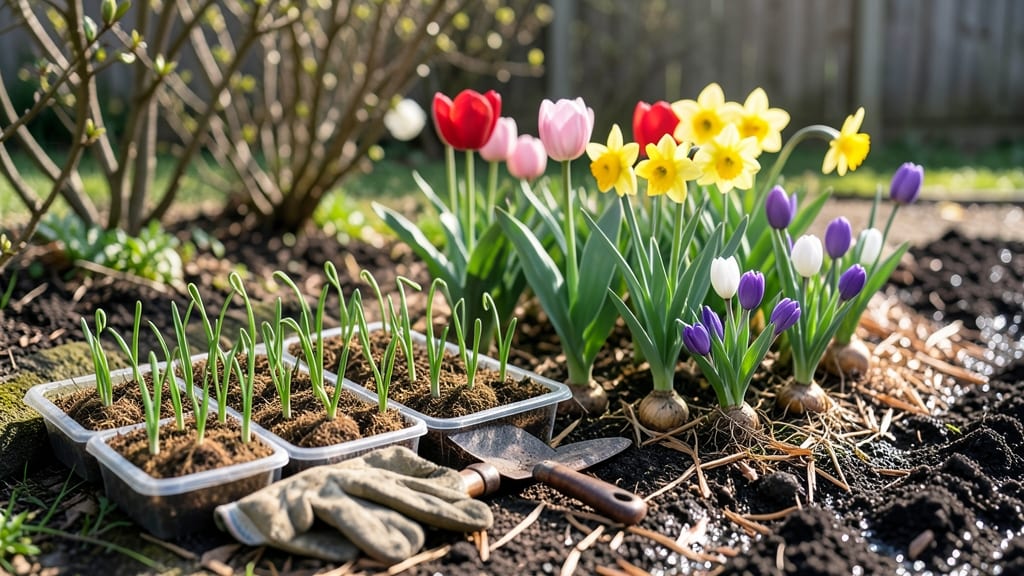
The perfect timing for planting Spring Flowers (General) 🌸 can make the difference between a garden bursting with color and one that struggles to take root. Getting it right means avoiding frost damage while giving your blooms the best start—so when exactly should you be digging in?
Most gardeners wait until after the last frost date, but the exact window depends on your USDA zone and the type of flowers you're planting.
In Zone 6a, where many gardeners live, the ideal time is typically April to early May, once soil temperatures hit at least 50°F. But what if you're in a warmer or cooler region?
This guide will break down the exact weeks before your last frost date to plant, whether you're growing frost-tender annuals or hardy perennials. You'll also discover how to adjust for microclimates, like urban heat islands or high-elevation gardens, so you can plant with confidence—no more guessing games!
Ready to transform your garden into a vibrant display? Let’s dive into the precise timing and tips that will ensure your Spring Flowers (General) thrive from the very first bloom.
Exact weeks before last frost for planting spring flowers by USDA zone
Planting spring flowers at the right time ensures they establish strong roots before summer heat arrives. The last frost date is your starting point, but the exact window varies by USDA zone and flower type.
In colder zones (3-5), you’ll plant 4-6 weeks before the average last frost, while warmer zones (8-10) may wait until 2-4 weeks before.
Frost-tender flowers like petunias or geraniums need warmer soil, so wait until soil temperatures reach 55°F (13°C). Hardy perennials like tulips or daffodils can handle cooler soil and even light frost. Below is a zone-specific guide to help you pinpoint the perfect planting window.
🌱 Planting Timeline by USDA Zone
| USDA Zone | Weeks Before Last Frost | Ideal Planting Month | Soil Temp Requirement | Example Flowers |
|---|---|---|---|---|
| Zones 3-4 | 4-6 weeks | Late April - Early May | 45-50°F (7-10°C) | Tulips, Daffodils, Peonies |
| Zones 5-6 | 3-5 weeks | Mid-April - Late May | 50-55°F (10-13°C) | Marigolds, Snapdragons, Pansies |
| Zones 7-8 | 2-4 weeks | March - Early April | 55-60°F (13-16°C) | Petunias, Impatiens, Zinnias |
| Zones 9-10 | 1-2 weeks | February - March | 60-65°F (16-18°C) | Geraniums, Coleus, Begonias |
🌡️ Pro Tip: Use a soil thermometer to confirm temperatures match your zone's requirements.
If you’re in Zone 6a, like many gardeners, aim to plant 3-4 weeks before your last frost date—typically mid-April to early May. For example, if your last frost is May 15, plant petunias or marigolds by April 15 to give them time to establish roots.
For cool-season flowers like pansies or snapdragons, you can even start 6-8 weeks before the last frost in colder zones. These hardy varieties tolerate light frost and may even bloom earlier. In contrast, warm-season flowers like zinnias or cosmos should wait until soil is fully warmed.
Always check your local extended weather forecast for late-season frost warnings. A sudden cold snap can devastate young seedlings, so have row covers or cloches ready to protect tender plants if needed. Even a single night below 32°F (0°C) can damage emerging shoots.
Another key factor is soil preparation. Amend your soil with compost or aged manure 2-3 weeks before planting to improve drainage and fertility. Well-draining soil prevents root rot, especially for frost-sensitive flowers like impatiens or begonias, which wilt quickly in soggy conditions.
In warmer zones (9-10), you can plant annuals like geraniums as early as February, but avoid planting too soon—overly warm soil can cause seeds to germinate too quickly, leading to leggy, weak seedlings. Aim for 60-65°F (16-18°C) soil for optimal germination.
For perennials, timing matters less for establishment but still impacts first-year blooms. Plant peonies or daylilies in early spring (Zones 3-5) or early fall (Zones 6-10) to avoid summer stress. Perennials benefit from a longer root-development period, so don’t rush their planting.
Finally, remember that microclimates can shift your planting window by 1-2 weeks. A south-facing slope warms up faster than a north-facing bed, while urban areas may experience heat islands that delay frost. Adjust your timing based on your garden’s unique conditions.
How to adjust planting time based on microclimate and flower type
Your USDA zone gives you a great starting point, but microclimates and flower types can shift your planting window by 1-3 weeks. For example, a south-facing bed warms up faster than a shady corner, while annuals like marigolds thrive in cooler soil than tropical flowers like begonias.
Understanding these factors helps you avoid common mistakes, like planting too early and risking frost damage or too late and missing peak blooms.
Start by identifying your garden’s unique conditions. Urban areas often experience heat islands, where pavement and buildings trap warmth, delaying frost. In these spots, you might plant 2 weeks earlier than the zone average.
Conversely, high-elevation gardens (even in Zone 6) can have cooler soil for weeks longer, requiring a later planting window. Use a soil thermometer to confirm when temperatures align with your flowers’ needs.
Next, consider whether you’re planting annuals or perennials. Annuals like zinnias or cosmos need warmer soil (60°F+) to germinate quickly, while perennials like daylilies tolerate cooler soil and can be planted 4-6 weeks before the last frost.
Even within annuals, cool-season varieties (e.g., pansies) handle light frost, while warm-season varieties (e.g., petunias) need consistent warmth.
🌡️ Key Adjustments for Microclimates & Flower Types
- 🌞 Sun Exposure: South-facing beds warm 1-2 weeks faster than north-facing spots. Plant heat-lovers (e.g., geraniums) here first.
- 🏙️ Urban Heat Islands: Cities can delay frost by 10-14 days. Check local weather for adjusted frost dates.
- ⛰️ Elevation: Every 1,000 ft gain adds ~3°F cooler soil. Plant 2-3 weeks later in high-altitude gardens.
- 🌱 Annuals vs. Perennials: Annuals need warmer soil (60°F+); perennials tolerate cooler soil (50°F+).
- 🌧️ Rainfall Patterns: Wet springs? Amend soil with compost to prevent soggy roots. Dry springs? Mulch to retain moisture.
⚠️ Pro Tip: Group similar flowers together in your garden to create microclimates that suit their needs.
Don’t overlook soil warmth—it’s the #1 factor for successful germination. Use a soil thermometer (available for ~$10) to test temperatures at 4-inch depth. For warm-season flowers, wait until soil hits 60°F (16°C); for cool-season flowers, 50°F (10°C) is ideal.
If your soil runs cold, try black plastic mulch to warm it up 2-3 weeks faster.
Another trick is to stagger your planting. Sow 1/3 of seeds 2 weeks before your target date, 1/3 on the target date, and 1/3 2 weeks after. This ensures a continuous bloom cycle and reduces the risk of losing all your plants to a single frost event.
For example, plant marigolds in three batches over 4 weeks in Zone 6a for non-stop color from June to October.
Finally, watch for local signs that override the calendar. If dandelions are blooming vigorously or robins have returned, your microclimate is likely warmer than average. Conversely, if tree buds are still tight and ants haven’t emerged, hold off planting frost-sensitive flowers like impatiens.
These natural cues often align better with soil conditions than frost dates alone.
Adjusting for microclimates and flower types might feel like extra work, but it’s the secret to longer blooms and healthier plants. Start with small test patches in different spots of your garden, and use what you learn to fine-tune your planting schedule each year.
With practice, you’ll develop an intuitive sense for when your garden is truly ready—no frost date required.