
Plants
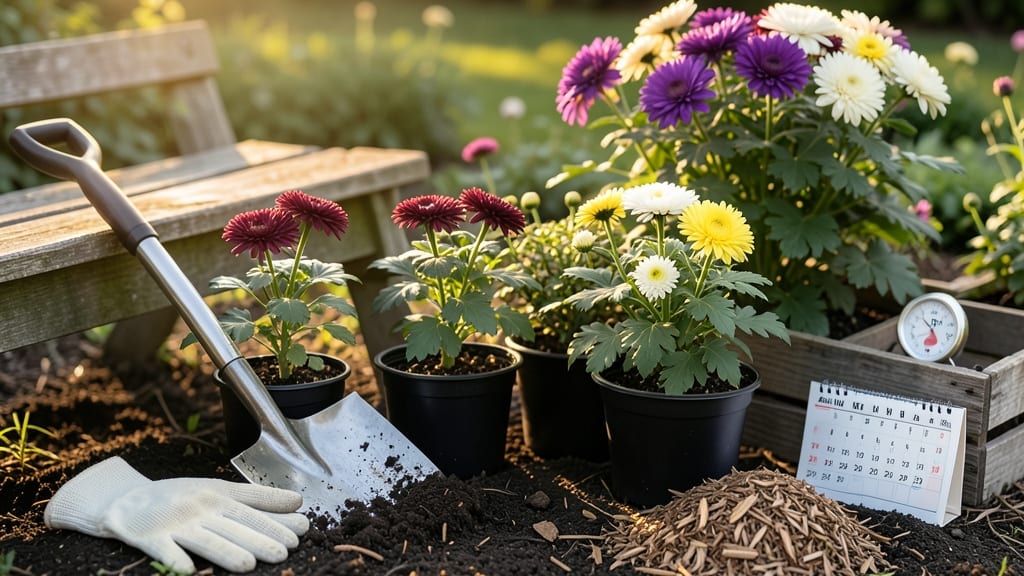
If you're dreaming of a showstopping fall garden filled with vibrant 🌼 chrysanthemums, the secret to success starts with knowing when can you plant mums in the ground.
Timing your planting just right ensures lush blooms and strong growth—plant too early or too late, and you risk weak roots or frost-damaged flowers.
For most gardeners in USDA Zone 6a (like where I live), the ideal time to plant mums is 4-6 weeks before your first frost—typically between late August and early September.
This gives your plants enough time to establish deep roots before winter sets in, so they’ll burst into color when fall arrives.
But here's the thing: not all mums are created equal. Some varieties bloom earlier, while others need more time to root before cold weather hits. I'll break down exactly how to match your mum types to your local frost dates, so you never plant too early or too late again.
Ready to transform your yard into a fall masterpiece? Let's dive into the perfect planting timeline for your region, plus pro tips to extend your window and keep those blooms thriving all season long.
Optimal planting dates for mums by USDA hardiness Zone
Planting mums at the right time ensures they establish roots before winter sets in. The 4-6 week window before your first frost date is ideal—this gives them enough time to grow but avoids the heat stress of summer planting.
For example, in Zone 5, aim for late August, while Zone 9 gardeners can plant as late as October. The key is balancing soil warmth and cooling temperatures.
Mums thrive in 60-75°F soil temperatures, which is why late summer to early fall is perfect. If you plant too early, they may bolt (send up flower stems prematurely), and planting too late risks frost damage before they root.
Always check your local frost dates—the USDA Plant Hardiness Zone Map is your best friend here. For instance, Zone 3 has a much shorter growing season than Zone 10, so timing adjustments are critical.
Here’s how to match your zone to the perfect planting window:
| USDA Zone | Ideal Planting Window | Soil Temp Threshold | Notes |
|---|---|---|---|
| Zones 3-4 | Late August - Early September | 55-65°F | Short season; use cold-hardy varieties like 'Autumn Joy'. |
| Zones 5-6 | Mid-August - Late September | 60-70°F | Flexible window; avoid planting after mid-September. |
| Zones 7-8 | Early August - Early October | 65-75°F | Heat-tolerant varieties like 'Purple Dome' thrive here. |
| Zones 9-10 | July - Mid-October | 70-80°F | Longer window; plant in partial shade to avoid heat stress. |
Regional variations matter too. In the South, where summers linger, mums can handle slightly later plantings, while the North demands earlier starts. For example, Zone 7 gardeners in Georgia might plant in early August, but those in Michigan should wait until late August.
Always factor in microclimates—a sunny, sheltered spot may extend your window by a week or two.
If you’re unsure about your frost date, use the National Oceanic and Atmospheric Administration (NOAA) or your local Cooperative Extension Service for precise data. These resources provide historical averages and can help you plan with confidence.
Pro tip: Mark your calendar 4-6 weeks before your average first frost and set a reminder to plant!
For container-grown mums, the rules are slightly different. These plants can handle a 1-2 week later start because their roots are already established. However, they still need time to acclimate to outdoor conditions.
Harden them off by placing them outside for gradual exposure (starting with 2-3 hours/day) for 7-10 days before planting.
One common mistake is planting mums too early, especially in hot climates. When soil temps exceed 80°F, mums struggle to establish roots and may wilt or bolt.
If you’re in a Zone 10 area, opt for heat-tolerant varieties like 'Bonanza' or plant in partial shade to protect them from afternoon sun.
Finally, don’t forget to prep your soil before planting. Mums prefer well-draining, slightly acidic soil (pH 6.0-6.5). Amend heavy clay or sandy soil with compost or peat moss to improve drainage and fertility. A slow-release fertilizer at planting time gives them a nutrient boost without risking overgrowth.
With the right timing and prep, your mums will reward you with vibrant fall blooms that last well into winter in milder climates. The key is patience and precision—stick to your zone’s window, and you’ll be golden. 🌼
How to choose mum varieties for your last frost date
Selecting the right chrysanthemum variety is just as critical as timing—some bloom earlier, others later, and heat tolerance varies wildly. Autumn Joy thrives in cooler climates, while Purple Dome handles Southern heat better. Match your mum to your last frost date to ensure vibrant blooms before winter sets in.
Early-blooming varieties like 'Bonanza Series' need planting 8-10 weeks before frost to establish roots and flower. Late bloomers such as 'Dakota Gold' can wait until 4-6 weeks out, giving you flexibility in shorter growing seasons.
🌼
| Variety | Bloom Time | Heat Tolerance | Planting Window |
|---|---|---|---|
| Autumn Joy | Late September-October | Moderate | 6-8 weeks before frost |
| Purple Dome | September-October | High | 4-6 weeks before frost |
| Snowball | Mid-September | Low | 7-9 weeks before frost |
| Bonanza Series | Early September | Moderate | 8-10 weeks before frost |
| Dakota Gold | Late September-October | High | 4-6 weeks before frost |
For Zone 3-5 gardeners, prioritize early bloomers like 'Autumn Joy'—they need the extra time to root before winter. In Zones 7-10, heat-tolerant varieties such as 'Purple Dome' can handle later planting and still deliver stunning fall color.
Pro tip: Check your local nursery's mum variety tags for days-to-bloom estimates. This helps fine-tune your planting schedule based on your specific last frost date and desired bloom time.
🌿