
Plants
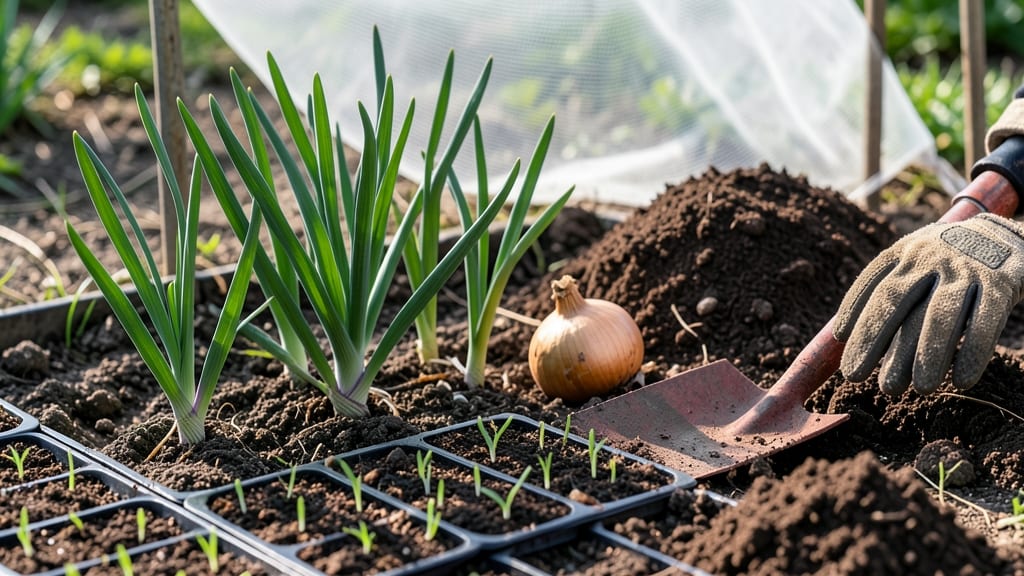
Timing your 🧅 onion planting in Ohio isn’t just about avoiding frost—it’s about unlocking the perfect harvest window. Plant too early, and you risk losing tender seedlings to late frosts; too late, and your bulbs may never reach their full potential.
The Zone 6a climate gives you two prime opportunities: spring and fall, each with its own sweet spot for success.
For spring plantings, the magic happens 4-6 weeks before your last frost date—typically between March and early April. This gives your onions enough time to establish roots before temperatures climb.
Meanwhile, fall plantings offer a second chance, with August to September being ideal for varieties that mature quickly before winter sets in.
But here’s the catch: Ohio’s unpredictable weather means you’ll need to adjust based on your specific region. Whether you’re in Columbus, Cincinnati, or Cleveland, knowing your last frost date and soil temperature is the key to avoiding common mistakes and maximizing your yield.
I’ll walk you through the exact planting windows, the best onion varieties for Ohio’s climate, and pro tips to extend your growing season—so you can enjoy homegrown onions from spring through fall without the guesswork.
Ohio onion planting calendar: exact dates for Zone 5a-6b success
Ohio’s Zone 5a-6b climate means your onion planting window hinges on frost dates and soil temperatures. For most of the state, the last spring frost typically falls between April 15–May 1, while the first fall frost arrives around October 15.
These dates create two critical planting windows: spring (March–April) and fall (August–September).
Timing matters because onions need 120–150 days to mature. Plant too early, and frost will damage tender seedlings. Too late, and your harvest won’t ripen before cold snaps.
Ohio’s microclimates (e.g., Columbus vs. Cleveland) can shift these dates by 1–2 weeks, so always check your local USDA frost map for precision.
Most Ohio gardeners focus on spring planting because it yields the largest bulbs. However, fall planting works for short-day varieties like ‘Texas Early White’ or ‘Red Baron,’ which mature faster in cooler weather. Below, I’ve broken down the exact windows for both seasons, including soil temperature thresholds and regional adjustments.
🌱
For spring planting, I recommend starting with onion sets (pre-grown bulbs) in early March if your soil is workable. Sets are easier for beginners and sprout faster than seeds.
If you’re sowing seeds, begin them indoors in late February to transplant outdoors after the last frost. Soil temperature is critical—wait until the ground reaches at least 45°F (7°C) to avoid rot.
Fall planting is trickier but rewarding. Ohio’s shorter days in late summer trigger bulb formation in short-day varieties. Aim to harvest before the first frost, typically by mid-October.
Use row covers or straw mulch to protect plants if frost threatens early. Avoid long-day varieties like ‘Sweet Spanish’ for fall—they’ll bolt (flower) instead of bulbing.
Pro tip: Test your soil pH (ideal range: 6.0–7.0) before planting. Ohio’s clay-heavy soils often need compost or aged manure to improve drainage. Amend beds in fall or early spring to give roots a head start.
🌿
Regional adjustments are key. In northern Ohio (e.g., Cleveland, Toledo), wait until mid-April for spring planting due to later frosts. In southern Ohio (e.g., Cincinnati, Dayton), you can plant as early as late February if using row covers.
Always monitor your local Almanac frost predictions—they’re updated weekly and account for Ohio’s unpredictable weather patterns.
Finally, don’t forget succession planting. Sow a second batch of seeds 4–6 weeks after your first planting to stagger harvests from July through September. This ensures a steady supply of fresh onions for your kitchen—no gaps in your supply chain!
✂️
How to extend Ohio’s onion growing season: cold-hardy varieties and protection tips
Ohio’s Zone 5a-6b climate offers a longer onion-growing window than most gardeners realize. While spring planting gets all the attention, fall plantings can yield just as sweet—if you choose the right cold-hardy varieties and protect your crop from early frosts.
The key is selecting onions that mature quickly and using simple tricks like row covers or mulch to shield tender seedlings.
For fall plantings, aim to sow seeds or sets between mid-August and early September. This gives your onions enough time to establish roots before winter sets in.
Varieties like ‘Texas Early White’ or ‘Yellow Sweet Spanish’ are perfect for Ohio—they mature in just 90-100 days, making them ideal for late-season harvests. These varieties also handle cooler temperatures better than their long-day counterparts.
But what if you want to push your planting window even further? With a little extra protection, you can plant onions as early as late February or as late as early October.
The trick is using floating row covers or black plastic mulch to warm the soil and shield young plants from frost. Raised beds also help, as they warm up faster in spring and drain better in wet Ohio winters.
✅ Extending Your Onion Growing Season: Pros and Cons
Pros: Longer harvest window, fewer pests.
Cons: Risk of frost damage, slower growth.
Pros: Avoids summer heat, fewer weeds.
Cons: Shorter daylight = smaller bulbs.
Pros: Protects from frost, warms soil.
Cons: Requires setup, may trap moisture.
If you’re planting in late spring (May-June), focus on short-day varieties like ‘1015Y Yellow’ or ‘Red Baron’. These types thrive in Ohio’s shorter summer days and still produce bulbs by July or August.
Just be prepared to water consistently—Ohio’s summer heat can dry out soil quickly, especially in raised beds or containers.
For gardeners in northern Ohio (Zone 5a), like those in Cleveland, add an extra layer of straw mulch (4-6 inches) around onion plants in fall. This insulates the soil and keeps roots from freezing.
In southern Ohio (Zone 6b), like Cincinnati, you can afford to plant slightly later—even mid-October for a late harvest—thanks to milder winters.
Remember, the goal is balance: protect your onions just enough to extend the season without inviting pests or diseases. A little planning now means fresh onions on your table from spring through fall—no grocery store needed! 🌱