
Plants
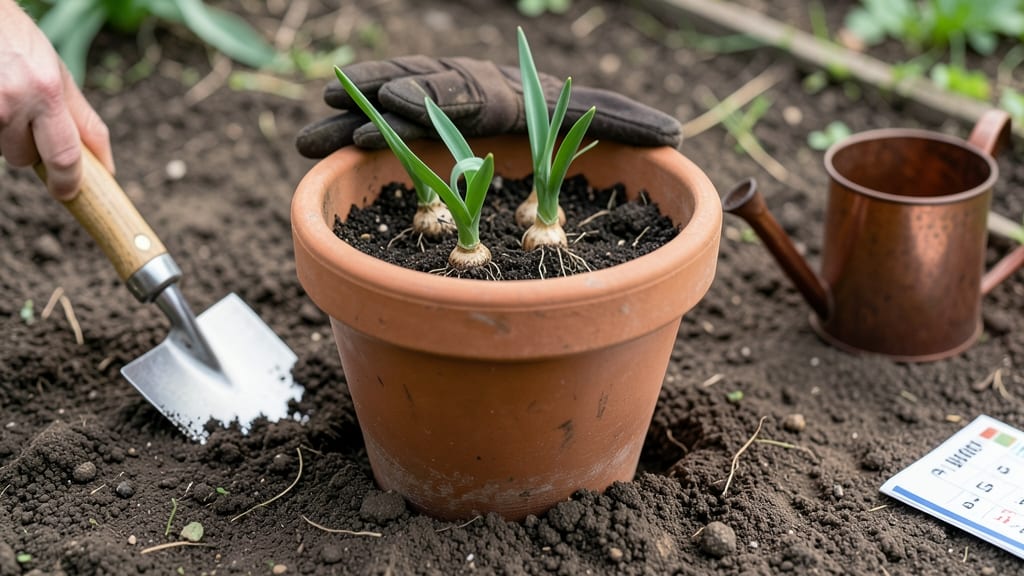
Timing when you can plant potted tulips in the ground perfectly is the secret to vibrant blooms that’ll make your garden the envy of the neighborhood. In USDA Zone 6a, where I garden, a single wrong move—like planting too early—can mean frost-damaged bulbs or missed spring color.
You might think spring is the only time to plant, but fall actually gives your tulips a head start. The key is understanding your local frost dates and soil temperatures, which I’ll break down so you never guess again. Let’s dive into the ideal planting windows for your climate.
Whether you’re a first-time gardener or a seasoned pro, these tips will help you transplant potted tulips with confidence. We’ll cover everything from preparing your soil to avoiding common mistakes that can stunt growth. Ready to transform your garden with bold, healthy tulips?
By the end, you’ll know exactly when to plant, how deep to bury those bulbs, and what to do after the last frost. Your future spring blooms will thank you!
Best planting months for potted tulips by USDA hardiness zones
Timing your tulip transplant depends entirely on your USDA hardiness zone and local climate. Planting potted tulips too early risks frost damage, while waiting too long may delay blooming. For most zones, fall planting (4-6 weeks before first frost) is ideal, but spring options exist too.
In USDA zones 3-5, aim to transplant by mid-October to give bulbs time to root before winter. Zones 6-8 have more flexibility, with November planting working well. Always check your last frost date—this is your golden rule.
Spring planting is possible in zones 6-8, but only if you plant by early March. Tulips need 6-8 weeks of cool soil temps (50-60°F) to establish roots before summer heat arrives. Never plant after April 15 in most regions.
🌷Pro Tip: Use your local frost calendar (not zone alone) to decide. For example, Denver (Zone 5) plants in late September, while Miami (Zone 10) can plant year-round.
| USDA Zone | Best Planting Window | Soil Temp Goal | Spring Option? |
|---|---|---|---|
| Zones 3-4 | September 15-October 15 | 45-50°F | No |
| Zones 5-6 | October 1-November 15 | 50-55°F | Yes (March) |
| Zones 7-8 | November 1-December 15 | 55-60°F | Yes (March-April) |
| Zones 9-10 | Year-round (avoid summer) | 60-65°F | Yes (anytime) |
Early varieties (like 'Early Harbinger') can handle slightly later planting, while late bloomers (like 'Darwin Hybrid') need earlier dates. Always check your bulb package for specific variety notes—some tolerate warmer soils better.
For container-grown tulips, timing shifts slightly. Since potted bulbs are already established, you can transplant 2 weeks later than bare-root bulbs. Just ensure roots aren't circling—gentle prune if needed before planting.
🌡️Soil Temperature Test: Use a soil thermometer to confirm temps. Ideal range is 50-60°F. If your soil is warmer than 65°F, wait 2-3 weeks before planting to avoid stressing the bulbs.
After transplanting, mulch heavily (4-6 inches) in colder zones to protect roots. In warmer zones, a light mulch (2 inches) keeps soil moist without overheating. Remove mulch in spring once shoots appear.
💡Zone-Specific Hack: In Zone 6+, plant half your bulbs in fall and half in early spring for staggered blooms from early to late spring. This extends your tulip season by 4-6 weeks!
How to prepare potted tulips for transplanting: 5 critical steps
Preparing your potted tulips for transplanting is just as important as timing. Skipping these steps can lead to shocked bulbs that fail to bloom. Start by hardening off your potted tulips 7-10 days before planting.
Move them outdoors gradually, increasing exposure from 2 hours to full sun daily to mimic outdoor conditions.
Next, inspect the roots for circling or tangled growth. Gently tease them apart or trim excess roots with clean shears. This prevents root-bound stress and encourages faster establishment. Water your potted tulips the day before transplanting to reduce root disturbance during moving.
- 1. Harden Off
Gradually expose potted tulips to outdoor conditions for 7-10 days before transplanting. - 2. Check Roots
Trim circling roots and ensure healthy root growth before planting. - 3. Prep Soil
Loosen soil to 12 inches deep and mix in compost for nutrient-rich planting. - 4. Dig Holes
Plant depth should be twice the bulb height (e.g., 6-inch hole for 3-inch bulbs). - 5. Water Immediately
Deep water after planting to eliminate air pockets and settle soil around bulbs.
Prepare your garden bed by loosening soil 12 inches deep and mixing in compost or aged manure for nutrients. Tulips thrive in well-draining soil with a pH of 6.0-7.0. Test your soil and amend with lime or sulfur if needed. Avoid fresh manure, which can burn delicate roots.
When digging holes, aim for a depth twice the bulb height—for example, a 3-inch bulb needs a 6-inch hole. Space bulbs 4-6 inches apart for dwarf varieties and 6-8 inches apart for standard tulips. This prevents overcrowding and ensures stronger stems and blooms next season.
After planting, water deeply to eliminate air pockets and help soil settle around the bulbs. Mulch with 2-3 inches of organic mulch (like straw or shredded leaves) to retain moisture and regulate soil temperature. Avoid heavy mulch, which can suffocate bulbs or attract pests.
💧Post-Planting Care: Keep soil consistently moist but not soggy for the first 2-3 weeks. Reduce watering once shoots appear, as overwatering can rot bulbs. In colder zones, add extra mulch in late fall to protect roots from freezing temperatures.