
Flowers
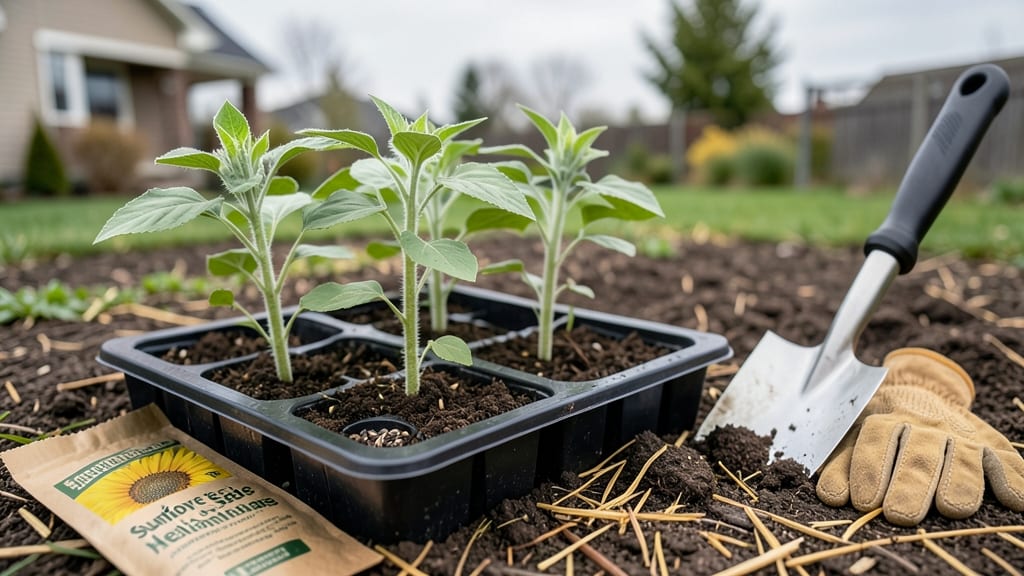
Planting sunflowers in Florida might seem tricky with its year-round warmth, but timing matters more than you think. The wrong window can mean wilting blooms or stunted growth—especially in Florida’s 9a-10a zones where heat lingers year-round.
Here’s the good news: Florida’s frost-free climate means you can grow 🌻 sunflowers almost anytime, but the best results come from strategic planting.
Whether you’re in North Florida’s cooler pockets or South Florida’s tropical heat, I’ll break down the ideal months to avoid heat stress and maximize those vibrant blooms.
You’ll discover how to align your planting with Florida’s microclimates—from late winter’s mild start to summer’s scorching peak. We’ll also cover container gardening hacks for urban growers and soil prep secrets to keep your sunflowers thriving when temperatures soar.
Ready to turn your Florida garden into a sunflower paradise? Let’s dive into the exact planting schedule that’ll have your flowers standing tall and proud, no matter the season.
Florida planting zones for sunflowers: heat tolerance and frost-free timing guide
Florida’s diverse climate—spanning USDA zones 8A to 10A—means sunflowers can grow year-round, but timing matters. Unlike northern states, Florida’s frost-free periods are long, but heat stress and humidity can still challenge these sun-loving plants.
In North Florida (8A-9A), frosts occasionally occur, while South Florida (10A) enjoys near-tropical conditions. Let’s break down the best planting windows for each zone to maximize blooms.
For North Florida (Zones 8A-9A), the last frost typically arrives by mid-January, making early spring (February-March) ideal for planting. However, sunflowers are resilient—you can also sow seeds in late summer (August-September) for fall blooms.
In Central Florida (Zone 9B), the frost-free window expands, allowing year-round planting with peak success in spring (March-April) and fall (September-October).
In South Florida (Zone 10A), frost is rare, so you can plant sunflowers anytime. However, summer heat (June-August) may stress young plants, so consider afternoon shade or opt for heat-tolerant varieties. The key is to avoid planting during peak summer storms, which can uproot seedlings.
Here’s a quick reference for Florida’s sunflower planting windows by zone:
| Zone | Last Frost | Best Planting Months | Avoid Planting | Notes |
|---|---|---|---|---|
| 8A (North FL) | Mid-January | Feb-Mar, Aug-Sep | Dec-Jan (frost risk) | Use row covers for early spring |
| 9A (North-Central FL) | Late January | Jan-Apr, Aug-Oct | None (but avoid peak heat) | Dwarf varieties work well in containers |
| 9B (Central FL) | Rare (Dec) | Year-round (best Mar-Apr, Sep-Oct) | Jun-Jul (extreme heat) | Mulch to retain moisture |
| 10A (South FL) | Never | Year-round (best Feb-Mar, Sep-Oct) | None (but avoid storms) | Provide afternoon shade in summer |
For container gardening in Florida, timing is flexible—just ensure pots have drainage holes and use lightweight soil. In North Florida, start seeds indoors in late February for early blooms, while South Florida gardeners can direct-sow anytime.
The key is to align planting with soil temperatures above 60°F, which ensures rapid germination.
Sunflowers in Florida also benefit from succession planting. Sow seeds every 2-3 weeks from February to September to enjoy continuous blooms. This works especially well in Central and South Florida, where the growing season is nearly year-round.
For North Florida, focus on spring and fall plantings to avoid summer heat stress.
One common mistake is planting sunflowers too early in South Florida, where summer heat can overwhelm young plants. Instead, opt for late winter (January-February) or fall (September-October) plantings.
In North Florida, avoid planting in December, as frosts can damage seedlings. Always monitor weather forecasts for unexpected cold snaps, even in frost-free zones.
Pro tip: Use black plastic mulch in summer to warm the soil and speed up germination. This is especially useful in Central and North Florida, where soil can cool quickly after sunset. In South Florida, prioritize shade cloth during peak afternoon heat to protect delicate seedlings.
Finally, remember that sunflowers are fast growers—some varieties mature in as few as 60 days. This makes them perfect for Florida’s short growing seasons in North Florida or quick succession plantings in South Florida.
By aligning your planting schedule with local frost risks and heat patterns, you’ll enjoy vibrant, long-lasting blooms all year.
Florida planting zones for sunflowers: heat tolerance and frost-free timing guide
Florida’s 11 USDA hardiness zones (8A-10A) create unique microclimates for sunflower growth. Unlike northern states, Florida’s frost-free windows mean you can plant sunflowers almost year-round—but timing still matters to avoid heat stress or stunted blooms.
In North Florida (Zones 8A-8B), like Jacksonville or Gainesville, last frosts typically hit around mid-January, while South Florida (Zones 10A-10B) rarely sees frost. This means year-round planting is possible, but summer heat demands extra care for young seedlings.
For North Florida gardeners, aim to plant sunflowers in late February through April to avoid summer’s brutal heat. Seedlings planted in June or July often struggle with heat shock, leading to yellowing leaves or bolting.
In Central and South Florida, you can push planting to September or October for fall blooms, but provide afternoon shade during 90°F+ days. I’ve found that dwarf varieties like ‘Teddy Bear’ handle summer heat better than towering types.
Pro tip: Use black plastic mulch in summer to warm soil faster and reduce water loss. This trick extends your planting window by 2-3 weeks in Florida’s heat.