
Companion Plants
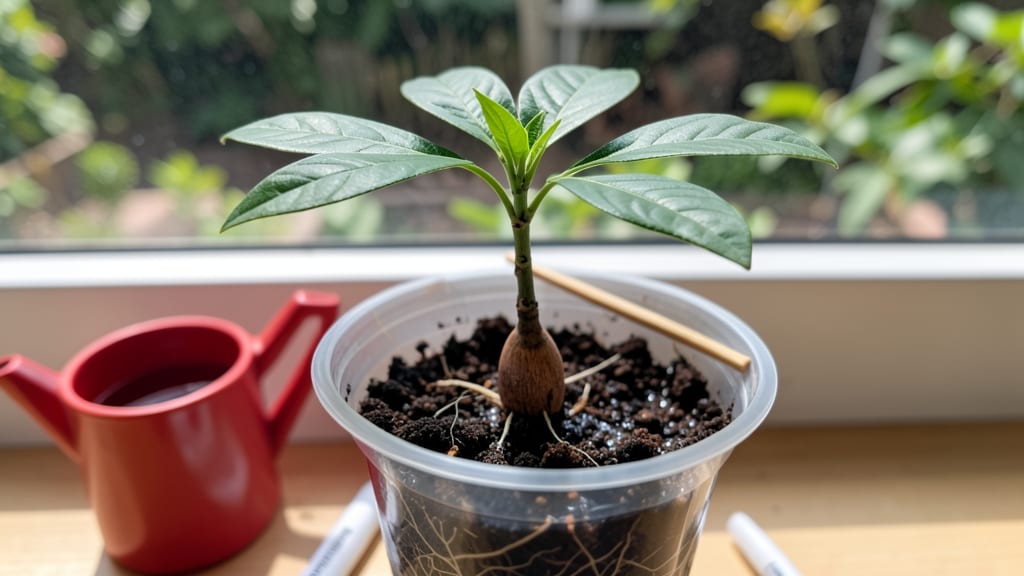
Planting your avocado seed in soil at the wrong time can mean the difference between a thriving 🥑 sapling and a sad, wilted failure.
The perfect window for transferring that seedling from water to soil depends on more than just your local calendar—it’s about temperature, humidity, and even the seedling’s own readiness cues.
If you’ve been patiently waiting for roots to sprout in your glass of water, you might be wondering: Is it finally time? The answer isn’t just “spring”—it’s about warmth, root length, and leaf development.
Skipping these signs could delay germination by weeks, or worse, kill your seedling before it even starts.
In Zone 6a, like many temperate regions, the ideal planting window opens after the last frost—typically late April or May—when soil temperatures consistently stay above 60°F.
But here’s the catch: even if the weather cooperates, your seedling needs strong roots (at least 2-3 inches long) and 3-4 healthy leaves before making the move.
Let’s break down exactly when to plant, how to prep your soil, and the common mistakes that sabotage even the most eager gardeners.
By the end, you’ll know the precise moment your avocado seed is ready to trade its watery home for real dirt—and how to give it the best shot at growing into a lush, fruit-bearing tree.
Best months to plant avocado seeds in soil for fast germination
Timing your avocado seedling’s transition from water to soil is critical—plant too early, and cold temperatures stunt growth; too late, and your seedling may struggle to adapt.
The ideal window depends on your USDA zone, with Zone 6a gardeners aiming for late April to May after the last frost date (typically April 15).
In warmer climates (Zones 9-11), you can plant as early as February or March, while colder regions (Zones 3-5) may need to wait until June to avoid frost damage. The key is soil temperatures above 60°F (15°C)—cold soil slows root development and increases rot risk.
Humidity also plays a role: High humidity (60%+) speeds germination, while dry air (common in summer) can stress seedlings. If you’re in a low-humidity zone, consider a humidity dome or indoor setup until roots establish.
Daylight matters too. Avocado seedlings thrive with 8+ hours of sunlight daily, so planting in spring aligns with longer days. In Zone 6a, this means starting indoors in March for outdoor planting by May.
| Climate Zone | Best Planting Months | Soil Temp Requirement | Daylight Needs | Humidity Tips |
|---|---|---|---|---|
| Zones 3-5 (Cold) | June–July | 65°F+ (18°C+) | 8+ hours | Use humidity tray |
| Zone 6a (Temperate) | Late April–May | 60°F+ (15°C+) | 6–8 hours | Mulch to retain moisture |
| Zones 7-8 (Warm) | March–April | 55°F+ (13°C+) | 8+ hours | Shade cloth for hot days |
| Zones 9-11 (Tropical) | February–March | 50°F+ (10°C+) | Full sun year-round | Well-draining soil critical |
Your seedling’s root length is the best indicator of readiness. Aim for 2–3 inches of roots before planting—shorter roots struggle to anchor in soil. Pair this with 3–4 mature leaves (not just the initial sprout) to ensure energy reserves for growth.
Indoor growers can extend the season by starting seeds in well-draining pots under grow lights 8–12 weeks before the last frost. This mimics outdoor conditions and gives seedlings a head start. Just avoid transplanting until soil warms—cold stress can kill even healthy-looking seedlings.
Pro tip: Test soil temperature with a soil thermometer before planting. If it’s below 60°F (15°C), wait a week or use a black plastic mulch to warm the soil faster. Patience here prevents root rot and ensures stronger establishment.
Once planted, monitor for yellowing leaves—a sign of overwatering or poor drainage. Adjust care based on your climate: Drier zones need mulch; humid zones benefit from airflow. With the right timing, your avocado seedling will transition smoothly from water to soil, setting the stage for years of growth.
How to prepare your avocado seed for soil planting (step-by-step)
Before planting your avocado seed in soil, you must prepare it properly to avoid shock and ensure strong root development. The first step is letting the seed dry slightly after removing it from water.
Pat it gently with a paper towel to remove excess moisture—this prevents rot in soil and encourages root hardening.
Next, inspect the seed for viability signs. Healthy seeds will have a firm texture and 2–3 inches of white roots. If roots are sparse or brown, the seed may not survive transplanting. Discard any seeds with soft spots or mold, as these won’t establish well in soil.
- 1Dry the seed for 10–15 minutes to remove excess water.
- 2Choose a well-draining potting mix (50% peat moss, 30% perlite, 20% compost). Avoid garden soil—it compacts and suffocates roots.
- 3Fill a small pot (4–6 inches deep) with moistened mix, leaving 1 inch of space at the top.
- 4Plant the seed 1–2 inches deep, with roots facing downward. Gently press soil around it to secure.
- 5Water lightly until soil is damp (not soggy). Place the pot in bright, indirect light for 1–2 weeks to acclimate.
- 6After 2 weeks, move the seedling to full sun (6+ hours daily) to harden it for outdoor planting.
For outdoor planting, select a spot with well-draining soil and partial shade for the first week. Dig a hole twice as wide as the seedling’s root ball but only as deep as the container. Loosen the soil at the bottom to encourage root spread.
After transplanting, water deeply to settle soil around roots. Use a mulch layer (2–3 inches) of straw or wood chips to retain moisture and regulate temperature. Avoid fertilizing for 4–6 weeks—new seedlings need time to adjust before absorbing nutrients.
Monitor your seedling closely for wilting or yellow leaves, which signal overwatering or poor drainage. Adjust care based on your climate: Drier areas may need weekly watering, while humid zones should water every 5–7 days.
With proper prep, your avocado seed will thrive in soil and grow into a robust tree.