
Plants
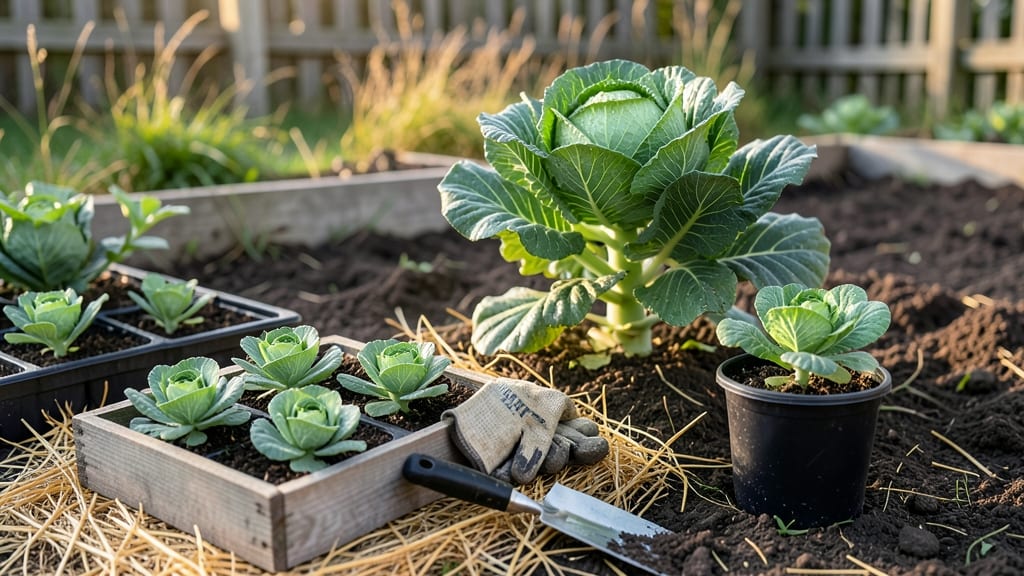
North Carolina cabbage planting calendar by USDA Zone: avoid bolting with these exact weeks
North Carolina’s diverse climate—from the cool mountain regions to the humid coastal plains—means cabbage planting times vary dramatically. In USDA Zone 6b (western NC), you can start as early as late February, while Zone 8a (coastal areas) should wait until mid-March to avoid frost damage.
These timing differences prevent bolting (premature flowering) and ensure sweet, crisp heads.
Cabbage thrives when planted 4-6 weeks before your last frost date for spring crops and 10-12 weeks before your first frost for fall harvests. In NC, this typically means February-March for spring and July-August for fall.
Missing these windows often leads to bitter-tasting cabbage or plants that bolt before forming heads.
For mountain regions (Zones 6b-7a), focus on early spring planting (February-March) and late summer (August-September). Coastal areas (Zones 7b-8a) should prioritize March-April and July-August to align with warmer soils and longer growing seasons. Varieties like 'Golden Acre' (heat-tolerant) and 'Windsor' (cold-hardy) perform best when planted at these optimal times.
In Zone 6b, where winters are colder, start transplanting seedlings indoors in January to get a head start. By late February, hardened-off plants can go into the garden. Meanwhile, Zone 8a gardeners should wait until soil temperatures reach 50°F (10°C)—usually mid-April—to avoid stunted growth.
Use a soil thermometer to check; cabbage roots struggle in cold, wet soil.
For fall crops, the goal is to harvest before hard frosts hit. In the mountains (Zone 6b), aim for August 15-September 1 plantings, while coastal areas (Zone 8a) can extend this to August 15.
Late-season varieties like 'Red Express' tolerate cooler temps better, making them ideal for fall gardens. Always account for 70-90 days to maturity when planning.
Pro tip: Use shade cloth (30-50%) in summer to protect young plants from heat stress, which triggers bolting. In NC’s humid summers, this simple step can extend your growing season by 2-3 weeks.
Pair it with drip irrigation to keep soil moisture consistent—cabbage hates fluctuating water levels, which lead to bitter flavors.
If you’re growing organic cabbage, add compost or aged manure 2-3 weeks before planting to boost soil fertility. Conventional growers can use a balanced 10-10-10 fertilizer at planting and again when heads form.
Avoid high-nitrogen fertilizers; they promote leafy growth over head development, leaving you with loose, poor-quality cabbages.
🌱 Remember: The key to success in NC’s climate is timing + variety selection. Plant the right cabbage at the right time, and you’ll enjoy crisp, sweet heads from spring through fall—no bolting in sight!
How to extend cabbage season in NC: succession planting and heat-tolerant varieties
North Carolina’s warm summers and mild winters create unique challenges for growing cabbage year-round. The key to success is succession planting and choosing heat-tolerant varieties that thrive outside the traditional spring window.
With the right strategies, you can enjoy fresh cabbage from early spring through late fall—without the risk of bolting or pest outbreaks.
Start by selecting varieties bred for NC’s climate, like 'Cavalo' (heat-resistant) or 'Golden Acre' (slow to bolt). These varieties can handle temperatures up to 80°F without sacrificing head quality. Pair them with staggered planting schedules to ensure a continuous harvest, even when summer heat arrives.
For summer plantings, focus on late July to early August—this gives cabbage enough time to mature before fall’s cooler temperatures set in. Use shade cloth (30-50%) during peak afternoon heat to protect young plants from stress.
Even a simple white row cover can reduce soil temperatures by 10-15°F, preventing bolting.
Another game-changer is intercropping cabbage with fast-growing companions like radishes or lettuce. These plants mature quickly, freeing up space for subsequent cabbage plantings.
For example, sow radishes in early spring alongside cabbage—once the radishes are harvested in 6-8 weeks, you can replant cabbage in the same spot without disturbing roots.
Don’t overlook soil preparation for extended seasons. Amend your beds with compost and aged manure before planting to boost fertility, and maintain consistent moisture (1-2 inches per week). Mulch with straw or shredded leaves to retain soil moisture and regulate temperature, especially during summer’s peak heat.
With these techniques, you can double your cabbage harvest in NC—enjoying crisp heads from March through November without the frustration of bolting or poor flavor. The secret? Plan ahead, choose the right varieties, and protect your plants from heat stress.