
Plants
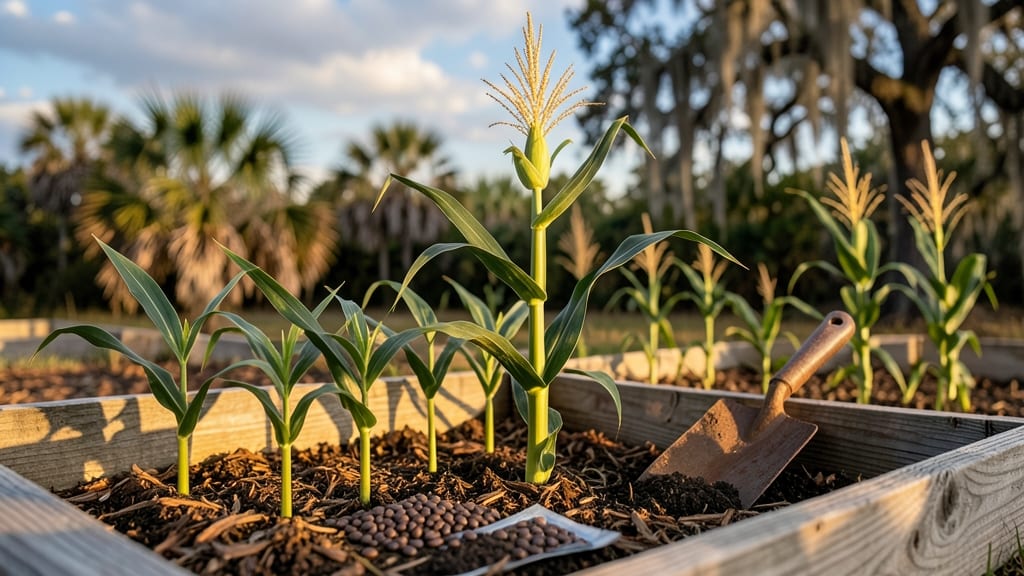
Planting corn in Florida isn't just about throwing seeds into the dirt—it's about timing it perfectly to beat the heat and humidity. With the right schedule, you can grow sweet, juicy 🌽 that thrives in Florida's 8a-11 zones, avoiding the pitfalls of early frost or scorching summer sun.
Most gardeners in Florida start their corn between March and July, but the exact timing depends on your region. Whether you're in the panhandle or Miami, knowing when to plant ensures your corn matures before the heat becomes too intense.
I'll show you how to align your planting with Florida's unique climate for the best results.
Beyond dates, soil temperature and variety selection make all the difference. Too early, and your corn struggles; too late, and you risk stunted growth. Let’s break down the critical steps to prepare your soil, choose heat-resistant varieties, and care for your corn through Florida’s long growing season.
By the end, you’ll know exactly when to plant, what to plant, and how to keep your corn thriving—so you can enjoy fresh ears from June through October. Ready to grow corn like a Florida pro?
Best planting dates for corn in Florida by region (exact months & timing)
Florida’s diverse microclimates mean your corn planting dates should vary based on whether you're in North, Central, or South Florida. Unlike northern states, Florida rarely sees frost, but soil temperature and humidity still dictate the best windows.
For optimal growth, aim to plant when daytime temps hover around 75-85°F and soil reaches 60°F+.
In North Florida (like Jacksonville or Gainesville), your last frost risk occurs in January, but spring planting starts as early as mid-February.
For Central Florida (Orlando, Tampa), you can begin late February to early March, while South Florida (Miami, Key West) gardeners enjoy a longer window, starting as early as January.
Here’s the key: Plant corn in Florida between March and July to avoid extreme summer heat (which stresses plants) and hurricane season (which can damage young stalks). For two harvests, stagger plantings every 2-3 weeks—just don’t let soil temps dip below 55°F.
🌱
| Region | Best Planting Window | Soil Temp Requirement | Key Considerations |
|---|---|---|---|
| North Florida (Zones 8a-9a) | Mid-February to April | 60°F+ (use black plastic mulch to warm soil) | Frost risk in Jan; plant after last frost date. |
| Central Florida (Zones 9a-10a) | Late February to May | 65°F+ (ideal for fast germination) | Humidity peaks in summer; avoid July plantings. |
| South Florida (Zones 10b-11) | January to June | 70°F+ (tropical varieties thrive here) | Hurricane season starts June 1; protect young plants. |
| All Regions (Success Tip) | Stagger plantings every 2 weeks | N/A | Ensures continuous harvest through fall. |
For North Florida, focus on early spring plantings (February-March) to beat the heat. Use row covers if nights dip below 50°F, as corn is frost-sensitive. In Central Florida, March and April are ideal—this gives ears time to mature before summer’s brutal heat sets in.
In South Florida, you can push the envelope with January plantings, but prioritize drought-resistant varieties like 'Golden Bantam' or 'Country Gentleman'. These handle high humidity and occasional dry spells better than standard hybrids. Always mulch heavily to retain moisture and cool roots.
Pro tip: Test your soil 2 weeks before planting. Florida’s sandy soils often lack organic matter—amend with compost or well-rotted manure to improve water retention. Aim for a pH of 6.0-6.8; corn thrives in slightly acidic to neutral soil.
If you’re planting in summer (August-September), choose heat-tolerant varieties and provide afternoon shade cloth to protect young plants. Summer corn may take longer to mature but can still yield sweet ears if cared for properly.
🌡️
Remember: Corn is a heavy feeder, so side-dress with nitrogen when plants reach knee-high (about 6 weeks after sprouting). Use a balanced fertilizer (like 10-10-10) to avoid leaf burn. In Florida’s humid climate, rotating crops every year prevents soil-borne diseases like corn smut.
For container growing, use 5-gallon pots and plant 1-2 seeds per pot. Place containers in full sun and water daily—containers dry out 3x faster than garden beds. Harvest times will be slightly shorter (60-70 days vs. 70-90 days in ground).
Best planting dates for corn in Florida by region (exact months & timing)
Florida’s climate varies dramatically from the cooler North to the tropical South, so planting dates should match your region. In North Florida (Zones 8a-8b), aim for mid-March to early April to avoid late frost.
Meanwhile, Central Florida (Zones 9a-9b) can start as early as late February, while South Florida (Zones 10a-11) thrives with March to May plantings.
Soil temperature is critical—corn needs at least 60°F to germinate. Use a soil thermometer to confirm. In Florida’s heat, planting too early risks poor germination, while waiting too long may lead to stunted growth before harvest.
I’ve planted corn in all three regions, and timing makes the difference between bountiful ears and disappointing stalks.
| Region | USDA Zone | Best Planting Window | Soil Temp Requirement | Harvest Window |
|---|---|---|---|---|
| North Florida | 8a-8b | Mid-March to early April | 60°F+ | June to August |
| Central Florida | 9a-9b | Late February to May | 60°F+ | May to September |
| South Florida | 10a-11 | March to May | 65°F+ (warmer soil preferred) | June to October |
For a continuous harvest, stagger plantings every 2-3 weeks within your region’s window. For example, in Central Florida, plant one batch in late February, another in early April, and a final batch in mid-May.
This ensures fresh ears from June through September, just in time for summer grilling—though I always save a few for roasting indoors!
If you’re in North Florida and experience an unusually cold snap, cover seedlings with row covers or old blankets. In South Florida, watch for hurricane season (June-November)
My garden in Orlando once lost a batch of corn to a late May storm, so I now plant my final batch by mid-May to avoid risks. Don’t forget to test your soil pH (aim for 6.0-6.5) and amend with compost before planting. Corn is heavy-feeder, so enriching the soil with aged manure or compost ensures strong stalks and plentiful ears. I’ve seen corn planted in poor soil struggle to reach maturity, even with perfect timing. Once your corn reaches 6 inches tall, thin seedlings to 10-12 inches apart for optimal air circulation and ear development. This step is often skipped, but it’s essential for preventing fungal diseases like corn smut, which thrives in Florida’s humidity. Thin in the morning to reduce stress on plants.