
Plants
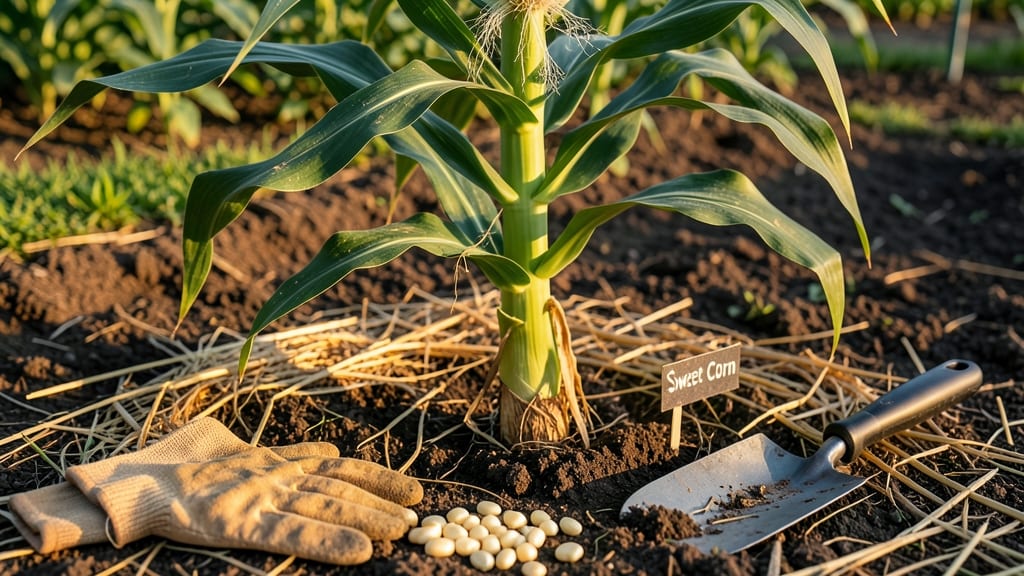
Timing your 🌽 corn planting in Oregon isn’t just about the calendar—it’s about outsmarting the state’s wild swings from coastal chill to desert heat. Get it wrong, and you’ll end up with stunted stalks or ears that never fully develop, no matter how much you water them.
Most Oregon gardeners know the general rule: mid-April to late May is the sweet spot for planting. But here’s the catch—your exact timing depends on whether you’re in the Willamette Valley’s damp climate, the High Desert’s dry heat, or somewhere in between.
Plant too early, and frost will nip your tender seedlings. Too late, and your corn might bolt before it even sets ears.
I’ve spent years growing 🌽 in Oregon’s tricky zones, and the key isn’t just waiting for the last frost (though that’s a start). It’s about watching soil temperatures—corn needs earth that’s warmed to at least 50°F—and choosing varieties that match your microclimate.
Some types thrive in the cool coastal areas, while others need the longer, hotter seasons of the valley.
Ready to avoid the most common mistakes? I’ll walk you through the exact weeks to plant in your corner of Oregon, plus how to spot when you’ve gotten it right—or when it’s time to replant. Let’s make sure your corn grows tall, sweet, and full of potential.
Oregon corn planting zones: best weeks by region for maximum yields
Oregon’s diverse microclimates mean your corn planting schedule should vary dramatically depending on whether you’re in the Willamette Valley, High Desert, or coastal areas.
The key is planting when soil temperatures hit 50°F+ and after your last frost date, which can differ by 3-4 weeks across the state. Let’s break down the ideal planting windows for each region to ensure your corn thrives.
For Willamette Valley gardeners (USDA Zones 8-9), aim to plant between mid-April and early May. This region enjoys mild winters and longer growing seasons, giving corn plenty of time to mature. In Eugene or Salem, you can even start seeds indoors in late March for an earlier harvest.
The last frost typically occurs around April 15, so wait until then to plant outdoors.
High Desert areas like Bend or La Pine (USDA Zone 7) have a shorter growing season and cooler nights. Here, plant late May to early June for short-season varieties like 'Golden Bantam'. Soil warms more slowly, so use black plastic mulch to speed up germination. The last frost can linger until May 15, so don’t rush—wait for consistent 60°F+ daytime temps.
If you’re gardening in the Columbia Gorge, your last frost usually arrives around April 25, so plant between late April and mid-May. This area benefits from long summer days, but wind exposure can be a challenge.
Use windbreaks or plant near fences to protect your corn stalks from snapping. Varieties like 'Silver Queen' perform well here with their 85-day maturity.
Coastal Oregon, including Astoria or Cannon Beach, has cooler temperatures and foggy summers, which can delay soil warming. Plant between late April and early May, but be prepared to use row covers if nights stay chilly. The last frost typically occurs around May 5, so don’t plant too early—corn hates cold soil, which can cause rot or poor germination.
For all regions, test your soil temperature with a soil thermometer before planting. Corn won’t germinate well below 50°F, and cooler soils can lead to blackened leaves or stunted growth. If your soil is too cold, consider black plastic mulch or a cold frame to warm it up faster.
Remember, earlier planting in warmer microclimates (like Medford) can mean earlier harvests, but always prioritize soil temperature over calendar dates.
Pro tip: In urban heat islands (like Portland or Salem), soil warms 1-2 weeks earlier than rural areas. Use this to your advantage by planting 1-2 weeks ahead of rural schedules. Just monitor for drought stress—urban soils can dry out faster in summer.
Finally, if you’re growing sweet corn for fresh eating, aim to harvest within 75-90 days of planting. This means late
Microclimate-specific tips to avoid common corn planting mistakes in Oregon
Oregon’s varied landscapes—from the Willamette Valley’s rich soils to the High Desert’s dry winds—demand tailored corn planting strategies. One misstep, like planting too early, can lead to blackened leaves from frost, while waiting too long risks poor pollination before harvest.
Let’s break down the microclimate-specific pitfalls and how to avoid them.
First, urban heat islands in cities like Portland can push soil temperatures above 50°F (10°C) weeks earlier than rural areas. Use a soil thermometer to confirm readiness—corn roots need warmth to germinate.
If your soil hits 50°F consistently by mid-March in urban zones, you can plant early varieties like ‘Early Sunglow’ 2–3 weeks ahead of rural schedules.
Wind exposure is another critical factor. In the Columbia Gorge or coastal regions, strong winds can stunt corn growth or snap tender stalks. Plant near windbreaks like fences, hedges, or even tall sunflowers to shield your corn.
For high-elevation areas (above 3,000 ft), opt for shorter-season varieties (60–75 days to maturity) to escape early fall frosts.
⚠️ Warning: Signs You Planted Too Early
- Blackened leaves or yellowing after frost (even light frost can damage young plants).
- Slow or stunted growth—corn needs consistent warmth (above 50°F) to thrive.
- Poor root development, making plants more susceptible to disease or wind damage.
If you see these signs, cover plants with row fabric at night or replant in a warmer microclimate.
Elevation also plays a role. Every 1,000 feet gained in elevation can delay the growing season by 3–5 days. For example, corn planted in Bend (High Desert) should wait until late May for sweet corn varieties, while coastal areas like Astoria can start as early as mid-April.
Use your local frost-free date (check the Oregon State University Extension maps) as a baseline, then adjust based on your specific elevation.
Finally, soil moisture is non-negotiable. Oregon’s summer droughts, especially in the High Desert, can stress corn plants. Mulch heavily with straw or grass clippings to retain moisture, and water deeply in the morning to prevent fungal diseases.
Avoid overhead watering at night—this invites corn smut and rust, common in Oregon’s humid coastal zones.
By accounting for your local microclimate, you’ll avoid the most common mistakes and enjoy bountiful, sweet corn all season long. Start with the right planting window, protect from wind, and keep soil moist—your garden will thank you with plump, juicy ears! 🌽