
Plants
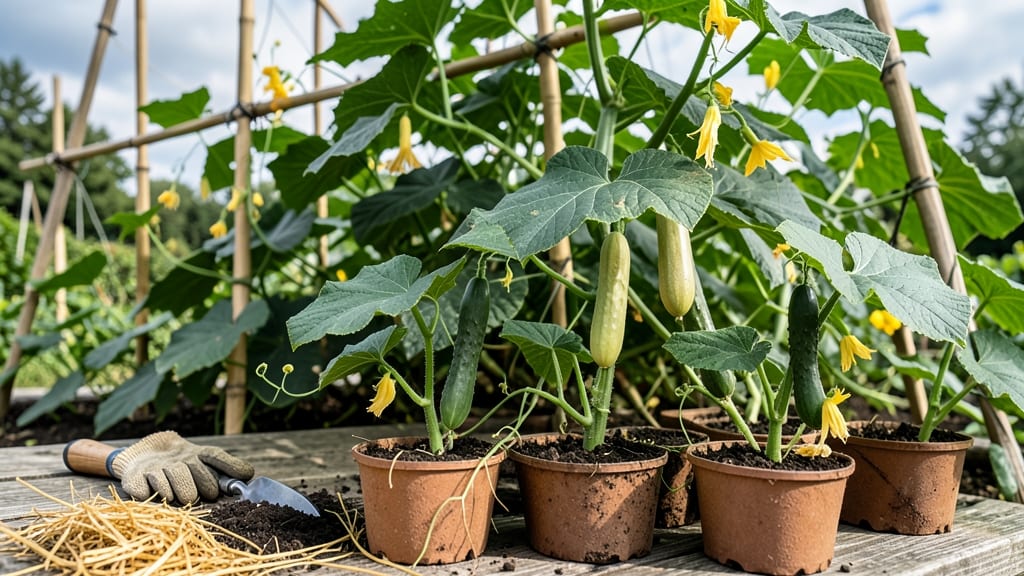
Planting cucumbers in Florida might seem simple—after all, there’s no frost to worry about—but timing is everything for sweet, productive 🥒 harvests. Skip the wrong window, and you’ll end up with bitter fruit or stunted vines, even in our frost-free zones.
Here’s the secret: Florida’s microclimates mean your neighbor in Miami might plant in January while you in Jacksonville wait until March. I’ll break down the exact months that work best for your region, plus how to adjust for heat spikes and humidity that can derail your crop.
You’ll discover why soil temperature matters more than calendar dates and how to stretch your harvest from spring to fall. Let’s skip the guesswork and get those cucumbers thriving with science-backed timing.
Ready to grow cucumbers that taste like summer all year? The key is knowing when to start—and we’re about to make it effortless.
Florida’s cucumber planting zones: microclimate map for zero-frost success
Florida’s frost-free climate means cucumbers can grow almost year-round—but that doesn’t mean any time is ideal. The state’s three distinct microclimates (North, Central, and South) create unique planting windows to avoid bitter fruit or poor yields.
Unlike northern states, Florida gardeners must account for heat tolerance thresholds (above 90°F stresses cucumbers) and humidity zones that accelerate disease.
North Florida (USDA Zones 8a-9a) has cooler winters and occasional light frosts (rare in Miami but possible in Jacksonville or Tallahassee by December). Central Florida (9a-9b) balances heat and humidity, while South Florida (10a-11) faces year-round heat and bolting risks (premature flowering).
The key? Plant when soil temps hit 60°F and avoid peak summer heat (May-July), which stunts growth.
| Region | Ideal Planting Windows | Key Challenges | Soil Prep Tip |
|---|---|---|---|
| North Florida (Panhandle/Jacksonville) | Feb–Mar (spring) + Aug–Sep (fall) | Sandy soil + light frosts | Add 3 inches compost + mulch |
| Central Florida (Orlando/Tampa) | Jan–Feb + Aug–Sep | Humidity + powdery mildew | Use drip irrigation + copper spray |
| South Florida (Miami/Fort Lauderdale) | Year-round (avoid May–July) | Bolting + extreme heat | Shade cloth 30% in summer |
🌡️ Pro Tip: Use the USDA Plant Hardiness Map to pinpoint your exact zone—even within cities!
To refine your timing, check your last frost date (even North Florida’s is rare) and heat tolerance of your cucumber variety. Bush varieties (like ‘Bush Champion’) handle heat better than vining types. For container gardening, use 5-gallon pots with moisture-retentive mix—ideal for balconies in South Florida.
In North Florida, start seeds indoors in January for a March transplant to beat summer’s oppressive heat. Central Florida gardeners can plant January–February for spring harvests or August–September for fall yields. South Florida offers year-round planting, but avoid May–July—the 90°F+ temps cause poor fruit set.
For succession planting, sow new seeds every 2 weeks in spring/fall to extend harvests. Shade cloth (30–50%) is a game-changer in South Florida’s summer, lowering temps by 10–15°F and preventing bolting. Pair this with drip irrigation to keep roots cool and consistently moist.
Don’t overlook soil pH—cucumbers thrive in 6.0–6.8. North Florida’s sandy soils may need organic matter (like peat moss), while Central/South Florida’s clay benefits from gypsum to improve drainage. Test your soil 4–6 weeks before planting to adjust nutrients.
🌱 Key Takeaway: Florida’s microclimates mean one planting schedule doesn’t fit all. Use this 3-zone guide to match your location, variety, and heat tolerance for sweet, productive cucumbers all year.
Best monthly planting calendar for Florida cucumbers (with heat-wave adjustments)
Florida’s cucumbers thrive when planted during cooler months, but the exact timing depends on your region. In North Florida (like Jacksonville or Tallahassee), aim for February–March or August–September to avoid summer’s brutal heat.
Meanwhile, Central Florida (Orlando/Tampa) can start as early as January for spring harvests, while South Florida (Miami/Fort Lauderdale) enjoys year-round plantings with shade adjustments.
Heat waves are the biggest enemy—temperatures above 90°F stunt growth and cause poor fruit set. I’ll show you how to tweak your schedule based on your microclimate, plus when to use shade cloth or row covers to protect tender seedlings.
Here’s your region-specific planting roadmap, complete with soil prep tips and heat-wave survival strategies:
| Region | Best Planting Months | Soil Prep Tip | Heat-Wave Hack |
|---|---|---|---|
| North Florida | February–March August–September |
Amend sandy soil with compost and peat moss for moisture retention. | Use 30% shade cloth in summer plantings to reduce stress. |
| Central Florida | January–February July–August |
Test soil pH (6.0–6.8) and add lime if needed. | Plant bush varieties (like ‘Bush Champion’) for compact heat tolerance. |
| South Florida | Year-round (avoid May–September peak heat) | Mulch with straw to retain moisture and cool roots. | Use drip irrigation at night to prevent bolting from heat stress. |
For North Florida, your February–March planting aligns with rising soil temperatures (aim for 60°F+).
If you’re planting in August–September, start seeds indoors 4–6 weeks ahead to give seedlings a head start before transplanting. Central Florida gardeners can push the envelope with January plantings, but watch for late frosts—though rare, they can still nip young vines.
In South Florida, the real challenge is bolting (premature flowering) from heat. I recommend planting shade-tolerant varieties like ‘Straight Eight’ and using 50% shade cloth during the hottest months. Even then, expect slower growth—patience is key for sweet, crisp cucumbers!
Pro tip: Succession planting every 2 weeks in spring and fall maximizes your harvest. For example, plant a batch in March, then again in April to stretch your season until June. Just avoid May–July entirely—those months are too brutal for cucumbers in most of Florida.