
Plants
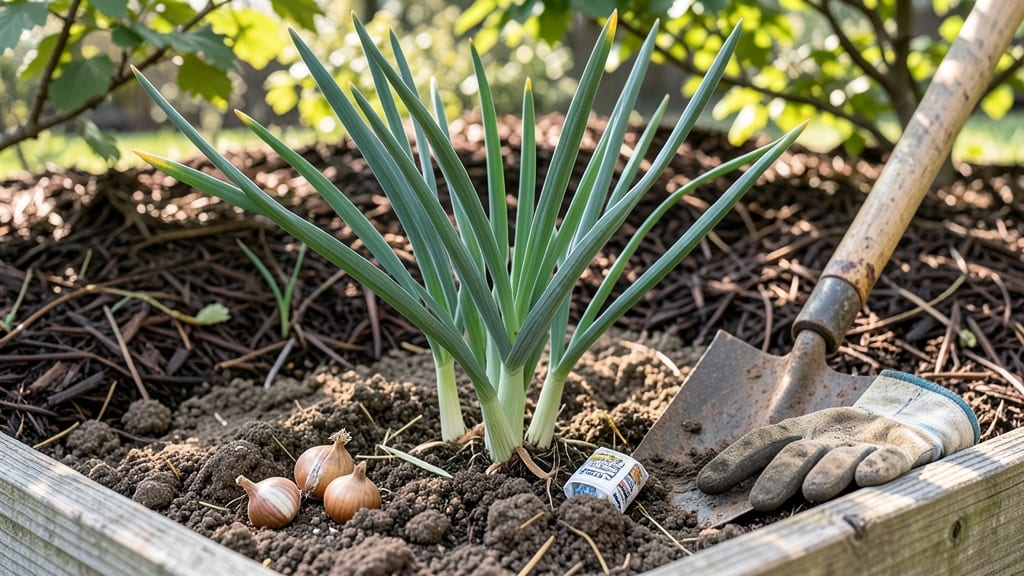
Planting your onions at the wrong time in North Carolina can mean the difference between a bountiful harvest and disappointing small bulbs. Whether you're growing sweet 🧅 onions for cooking or scallions for fresh flavor, timing is everything.
The key to success lies in understanding your specific zone—whether you're in the cooler mountain regions or the warmer coastal plains. Spring planting typically starts between late February and early April, while fall planting works best from August to September, giving your onions time to mature before winter sets in.
In zones 7a-8b, you'll want to plant sets or transplants about 4-6 weeks before your last frost date, usually around mid-March. For fall crops, aim for early August to ensure a harvest before the first frost in November.
I'll walk you through everything you need to know, from soil prep to adjusting for local microclimates, so you can grow onions that thrive all season long.
North Carolina planting zones for onions: exact timing by region
North Carolina’s 7b-8a USDA zones create distinct onion planting windows—your location determines whether you’ll grow spring or fall onions (or both!). Coastal areas like Wilmington have earlier last frost dates (mid-February), while the Mountains (Asheville) can’t plant until late March. Even a 2-week difference affects bulb size and flavor.
For spring onions, plant 4-6 weeks before your last frost date. In Raleigh (Zone 7b), that’s late February to early March.
In Charlotte (Zone 8a), you can start as early as mid-February. Fall planting happens 8-10 weeks before first frost—August for Coastal Plain, September for Piedmont.
🌱
| Region | Zone | Spring Planting Window | Fall Planting Window | Key Notes |
|---|---|---|---|---|
| Coastal Plain | 8a | Late Feb - Early Mar | Early Aug - Mid-Aug | Humidity risk; use well-draining soil |
| Piedmont | 7b | Mid-Mar - Early Apr | Late Aug - Early Sep | Ideal for storage onions; cooler nights |
| Mountains | 6b-7a | Late Mar - Early Apr | Mid-Aug - Late Aug | Shorter season; prioritize quick-maturing varieties |
Soil temperature is your secret weapon—onions need 40-60°F soil to germinate. Use a soil thermometer in cooler zones (like the Mountains) to avoid waiting too long. Seedlings can handle light frosts (28°F), but established bulbs suffer above 85°F, turning bitter.
For scallions/green onions, you can plant every 2 weeks from spring to fall—they tolerate warmer soils (50°F+) and grow faster. Bulb onions demand precision: plant too early in warm zones, and they bolt; too late, and they won’t mature before frost.
🌡️
Check your local frost dates via the NC State Climate Office or Almanac’s NC Frost Calculator. For example, Greenville (Zone 8a) has a last frost of March 1, while Boone (Zone 6b) waits until April 15.
Adjust your calendar accordingly—no two gardens in NC are exactly alike!
Pro tip: Test your soil’s pH (ideal 6.0-7.0) before planting. Onions are sensitive to acidity, and a pH below 5.5 stunts growth. Lime or sulfur amendments can save your crop if needed.
🌱
In Zone 8a (Coastal Plain), you can even try double cropping: plant spring onions in February and fall onions in August for year-round harvests. Just ensure your soil stays moist during summer’s heat—drought stress leads to small, pungent bulbs.
North Carolina planting zones for onions: exact timing by region
North Carolina’s 7b-8a USDA zones create distinct planting windows for onions, with cooler mountain regions needing earlier starts than warmer coastal plains. Understanding these differences ensures your onions mature before summer heat or winter frost strikes.
The Piedmont region (zones 7a-7b) typically plants spring onions between late February and early March, while the Coastal Plain (zones 8a-8b) can start as late as mid-March. Mountain areas (zones 6b-7a) often begin in January or February to account for earlier frosts.
For fall planting, aim for early August in the mountains and mid-August in the Coastal Plain, ensuring bulbs mature before the first frost (usually November 1). Soil temperatures should stay above 50°F (10°C) for optimal growth.
| Region | Zone | Spring Planting | Fall Planting | Key Consideration |
|---|---|---|---|---|
| Mountains | 6b-7a | Jan-Feb | Early Aug | Earlier frost dates |
| Piedmont | 7a-7b | Late Feb-Early Mar | Mid-Aug | Moderate climate |
| Coastal Plain | 8a-8b | Mid-Mar | Late Aug | Warmer winters |
For scallions, which mature faster, you can extend planting to April or September, but bulbing onions need the longer growing season. Always check your local last frost date—even a few degrees of warmth can trick onions into bolting prematurely.
In zone 8b areas, like the Outer Banks, you might even squeeze in a second fall crop by planting in late September, though yields will be smaller. The key is balancing heat tolerance with day length—onions need 12-16 hours of daylight to bulb properly.
Pro tip: Use onion sets (small bulbs) for spring planting—they sprout faster than seeds. For fall, start with transplants or seeds 8-10 weeks before your first frost to ensure maturity.