
Planting
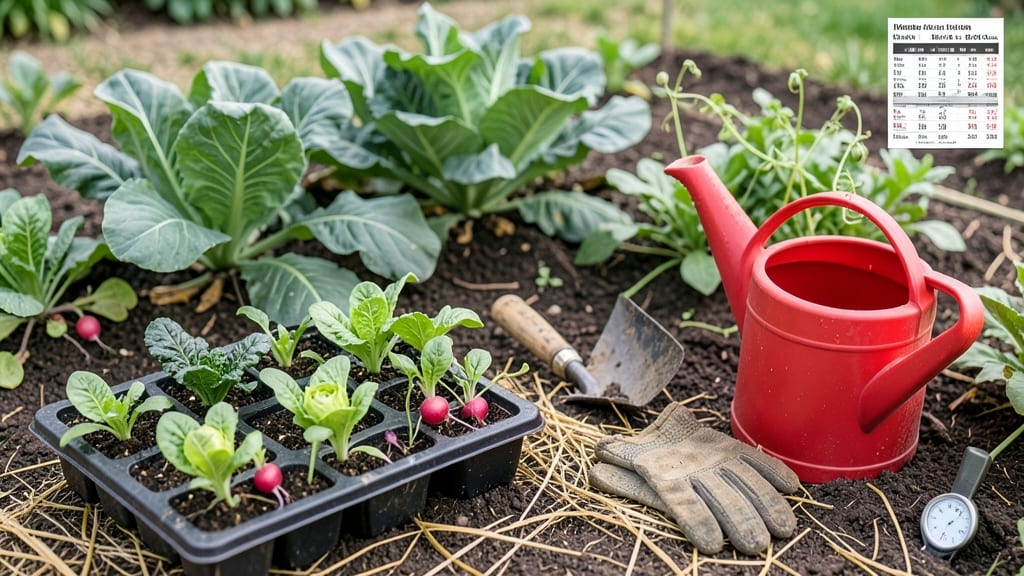
Figuring out when is the best time to plant a garden in Michigan can feel like playing a high-stakes game of Mother Nature’s roulette—get the timing wrong, and your 🌱 dreams wither before they even sprout.
Michigan’s 5b-6b zones mean your neighbors might be harvesting tomatoes while you’re still waiting for the soil to warm up. The difference between a bountiful harvest and a sad, frost-nipped garden often comes down to knowing your region’s last frost dates—and trusting the data, not just the weather forecast.
I’ve spent years tracking Michigan’s planting windows, and the secret isn’t just waiting for May 15th (though that’s a good rule of thumb for most areas). It’s about adjusting for your microclimate, whether you’re in the Upper Peninsula’s cooler stretches or the Lower Peninsula’s slightly warmer pockets.
In this guide, I’ll break down the exact planting timelines for your zone, plus pro tips to stretch your growing season—so you can enjoy fresh veggies from spring to fall without the guesswork.
Michigan planting zones: exact frost dates by region (2024 guide)
Michigan’s gardening success hinges on understanding your USDA hardiness zone and last frost dates. The state spans zones 4b (Upper Peninsula) to 6a (southern Lower Peninsula), with frost-free windows varying by 10–14 days.
Southern Michigan (like Detroit) typically sees its last frost by April 25–May 5, while northern areas (Marquette) may wait until May 15–June 1. These dates dictate whether you can plant cool-season crops like peas or wait for warm-season favorites like tomatoes.
For cool-season crops, start seeds indoors 4–6 weeks before your last frost or sow directly 3–4 weeks before. Warm-season crops need soil temperatures above 50°F and should wait 2–3 weeks after the last frost.
Michigan’s first frost usually arrives between October 1 (southern) and October 20 (northern), leaving a 140–180 day growing season—planning is everything!
Here’s a region-specific breakdown of frost dates, planting windows, and key crops to prioritize. Use this as your 2024 planting calendar to avoid common mistakes like frost damage or missed harvests.
Notice how the Upper Peninsula’s shorter growing season demands earlier starts for cool-season crops like kale or spinach, while southern Michigan can squeeze in two full harvests of tomatoes or peppers with fall planting.
My 2024 tip: Mark your calendar for May 15—this is the absolute deadline for planting warm-season crops in most of Michigan without risking frost.
For cool-season crops, prioritize hardy varieties like peas, radishes, and lettuce, which can handle light frosts down to 20°F. Warm-season crops such as tomatoes, peppers, and cucumbers need consistent warmth—plant them after Memorial Day in northern zones to avoid May frosts, which are infamous in Michigan.
I’ve lost three tomato plants in a row to late frosts, so I now use frost cloth as a precaution!
Soil temperature matters just as much as air temperature. Use a soil thermometer to confirm 50°F+ for warm-season crops—cold soil stunts growth.
In Zone 6a, I’ve seen tomato seedlings bolt (flower prematurely) when planted in 45°F soil. Wait for warmth—your plants will thank you with bigger yields.
Don’t forget fall planting! Michigan’s mild autumn (especially in the south) allows for second harvests of broccoli, carrots, and spinach. Aim to plant
How to adjust planting timing for Michigan’s microclimates (avoid common mistakes)
Michigan’s planting calendar isn’t one-size-fits-all—your neighbor’s southern Lower Peninsula garden might thrive with May 1st plantings, while your Upper Peninsula soil could still hide icy surprises. Microclimates create these differences, and ignoring them means risking late frost damage or wasted seed packets.
Urban gardeners in Detroit or Grand Rapids often enjoy 2-3 warmer weeks than rural areas 30 miles away, thanks to the urban heat island effect.
Meanwhile, northern Michigan’s cooler lakeside zones can delay spring planting by 10-14 days. Even elevation matters—hills warm up faster than valleys, where cold air pools.
Here’s how to tweak your timing based on your specific conditions:
🚨 Late Frost Warning: Michigan’s May Surprises
Even after your average last frost date, Michigan’s late frosts can strike April 25–May 15, especially in Zone 5b areas. I’ve seen 28°F temps in mid-May in Traverse City—hard enough to kill young tomato seedlings or pepper starts.
💡 Pro Tip: Use frost blankets or row covers for warm-season crops until May 30th in most regions. For Zone 4b (UP), wait until June 1st for heat-loving plants.
For rural vs. urban differences, urban areas warm 3–5°F faster in spring due to concrete and buildings. If you’re in Ann Arbor or Kalamazoo, you can plant spinach or radishes 7–10 days earlier than rural Jackson or Hillsdale.
Use a soil thermometer—40°F+ is ideal for cool crops, 60°F+ for warm-season plants.
Elevation also shifts timing: Michigan’s highest points (like Mount Arvon’s 1,979 ft) can have 2-week later frost dates than nearby valleys. If you’re gardening above 1,000 ft, add 10–14 days to your planting window for tomatoes, peppers, and cucumbers.
Don’t overlook wind exposure—open fields cool faster at night. If your garden is wind-swept, delay planting delicate greens like lettuce or arugula until May 20th to avoid windburn.
For southern Michigan’s sheltered microclimates (like St. Joseph or Benton Harbor), you might safely plant warm crops by May 10th.
🌱 Action Step: Track your local frost dates for 3 years—Michigan’s climate shifts yearly. Use Michigan State University’s frost maps as a baseline, then adjust based on your yard’s unique conditions.