
Plants
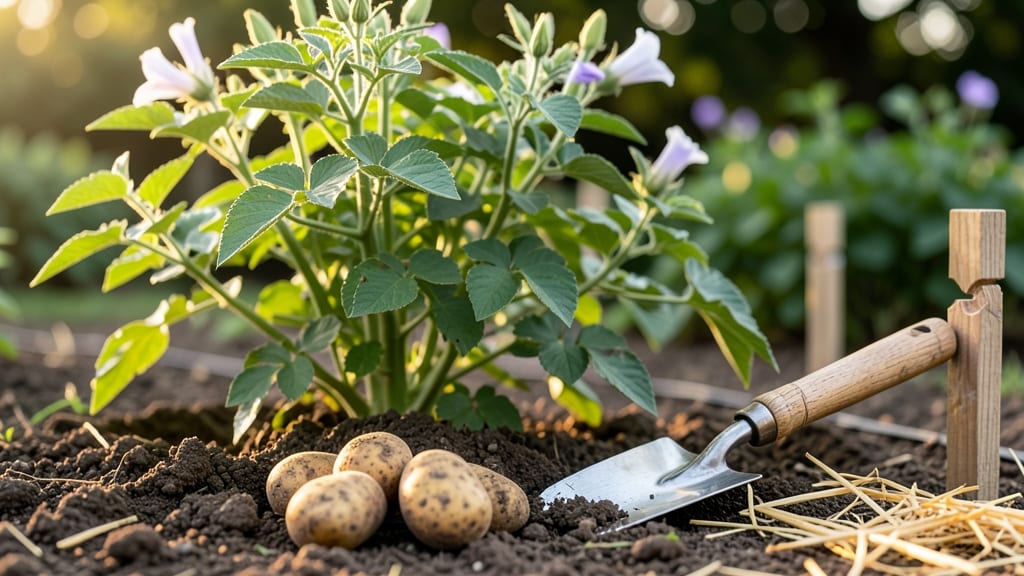
Timing when do you plant potatoes in Zone 5 can make or break your harvest—get it wrong, and you’ll end up with bitter tubers or wasted effort. The key lies in understanding your last frost date and soil temperature thresholds, which vary between 5a and 5b sub-zones.
Most gardeners in Zone 5 swear by early spring planting, 4-6 weeks before the last frost, when soil reaches a steady 45°F. But did you know late-winter planting is also possible with early varieties?
I’ll break down both strategies so you can choose what works best for your schedule and climate.
What happens if you plant too early? You risk bolting—those telltale flower spikes that turn your potatoes bitter. Or too late, and you’ll miss the growing season entirely. The good news? With the right timing, you can avoid these pitfalls and enjoy a bumper crop of homegrown potatoes by mid-summer.
Let’s dive into the science-backed planting windows, regional adjustments, and pro tips to ensure your Zone 5 potato patch thrives from seed to harvest. Ready to dig in?

Zone 5 potato planting calendar: exact dates for early-spring success
Timing your potato planting in Zone 5 is all about beating the last frost date while avoiding bolting. The sweet spot? When soil temperatures hit 45°F—typically late March to mid-April. This window ensures tubers form before vines bolt (flower prematurely), which ruins flavor and yield.
Here’s the catch: Zone 5a (colder) needs earlier planting than Zone 5b (warmer). For example, in Chicago, aim for March 20–April 5, while Pittsburgh can wait until April 1–15. Always check your local frost dates—planting too early risks frost damage, too late risks bolting.
🌱
Pro tip: Use black plastic mulch to warm soil faster and avoid bolting. Lay it down 2–3 weeks before planting to create a microclimate. For early varieties like Yukon Gold, plant as soon as soil is workable—even if it’s cold but frost-free.
If you’re in northern Zone 5 (e.g., Minnesota), opt for early-maturing varieties (70–90 days) like Red Norland. Southern Zone 5 (e.g., Kentucky) can handle longer-season varieties (90–120 days) like Russet Burbank, planted slightly later.
Watch for soil temperature spikes—potatoes grow best between 50–75°F. Use a soil thermometer to confirm readiness. If temps drop below 40°F, delay planting or use row covers to protect young plants.
🌡️
For container growing, plant seed potatoes in 5-gallon buckets filled with well-draining mix. Start these indoors in late February and move outdoors after last frost. Containers warm faster, so adjust planting dates 1–2 weeks earlier than ground planting.
Finally, rotate crops—never plant potatoes where tomatoes, peppers, or eggplants grew last year. These share diseases like verticillium wilt, which thrives in Zone 5’s humid summers. Rotate with legumes or brassicas instead.
✂️
Zone 5 potato planting calendar: exact dates for early-spring success
In Zone 5, your potato planting window hinges on two critical factors: soil temperature and last frost dates. Aim to plant 4-6 weeks before your last frost, typically between mid-March and mid-April.
This timing ensures your tubers develop underground before the vines mature, preventing bolting—the dreaded flower spike that ruins flavor.
For Zone 5a (colder micro-climates), stick to late March to early April when soil reaches 45°F. In Zone 5b (warmer areas), you can plant as early as mid-March. Use a soil thermometer to confirm readiness—cold soil delays sprouting and invites rot.
Why timing matters: Potatoes need 90-120 days to mature. Planting too early risks frost damage to emerging sprouts, while late planting cuts harvest time short. Pro tip: Start seed potatoes indoors in February for a head start, especially with early varieties like 'Yukon Gold'.
| Stage | Action | Zone 5a Dates | Zone 5b Dates |
|---|---|---|---|
| Prep Soil | Add compost, test pH (5.0-6.5) | Late February | Early February |
| Plant Seed Potatoes | 4" deep, 12" apart, soil 45°F | Late March | Mid-March |
| Hill Soil | When vines reach 6" | Early May | Late April |
| Harvest | Greens yellow, soil dry | Late July | Mid-July |
Regional tweaks matter! In northern Zone 5 (e.g., Minnesota, Wisconsin), wait until after April 15 to avoid late frosts. In southern Zone 5 (e.g., Ohio, Pennsylvania), you can plant as early as mid-March if using cold-hardy varieties like 'Kennebec'.
Pro move: Use black plastic mulch to warm soil faster and extend your planting window by 1-2 weeks. This trick lets you plant earlier in Zone 5a without risking frost damage to sprouts.
Remember, soil temperature > air temperature. Even if air hits 50°F, soil may still be 38°F—wait until it’s consistently 45°F at 4" depth. Test daily if needed!