
Plants
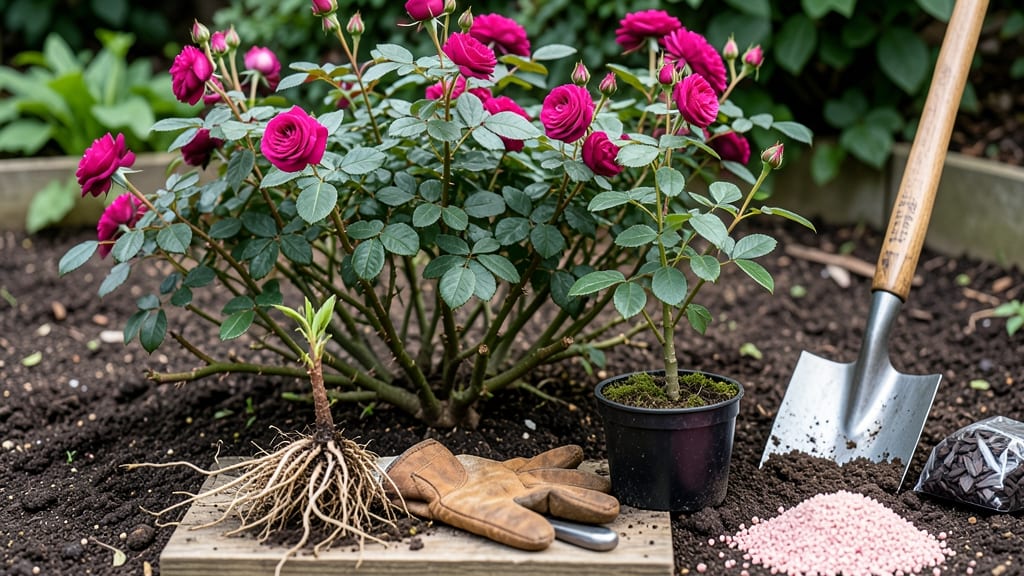
Planting roses in Texas at the wrong time can mean the difference between stunning blooms and struggling shrubs—so timing isn’t just important, it’s critical for survival in the Lone Star State’s extreme climate.
If you’ve ever watched your 🌹 roses wilt under scorching summer heat or freeze in an unexpected cold snap, you know how fragile these beauties can be.
Texas gardeners face unique challenges with its wide range of hardiness zones—from 8a in the Panhandle to 10b in the Rio Grande Valley—and each zone demands a different approach.
I’ve spent years perfecting the art of Texas rose planting, and what I’m about to share will help you avoid common pitfalls.
Whether you’re a seasoned gardener or just starting, knowing when to plant—whether it’s fall or early spring—is the key to thriving roses that reward you with vibrant blooms all season long.
Let’s dive into the best months for your Texas roses, tailored to your specific zone, so you can enjoy those fragrant 🌹 flowers year after year without the guesswork.
Texas rose planting calendar by hardiness zones (7b-10a)
Texas spans USDA hardiness zones 7b through 10a, meaning your ideal rose planting window varies dramatically from the Panhandle to South Texas.
In North Texas (zones 7b-8a), you’ll want to plant 6-8 weeks before the first frost—typically October through November—while South Texas (zones 9a-10a) gardeners can plant year-round with minimal frost risk. The key is soil temperature: roses thrive when roots can establish in 60-65°F soil.
For bare-root roses, fall planting is ideal because cooler temperatures reduce transplant shock and encourage root development before winter. Container-grown roses, however, offer more flexibility—you can plant them anytime the ground isn’t frozen, even in early spring (February-March) for a summer bloom advantage.
Just avoid planting when soil temps exceed 80°F, as this stresses young roots.
Here’s how Texas’ microclimates break down for rose planting:
| Zone | Ideal Planting Window | Soil Temp Requirement | Notes |
|---|---|---|---|
| 7b-8a (North Texas) | October 15–November 15 | 60–65°F | Avoid planting after November 30—frost risk increases. |
| 8b-9a (Central Texas) | September 15–November 1 or February 1–March 15 | 60–70°F | Spring planting works for container roses only. |
| 9b-10a (South Texas) | Year-round (avoid peak summer) | 60–75°F | Best months: September–November or February–April. |
In North Texas (zones 7b-8a), aim to plant bare-root roses by November 15 to allow roots to establish before winter. Use mulch (3-4 inches) to insulate roots from freezing temperatures, which can drop below 15°F in the Panhandle.
For container roses, you can plant as late as March 15 in these zones, but expect delayed blooming if planted after February 15.
Central Texas (zones 8b-9a) offers the most flexibility. You can plant fall or spring, but spring planting (February-March) requires daily watering to combat Texas heat stress. Pro tip: Soak the planting hole 24 hours before transplanting to reduce shock.
In South Texas (zones 9b-10a), where winters are mild, you can plant almost anytime, but avoid June-August when soil temps exceed 85°F.
One common mistake? Planting too early in spring when soil is still cold (below 60°F). Roses planted in March in North Texas often struggle to root before summer heat arrives. Instead, prioritize fall planting for stronger root systems by next spring.
For container-grown roses, you can cheat the system by planting in early spring (February) and providing shade cloth (30-50%) during peak afternoon heat.
Texas’ variable rainfall also plays a role. After planting, water deeply 2-3 times per week for the first 4-6 weeks to encourage root growth. In drought-prone areas (West Texas), consider drip irrigation to deliver 1-2 inches of water weekly directly to the root zone.
Avoid overhead watering, which can spread fungal diseases like black spot—a common rose nemesis in Texas’ humid summers.
For best results, pair your planting schedule with local frost dates. Check the Texas A&M AgriLife Extension for your county’s average last frost date—this is your planting deadline for fall.
In East Texas (zone 8a), this might be December 15, while in West Texas (zone 8b), it could be as late as January 15. Timing is everything when it comes to Texas rose success!
Texas rose planting calendar by hardiness zones (7b-10a)
Texas spans USDA hardiness zones 7b through 10a, creating wildly different planting windows for roses. In North Texas (7b-8a), frost can strike as early as mid-December, while South Texas (9b-10a) enjoys frost-free winters.
This means your 🌹 roses in Amarillo need a completely different schedule than those in Corpus Christi.
The golden rule for Texas roses? Plant when soil temperatures dip below 75°F but stay above 50°F. This gives roots time to establish before summer’s brutal heat or winter’s freeze.
For most Texas gardeners, that means fall (October-November) or early spring (February-March)—but let’s break it down by zone so you don’t guess.
🌱 Did You Know? Texas A&M Extension reports that roses planted in fall often bloom earlier the following spring because they establish roots during cooler months. Meanwhile, spring-planted roses may struggle through summer’s heat before settling in.
| Zone | Best Planting Months | Soil Temp Requirement | Frost Risk | Special Notes |
|---|---|---|---|---|
| 7b-8a (Panhandle, North) | October–November or February–March | 50°F–65°F | High (Dec–Feb) | Use mulch to protect roots in winter. |
| 8b-9a (Dallas, Austin) | September–October or February–March | 55°F–70°F | Moderate (Jan–Feb) | Bare-root roses thrive in fall; container roses can plant year-round. |
| 9b-10a (Houston, South TX) | October–November or January–February | 60°F–75°F | Low (Dec–Jan) | Heat-tolerant varieties like Knock Out roses perform best. |
If you’re planting bare-root roses, fall is ideal—they’ll establish roots before summer’s heat. But container-grown roses can go in year-round in zones 9b-10a, thanks to milder winters. Just avoid planting during peak summer heat (June-August), when roots can’t recover from transplant shock.
Pro tip: Test your soil’s moisture and temperature before planting. Stick a thermometer 6 inches deep—if it’s above 75°F, wait. And always water deeply after planting to eliminate air pockets around roots. Your roses will thank you with vibrant blooms all season.
Ready to pick your perfect planting window? Check your local frost dates and soil conditions, then grab those 🌹 roses before the next heatwave hits!