
Plants
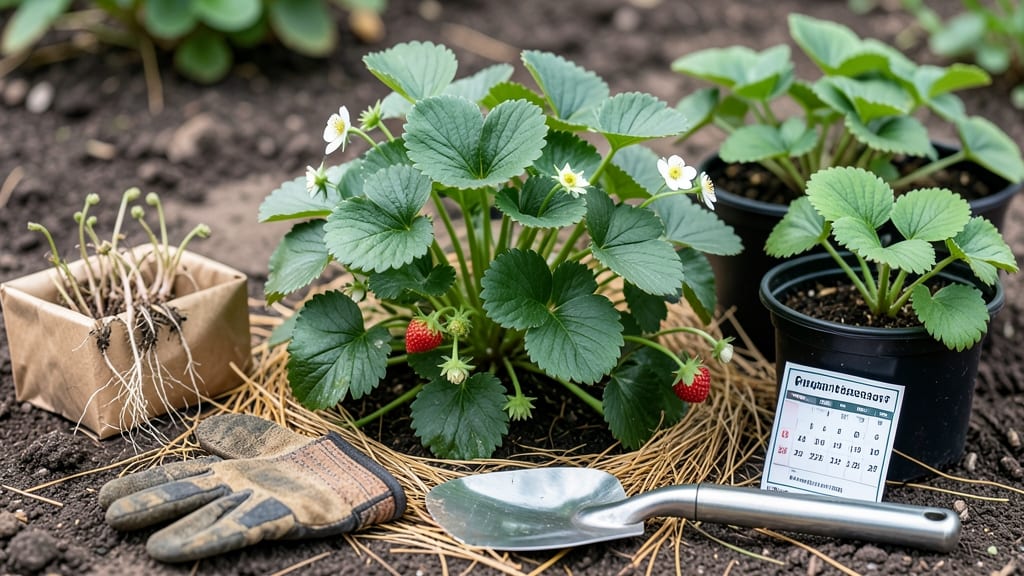
Timing your 🍓 strawberry planting in New York can mean the difference between a bountiful harvest and a disappointing one. With USDA zones ranging from 5b to 7b, knowing when to plant is crucial for success—especially when unpredictable springs and early frosts come into play.
Most gardeners in New York opt for early spring planting between March and April, but late summer (August-September) also works for a fall harvest. The key is getting those roots established before the first frost hits, whether you're using bare-root plants or potted varieties.
If you're in southern New York, you might start as early as February for an early harvest, while northern regions should wait until after the last frost date—usually around April 15. The right timing ensures your strawberries thrive, not just survive.
In this guide, I’ll break down the best planting windows by zone, soil prep tips, and how to extend your harvest season. Let’s get those strawberries growing the right way!
New York strawberry planting calendar by hardiness Zone (5, 6, and 7)
New York spans USDA zones 5b through 7b, meaning your last frost date can vary dramatically from Long Island (Zone 7b) to the Adirondacks (Zone 5b).
In Zone 5b, aim to plant strawberries 4-6 weeks before the last frost (typically mid-April), while Zone 7b gardeners can start as early as late March. Understanding these zones helps you avoid late frost damage or overly delayed harvests.
For bare-root plants, soak roots for 2-4 hours before planting. Potted strawberries can handle slightly later planting since their roots are already established. Both types thrive in well-draining, slightly acidic soil (pH 5.5-6.8).
Amend your soil with compost or aged manure 2-3 weeks before planting to give roots a nutrient boost.
Here’s your New York strawberry planting calendar, tailored to zones 5, 6, and 7:
In Zone 5b, where winters are harsher, focus on June-bearing varieties like 'Allstar' or 'Honeoye', which produce a single massive harvest in late June. These varieties handle cold snaps better than everbearing types.
Meanwhile, Zone 7b gardeners can experiment with day-neutral varieties like 'Seascape' or 'Tristar', which yield fruit throughout the season.
Regional microclimates also play a role. For example, Long Island’s coastal areas (Zone 7b) experience milder winters, allowing for earlier spring planting and extended fall harvests.
Conversely, the Finger Lakes region (Zone 5b-6a) often sees late May frosts, so gardeners there should delay planting until after May 15 or use frost cloth for protection.
If you’re planting bare-root strawberries, do it on a cool, cloudy day to reduce transplant shock. Dig holes twice as wide as the root ball and space plants 18–24 inches apart in rows 3–4 feet apart.
For potted plants, simply dig a hole the same depth as the pot and gently remove the plant, preserving the root ball.
Mulch immediately after planting with 2–3 inches of straw to retain moisture, suppress weeds, and protect roots from temperature fluctuations. Avoid wood chips, which can compact soil and harbor disease.
Water deeply after planting and keep soil consistently moist (but not soggy) for the first 2–3 weeks to encourage root establishment.
Pro tip: Mark your planting date on a calendar and note the average last frost date for your area. This helps you predict harvest times—most June-bearing varieties take 60–70 days to fruit after planting, while everbearing types may produce fruit 30–40 days later.
🌱
Spring vs. fall planting: which works better in New York’s climate?
Deciding between spring and fall planting for strawberries in New York depends on your goals and local climate. Both seasons have advantages, but understanding their trade-offs will help you choose the best approach for your garden.
Spring planting (March–April) is the most popular choice because it aligns with the natural growing season. Strawberries planted in early spring have time to establish roots before summer heat arrives, leading to a stronger harvest in June and July. This method is ideal for gardeners in USDA zones 6 and 7, where winters are milder.
However, spring planting comes with risks. Late frosts can damage young plants, and soil may still be too cold for optimal root growth. To mitigate this, I always check the last frost date for my area—usually around April 15—and wait until after that date to plant.
Spring Planting Pros & Cons
✅ Pros
- Longer growing season for harvest
- Easier to monitor soil warmth
- Better for June–July harvests
❌ Cons
- Risk of late spring frosts
- Soil may still be cold
- Weeds compete early in season
Fall planting (August–September) offers a different advantage: strawberries get a head start on root growth before winter dormancy. This method is especially useful in northern New York (zone 5b), where winters are harsher. When planted in late summer, strawberries develop strong roots before the ground freezes, leading to earlier and more vigorous growth in spring.
For fall planting, aim to get your strawberries in the ground 6–8 weeks before the first frost (usually by September 15 in most of New York). This gives them enough time to establish roots before winter sets in.
I’ve found that bare-root plants work best for fall planting because they adapt more easily to cooler soil temperatures.
One downside of fall planting is that you’ll miss the primary harvest window in June and July. Instead, you’ll get a smaller harvest in September or October, just before the first hard frost. However, the trade-off is worth it for gardeners in colder zones who struggle with spring planting.
To decide which method works best for you, consider your local frost dates, soil type, and harvest goals. If you’re in a milder zone (like Long Island or the Hudson Valley), spring planting might be your best bet.
But if you’re in the Adirondacks or Catskills, fall planting could give you a stronger, more reliable crop the following year.