
Plants
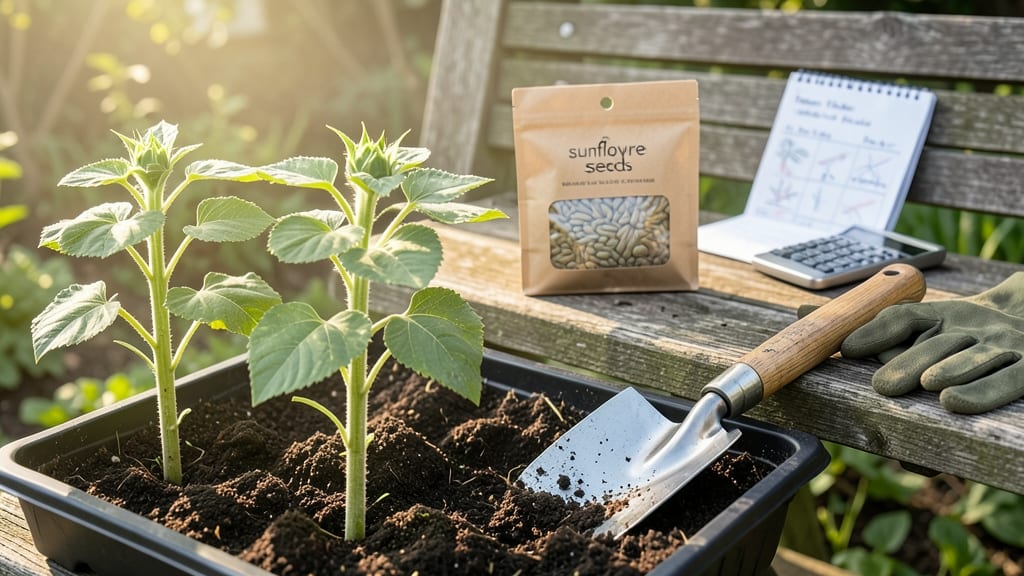
Planning to plant sunflower seeds in Ohio? Timing is everything—plant too early, and frost could ruin your 🌻 dreams; too late, and your towering beauties might not reach their full potential before winter sets in.
Ohio’s Zone 6a climate means your best window runs from mid-April to early June, right after the last frost date (usually around April 15). But don’t stress if you miss that—some fast-growing varieties can still thrive with a late June start.
Why does timing matter so much? Sunflowers need 70–120 days to mature, and Ohio’s short growing season demands precision. Planting at the right moment ensures your sunflowers soak up enough sunlight to grow 8–12 feet tall—or even taller for giant varieties.
In this guide, I’ll break down the exact frost-free timeline for Ohio, soil temperature tips, and how to adjust for your specific region. Let’s get those seeds in the ground the right way!
Ohio sunflower planting timeline: frost dates and hardiness zones
Ohio’s frost-free growing season typically spans from mid-April to mid-October, but exact dates vary by region. Most of Ohio falls within USDA Hardiness Zones 5-7, with northern areas (like Toledo) experiencing later last frosts than southern regions (like Cincinnati).
For sunflowers, timing is everything—plant too early, and frost will damage tender seedlings; too late, and your giant varieties won’t mature before winter sets in.
Sunflowers thrive when soil temperatures reach at least 50°F (10°C), but they won’t germinate well below 60°F (15°C). In Ohio, this usually aligns with mid-April to early May for most zones.
However, using a soil thermometer to confirm consistent warmth is the surest way to avoid delays. Southern Ohio often sees these conditions 2 weeks earlier than northern Ohio, so adjust accordingly.
The average last frost dates in Ohio range from April 15 (southern Ohio) to May 1 (northern Ohio). To maximize your sunflowers’ growth, aim to plant seeds 2-3 weeks after your area’s last frost date.
This gives seedlings time to establish roots before summer heat arrives. For example, in Columbus (Zone 6a), planting in late April is ideal, while in Cleveland (Zone 6b), early May is safer.
Here’s a quick reference for Ohio’s frost-free windows and how they impact sunflower planting:
For tall varieties like ‘Mammoth’ or ‘Russian Giant’, which take 90–120 days to mature, planting in late April to early May ensures they’ll reach their full height before frost.
Shorter varieties (60–80 days to maturity) can tolerate later plantings, even into early June, but yields may be smaller. Always check your seed packet for days to maturity to align planting with Ohio’s 165-day frost-free season.
Pro tip: Use black plastic mulch to warm soil faster in cooler zones, or plant near south-facing walls to extend the season. This is especially helpful in northern Ohio, where shorter summers limit growth.
Start with direct sowing—sunflowers dislike transplanting—and space seeds 1 inch deep, 6 inches apart in rows 2–3 feet apart for optimal airflow and sunlight exposure.
If you’re in Zone 5 (northern Ohio), consider starting seeds indoors 2–3 weeks early under grow lights, then transplant after the last frost. However, sunflowers often bolt (flower prematurely) if crowded indoors, so direct sowing outdoors is usually better.
Monitor your local Almanac frost predictions for real-time adjustments—Ohio’s weather can shift faster than expected!
Remember, sunflowers are fast growers but sensitive to cold snaps. If a late frost threatens after planting, cover seedlings with row fabric or a cloche until temperatures stabilize. With the right timing, you’ll be harvesting vibrant blooms and edible seeds by late summer—just in time for Ohio’s golden autumns.
Direct sowing vs. starter plants: Ohio-specific planting strategies
Ohio’s variable soil conditions—from clay-heavy areas in the north to loamy soils in the south—make direct sowing the best approach for sunflowers. Unlike many plants, sunflowers hate being transplanted, so starting them indoors often leads to stunted growth or premature bolting.
Instead, I recommend planting seeds directly in the garden once soil temperatures hit 50°F+, which aligns with Ohio’s late April to early May window for most regions.
If you’re growing giant varieties like ‘Mammoth’ or ‘Russian Giant’, spacing is critical. These towering beauties need 2–3 feet between plants to avoid competition for nutrients and sunlight. For dwarf varieties (3–6 feet tall), you can space them 12–18 inches apart.
Always plant seeds 1 inch deep—deeper planting can delay germination, while shallower planting risks drying out the seeds.
Ohio’s clay-heavy soils (common in northern areas) can slow drainage, so amend your garden beds with compost or sand before planting. Aim for well-draining soil to prevent root rot, which is especially risky in Ohio’s humid summers.
A quick soil test can help determine if you need to adjust pH (ideal range: 6.0–7.0) or add organic matter for better structure.
Direct Sowing in Ohio
- Sunflowers hate transplant shock—direct sowing avoids stress.
- Faster growth—no acclimation period needed.
- Better root development in native soil.
- Risk of frost damage if planted too early.
- Requires patience for germination (7–14 days).
Starter Plants in Ohio
- Faster establishment in cooler zones (northern Ohio).
- Easier to control spacing for giant varieties.
- High risk of transplant shock or bolting.
- Limited seedling availability for Ohio-specific varieties.
- Requires indoor setup (grow lights, heat mats).
For northern Ohio gardeners (Zones 5–6), starting seeds indoors 2–3 weeks early under grow lights can work, but only for short-season varieties (60–80 days to maturity). Use biodegradable pots to minimize root disturbance when transplanting.
Harden off seedlings by placing them outdoors for 2–3 hours daily in a protected spot (like a porch or greenhouse) before the final transplant.
Once seedlings emerge (usually in 7–14 days), thin them to 12–24 inches apart depending on the variety. This reduces competition and ensures your sunflowers get enough sunlight and nutrients.
Mulch around the base with straw or grass clippings to retain moisture and suppress weeds—Ohio’s summer heat can dry out soil quickly, especially in sandy or loamy soils.
If you’re late to plant (after early June), opt for fast-maturing varieties like ‘Autumn Beauty’ or ‘Teddy Bear,’ which can still produce blooms before frost. Just be prepared for shorter stems—Ohio’s 165-day frost-free season is tight for giant varieties planted after early June.
Always check your seed packet for days to maturity and adjust your timeline accordingly.