
Flowers
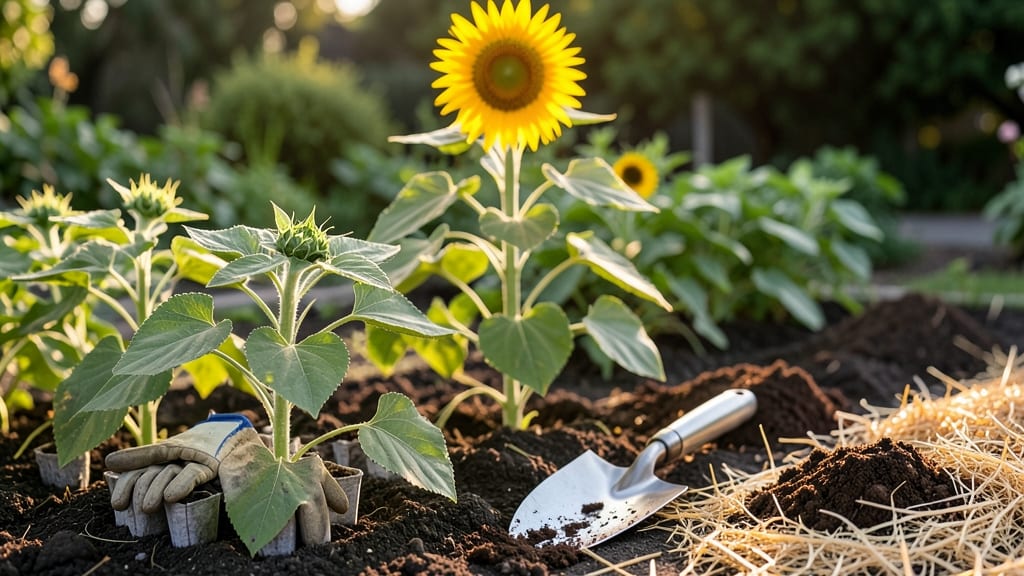
Timing your sunflower planting in Tennessee can mean the difference between towering, vibrant blooms and sad, stunted stalks. The key to success lies in understanding your specific USDA zone—whether you're in East, Middle, or West Tennessee—and planting when soil temperatures hit that sweet spot of 60°F or warmer.
Sunflowers are one of the easiest flowers to grow, but they won't tolerate frost. That's why knowing your last frost date is everything—especially in Tennessee, where spring can be unpredictable.
Whether you're a first-time gardener or a seasoned pro, getting this right ensures your 🌻 sunflowers grow strong and reach their full potential before summer fades into fall.
In this guide, I'll walk you through the exact planting windows for your zone, including when to start seeds indoors (if you choose that route) and how to adjust for Tennessee's microclimates.
You'll also discover which sunflower varieties thrive best in your area and how to extend your growing season for late-summer blooms.
Ready to grow sunflowers that turn heads? Let's dive into the zone-specific deadlines that will give you zero frost risk and the biggest, brightest sunflowers your Tennessee garden has ever seen.
Tennessee planting zones: exact dates to avoid frost damage
Tennessee spans USDA zones 6b-7a, meaning last frost dates can vary by 3-4 weeks across the state. East Tennessee (zone 6b) typically sees its last frost around April 15, while West Tennessee (zone 7a) often warms up by March 15.
These differences directly impact when you can safely plant sunflowers.
Sunflowers need soil temperatures above 60°F to germinate properly. In Tennessee, this usually aligns with mid-April to early May, depending on your zone. Planting too early in cooler soil can lead to rotting seeds or stunted growth, while waiting too long may cut your bloom season short.
Here’s how to pinpoint your exact planting window using Tennessee’s regional frost patterns:
For East Tennessee gardeners, aim to plant by May 15 to ensure sunflowers mature before the first frost in late October. In Middle and West Tennessee, you can push planting slightly earlier—late April—thanks to warmer soils and longer growing seasons.
Sunflowers are annuals with fast growth cycles, typically maturing in 60-120 days depending on the variety. This means a late-April planting in West Tennessee could yield blooms by late June or early July, while East Tennessee plantings might not reach full maturity until August or September.
If you’re in a cooler microclimate (e.g., higher elevations in East Tennessee), consider starting seeds indoors 2-3 weeks early and transplanting after the last frost. Use black plastic mulch to warm the soil faster and extend your growing season.
Always check your local Almanac frost dates for the most precise timeline. Tennessee’s mountain valleys can be 2-3 weeks cooler than nearby plains, so adjust your planting accordingly.
For example, Gatlinburg (zone 6a) may need to wait until May 1, while Memphis (zone 7b) can plant as early as March 30.
Pro tip: Use a soil thermometer to confirm temperatures are above 60°F before planting. Cold soil delays germination and weakens seedlings, setting them up for failure in Tennessee’s humid summers.
Once planted, sunflowers thrive in Tennessee’s full sun and well-draining soil. With the right timing, you’ll enjoy vibrant blooms from summer through fall, even as temperatures drop. Just remember: earlier planting = earlier blooms, but never sacrifice seedling health for speed.
Sunflower varieties by maturity: fast-growing vs. tall-stalked types
Tennessee’s sunflower varieties grow at different speeds, and matching them to your planting window is key to avoiding frost damage. Fast-growing types like 'Moulin Rouge' (60–75 days) can handle late starts, while tall giants like 'Russian Giant' (100–120 days) need early planting to reach their full 12-foot height.
Your zone’s last frost date dictates which varieties thrive best.
For East Tennessee (Zone 6b), aim to plant dwarf varieties like 'Teddy Bear' (60–70 days) in mid-April to bloom before fall frosts. In Middle/West Tennessee (Zone 7a), you can push standard varieties like 'Autumn Beauty' (80–90 days) into late May for late-summer blooms.
Tall varieties need earlier starts—think March to early April—to avoid stunted growth.
Here’s how maturity affects your planting deadlines:
Pro tip: If you love late-season blooms, opt for 'Autumn Beauty'—its bicolor flowers thrive in Tennessee’s cooler fall temps. For early harvests, 'Moulin Rouge' delivers edible seeds in as little as 60 days. Just remember: taller varieties need staking and more space (2–3 feet apart) to avoid flopping in summer storms.
In Zone 7a, you can even experiment with fall planting—sow 'Teddy Bear' in early September for winter interest (they handle light frosts!). Just monitor soil temps—sunflowers won’t sprout below 60°F. Use a soil thermometer to time your last chance for fall starts.
🌻