
Plants
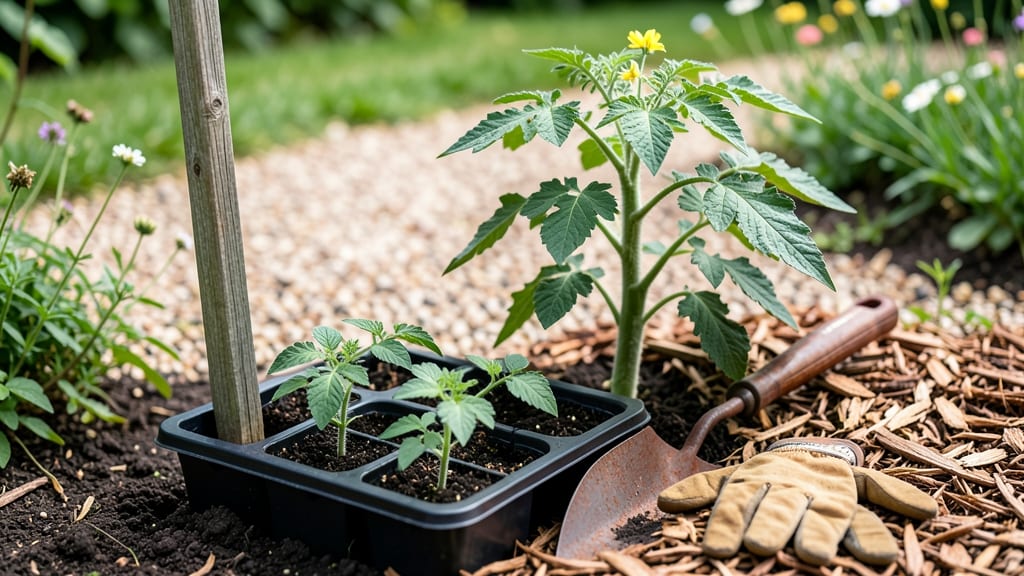
Timing when do you plant tomatoes in Illinois isn't just about avoiding frost—it's about unlocking the sweetest, most productive harvests your garden can grow.
With USDA zones 5b-6b spanning from Chicago's urban heat islands to rural Southern Illinois, the "perfect" week to plant can shift by two weeks or more depending on where you live.
Most gardeners in Illinois wait until after the last frost date (typically mid-April), but that's just the starting point.
The real secret lies in soil temperature—your 🍅 seedlings need soil that's warmed to at least 60°F to thrive, which can take weeks longer in northern Illinois than in warmer southern counties. Even a 5°F difference in average spring temps changes everything.
Whether you're starting seeds indoors or transplanting seedlings, this guide breaks down the exact weeks to plant for your microclimate—plus how to adjust for urban containers, raised beds, and even elevation changes that can shift your planting window by days.
Let's get those tomatoes in the ground at the right time for maximum flavor and yield.
You'll discover how to use black plastic mulch to warm soil faster, which tomato varieties handle late starts best, and why some gardeners in zone 5b swear by planting as late as early June. Ready to grow tomatoes that taste like summer all season long?
Illinois planting zones & exact weeks to start tomatoes for maximum yield
Illinois spans USDA zones 5b-6b, meaning your last frost date can vary by 3-4 weeks from northern to southern regions. In Chicago (Zone 5b), the average last frost hits around May 15, while Southern Illinois (Zone 6b) typically warms up by April 20.
These dates dictate whether you’ll start seeds indoors in March or transplant seedlings in late April.
For maximum yield, soil temperature must reach at least 60°F (15°C)—cold soil stunts root growth. Use a soil thermometer to confirm warmth before planting. In Northern Illinois, this often means waiting until late May, while Central and Southern Illinois can plant 2-3 weeks earlier.
Here’s how to align your planting with Illinois’ microclimates for heavy fruit sets:
🌱 Pro Tip: Use black plastic mulch to warm soil 5–10°F faster, letting you plant 1–2 weeks earlier.
If you’re starting seeds indoors, begin 6–8 weeks before your region’s last frost date. For Northern Illinois, that’s early March; for Southern Illinois, late February. Use grow lights to prevent leggy seedlings, and harden them off for 1 week before transplanting.
For direct sowing, wait until soil is warm enough to avoid blossom end rot later. In Chicago, this often means late May or early June. Plant seeds ½ inch deep and 1 inch apart, thinning to 2–3 feet apart for full-sized varieties like ‘Brandywine’.
Urban gardeners in Chicago or Springfield can push limits by using container gardening. Five-gallon pots work for bush varieties like ‘Tiny Tim’, and you can plant 2 weeks later than ground planting since containers warm faster. Just ensure pots have drainage holes to prevent root rot.
Missed the spring window? Don’t panic! Succession planting in July can still yield small harvests before frost. Choose fast-maturing varieties like ‘Early Girl’ (55 days) and use row covers to extend the season by 2–3 weeks.
Track your local frost dates using the Old Farmer’s Almanac or your local Cooperative Extension office. In Northern Illinois, a late frost in May happens once every 3 years, so always have row covers ready.
In Southern Illinois, the risk drops to once every 5 years, giving you more flexibility.
🌱
Microclimate adjustments: how elevation, urban heat islands, and soil type shift planting dates
Illinois' diverse microclimates mean your neighbor's perfect planting window might not work for you. For example, Peoria's warmer climate lets gardeners plant 2 weeks earlier than Rockford's cooler zones. Even within cities, urban heat islands can push planting dates 5-7 days forward compared to rural areas.
Elevation plays a critical role too. Gardens in northern Illinois (like Chicago suburbs) often face later last-frost dates (May 15), while southern Illinois (near St. Louis) can plant as early as April 15.
A 1,000-foot elevation gain can delay planting by 10-14 days due to cooler nights.
For urban gardeners, consider vertical growing or trellises to maximize space and warmth. If you're unsure about your microclimate, check local cooperative extension service data or use a weather station app to track soil temps for 2-3 seasons.
Pro tip: Test your soil 2 weeks before planting. If temps are below 50°F, delay planting or use heat mats for containers. Warm soil = faster germination and stronger seedlings.
Remember, late planting isn't a failure—it's an opportunity. With succession planting or cold frames, you can still harvest tomatoes in October even if you plant in June. The key is choosing fast-maturing varieties like 'Early Girl' or 'Patio' for shorter seasons.