
Companion Plants
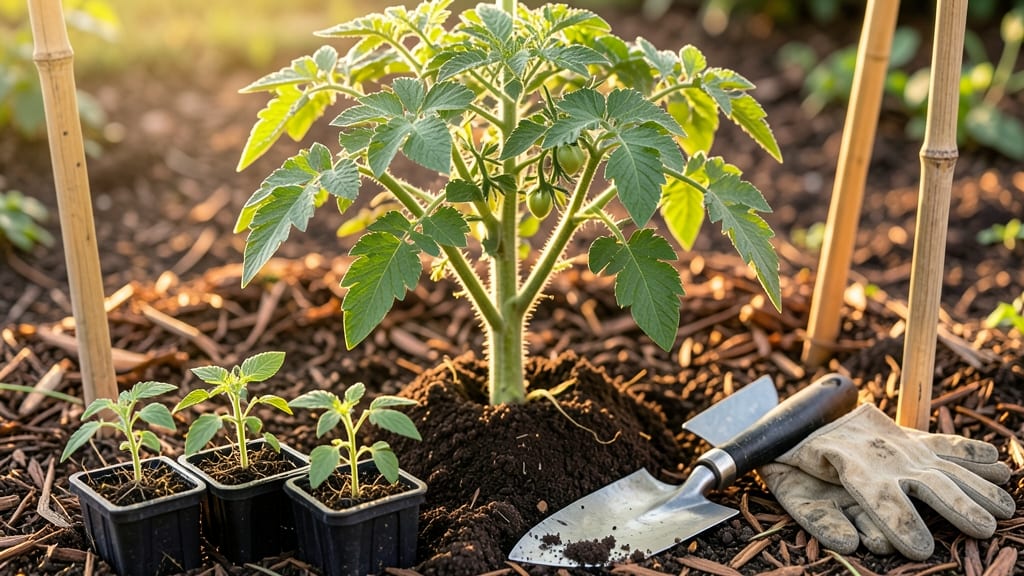
When should I plant tomatoes in Illinois? Timing your 🍅 tomato planting in Illinois could mean the difference between a thriving garden and wasted effort—especially when frost dates shift unpredictably each year. In Zone 5, where temperatures fluctuate wildly, getting those seeds in the ground too early or too late can leave your plants struggling or even lost to cold snaps.
Most Illinois gardeners know the general rule: wait until after the last frost, usually around mid-April to early June. But here's the catch—soil temperature matters just as much as air temperature.
Planting too soon when the ground is still chilly can stunt growth, while waiting too long might cut your harvest short before fall frost hits.
I’ve tested different methods over the years, from starting seeds indoors to using row covers for early planting. The key is balancing your local frost dates with your tomato variety’s needs—whether you’re growing fast-maturing cherry tomatoes or larger heirlooms that need more time to ripen.
In this guide, I’ll walk you through the exact steps to time your planting perfectly, including how to adjust for Illinois’ unpredictable weather and extend your growing season for a longer harvest. Let’s get those tomatoes in the ground the right way!
Illinois Zone 5 frost dates: exact timeline for planting tomatoes
Timing is everything when planting tomatoes in Illinois, where Zone 5 frost dates can swing wildly between years. The average last spring frost typically arrives between April 15 and May 1, but northern Illinois may see frost as late as May 15.
For most gardeners, this means waiting until mid-April to early June to plant tomatoes outdoors.
Tomatoes are frost-sensitive and won’t tolerate temperatures below 50°F at night. Even a light frost can kill young plants, so always check your local frost-date calculator before planting. The National Weather Service and Old Farmer’s Almanac provide reliable frost predictions for Illinois counties.
Here’s how to use frost dates to plan your tomato planting:
- Start seeds indoors 6-8 weeks before your last frost date (typically by March 1).
- Transplant seedlings outdoors only after soil warms to 60°F and nighttime temps stay above 50°F.
- Use row covers if planting early to protect young plants from late frosts.
Southern Illinois (Zone 6) has a slightly longer growing season, with first fall frosts often arriving in mid-October. Northern Illinois (Zone 4b) may see frost as early as September 30, so plan accordingly.
🌱
| Stage | Action | Illinois Timeline |
|---|---|---|
| Start Seeds Indoors | Sow seeds in trays with grow lights | March 1 - March 15 |
| Hardening Off | Acclimate seedlings to outdoor temps | April 1 - April 15 |
| Transplant Outdoors | Plant after last frost, soil ≥60°F | Mid-April to early June |
| First Harvest | Early varieties ready in 60-70 days | Late June to July |
| Peak Production | Main harvest window | July to September |
| Fall Planting | Late varieties for extended harvest | Late July to August |
For early planting success, use cold-hardy varieties like ‘Stupice’ or ‘Mountain Merit’, which tolerate cooler soils. If you’re unsure about frost dates, opt for heat-tolerant varieties like ‘Heatmaster’ or ‘Solar Fire’, which perform well in Illinois’ summer heat.
Always monitor your local microclimate—valleys and low-lying areas may experience frost 1-2 weeks later than hilltops. A simple frost cloth or row cover can buy you an extra 2-3 weeks of growing time in spring or fall.
Pro tip: Plant fast-maturing varieties (60-70 days to harvest) if your season is short. ‘Early Girl’ and ‘Patio’ tomatoes are excellent choices for Illinois gardeners with limited time.
🌡️
Never plant tomatoes before the soil reaches 60°F—cold soil slows germination and increases disease risk. Use a soil thermometer to check temperatures at a 4-inch depth. If your soil is still chilly, consider using black plastic mulch to warm it faster.
For fall planting, aim to harvest before the first frost. Late varieties like ‘Brandywine’ or ‘Cherokee Purple’ need more time but reward with heirloom flavors. If frost hits early, use row covers to extend the season by 2-4 weeks.
Best tomato varieties for Illinois: heat-tolerant picks for early/late planting
Choosing the right tomato varieties for Illinois is just as important as timing your planting. The heat and humidity in Zone 5 can stress some varieties, while others thrive in these conditions.
I’ve grown dozens of types over the years, and a few stand out for their reliability and flavor in our climate.
For early planting (March-April), opt for fast-maturing varieties that can handle cooler soils. These include ‘Early Girl’ (60 days) and ‘Stupice’, a cold-tolerant heirloom that produces fruit even in 50°F soil. These are perfect if you’re using row covers or starting seeds indoors.
The summary-table below breaks down the best varieties for Illinois, categorized by planting window and heat tolerance. Each variety is tested for its ability to handle our unpredictable springs and hot summers—no floppy, sunscalded messes here!
If you’re planting in late May or June, focus on heat-tolerant varieties like ‘Solar Fire’ or ‘Heatmaster’. These handle Illinois’ summer heat and humidity without wilting or cracking. For cherry tomatoes, try ‘Sweet Million’—it’s prolific and disease-resistant, perfect for containers or trellises.
Pro tip: Always check the seed packet for days to maturity and adjust your planting date accordingly. If you’re aiming for a fall harvest, choose varieties with a shorter maturity time (like ‘Patio’ or ‘Tiny Tim’) to beat the first frost.
Finally, consider soil temperature when selecting varieties. Most tomatoes need soil at 60°F or warmer to germinate and grow well. Use a soil thermometer to confirm before planting—it’s a game-changer for Illinois gardeners!