
Plants
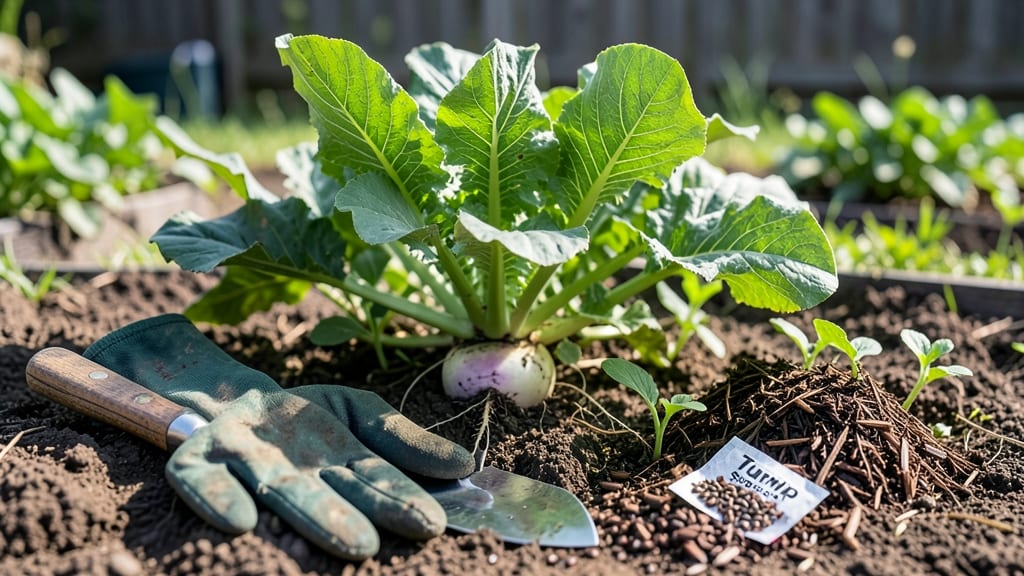
Planting turnips in Georgia isn’t just about timing—it’s about beating the heat and avoiding the dreaded bolting that turns your crisp roots into bitter greens before harvest.
With Georgia’s 7b-8b climate, you’ve got a narrow window to get these 🥕 cold-hardy crops in the ground just right, whether you’re aiming for a fall or spring bounty.
Most gardeners miss the mark by planting too late in spring or too early in summer, when the heat triggers early flowering.
But here’s the secret: the best turnip planting months in Georgia are late August to early September for fall harvests, or early March for spring crops—both timed to give you sweet, tender roots before the weather turns against you.
Why does this matter? Because turnips thrive in cool weather, and Georgia’s unpredictable shifts from humidity to frost can make or break your harvest.
I’ll show you exactly how to pick the right varieties, prepare your soil, and adjust for your local microclimate to grow turnips that stay crisp and delicious—no bitter surprises included.
Ready to turn your garden into a turnip powerhouse? Let’s dive into the exact steps to plant, nurture, and harvest these versatile veggies like a pro, no matter which season you choose.
Best turnip planting months in Georgia (avoid bolting & heat stress)
Georgia’s USDA Zones 7b-8b create a unique challenge for turnip growers—too early, and your plants bolt before harvest; too late, and heat stress turns roots woody.
The sweet spot is planting 4-6 weeks before your first frost (typically mid-August to early September) for a fall harvest or 4-6 weeks before your last frost (around mid-March) for spring.
Fall turnips thrive when soil temps stay between 60-75°F—ideal conditions for root development. Spring plantings need to beat Georgia’s unpredictable warm spells, which can trigger bolting (flowering) in just 3-4 weeks if temps hit 70°F+. Timing is everything to avoid bitter greens or tough roots.
Here’s my exact monthly breakdown for Georgia growers, including temperature thresholds and variety recommendations to maximize your harvest:
Aim for soil temps below 75°F to prevent bolting. Plant Purple Top White Globe or Tokyo Cross for crisp roots by October-November.
For a winter harvest, plant cold-hardy varieties like Hakurei by mid-September. Use row covers after frost to extend harvests into February.
Plant 4-6 weeks before last frost (typically March 15) for a May-June harvest. Choose heat-tolerant varieties like Shinano Cross to delay bolting.
Georgia’s April warmth (70°F+) triggers bolting in 3-4 weeks. If you must plant, use shade cloth (30-50%) to keep soil temps cool.
Optimal growth: 60-75°F | Bolting risk: 70°F+ | Frost tolerance: 20°F (with row covers).
Pro tip: Use a soil thermometer to monitor temps—turnips thrive when soil stays below 75°F. In Georgia’s heat, even a 5°F difference can mean the difference between sweet roots and bitter greens.
For fall plantings, direct-sow seeds ½ inch deep, 2 inches apart, in well-draining soil with a pH of 6.0-7.0. Space rows 12-18 inches apart to prevent crowding, which leads to small, misshapen roots. Mulch with straw or leaves to retain moisture and regulate soil temps.
Spring plantings require extra vigilance—Georgia’s unpredictable warm spells can turn your turnips into bitter bolts overnight. Start with shade cloth if temps rise above 65°F, and always choose fast-maturing varieties (40-50 days to harvest) to beat the heat.
Remember: Turnip greens are more heat-tolerant than roots, so if your roots bolt, harvest the tender greens for salads or sautéing. They’re packed with vitamin C and calcium and add a peppery kick to dishes.
If you’re planting for a winter harvest, don’t skip the row covers—they protect against light frosts (25-30°F) and extend your season by 4-6 weeks. Just remove them on warm days (above 50°F) to prevent overheating.
🌱
Best turnip planting months in Georgia (avoid bolting & heat stress)
Georgia’s 7b-8b climate gives you two prime windows to plant turnips: late summer/fall for a winter harvest and early spring for a spring bounty. The key is avoiding heat stress (which causes bolting) and frost damage (which ruins roots).
For most of Georgia, the sweet spot is August 15–September 15 for fall crops and March 1–March 15 for spring.
Why these dates? Turnips need cool soil temperatures (below 75°F) to grow properly. Planting too early in summer means your turnips will bolt before you can harvest, while planting too late risks frost damage before maturity.
I’ve grown turnips in Athens, Savannah, and Dalton—here’s what works best for each region’s microclimate.
🌱 Georgia Turnip Planting Timeline
- 📅 Late August (Zone 7b) – Start seeds indoors or direct-sow for a fall harvest before frost.
- 📅 Mid-September (Zone 8b) – Last chance for fall planting; use cold-hardy varieties like 'Purple Top White Globe'.
- 📅 Early March (All Zones) – Ideal for spring turnips; soil should be 50–60°F.
- 📅 Avoid April–June – Heat triggers bolting (flowering before harvest).
- 📅 October–November – Only for overwintering with row covers (extend harvest into February).
For a fall harvest, aim to plant 60–70 days before your first frost (typically mid-November in Georgia). In Zone 7b, that means sowing by September 1, while Zone 8b gardeners can push it to September 15.
Use quick-maturing varieties (like 'Tokyo Cross') if you’re planting later.
Spring planting is trickier because Georgia’s unpredictable warmth can sneak up fast. Start seeds indoors in February and transplant mid-March once night temps stay above 40°F. If you direct-sow, use shade cloth to protect seedlings from sudden heat spikes—this buys you 2–3 extra weeks before bolting.
Pro tip: Soil temperature is more critical than air temperature. Use a soil thermometer to confirm it’s below 75°F before planting. In hotter areas like Macon or Columbus, wait until late August even if your neighbors start earlier. Patience here means crisp roots, not bitter greens.
Remember, turnips are cool-season crops, so they’ll bolt if stressed by heat. By following these exact months, you’ll avoid the #1 mistake Georgia gardeners make—planting too early and ending up with flowers instead of food.
Stick to this schedule, and you’ll enjoy harvests from October to December (fall) or May to June (spring).