
Vegetables
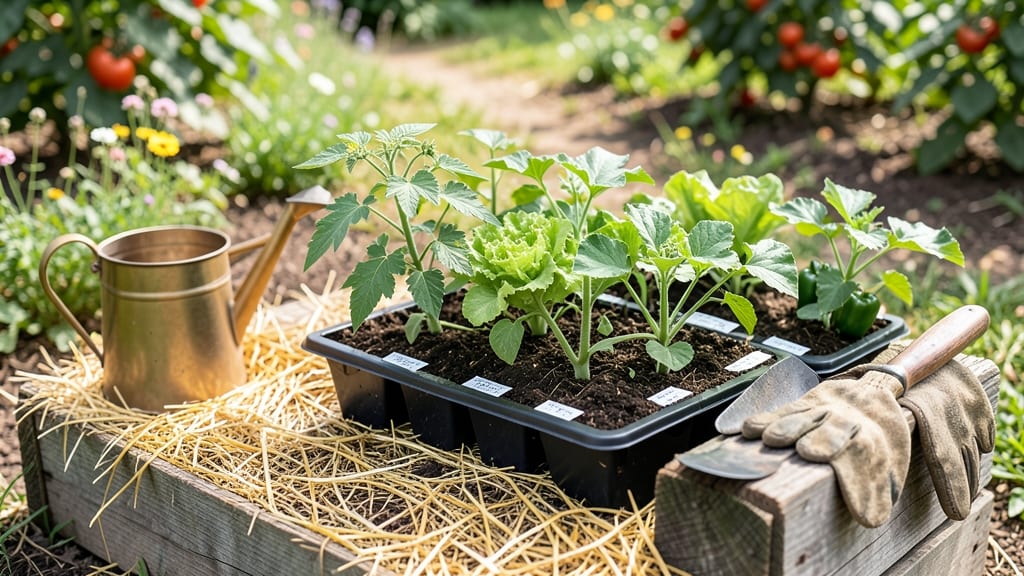
Timing your vegetable planting in Oklahoma isn't one-size-fits-all—get it wrong, and you might end up with bolted lettuce or stunted tomatoes. The 6b-7a zones across the state mean frost dates can shift by weeks, from the Panhandle's crisp air to Oklahoma City's slower warming soil.
If you've ever wondered why your neighbor's garden thrives while yours struggles, the answer likely lies in microclimate mastery.
Whether you're in Tulsa's humid East or the drier West, knowing exact frost-free deadlines is the key to planting cool-season crops like broccoli in March or warm-season peppers after soil hits 60°F.
I'll show you how to read Oklahoma's 180-210 frost-free days like a pro, including when to start seeds indoors and which vegetables deserve a head start. Spoiler: Your 🥕 harvest timing depends on more than just the calendar—soil temperature and local weather patterns play starring roles.
Ready to transform guesswork into garden gold? Let's dive into the region-specific planting windows that will have you enjoying homegrown veggies from May through October—no more wasted seeds or missed opportunities.
Oklahoma planting zones & frost-free deadlines by region (2024 guide)
Oklahoma’s 7 distinct microclimates create a gardening puzzle where a Panhandle gardener’s schedule differs by weeks from one in Southeast Oklahoma. The state spans USDA Zones 6b-7a, with last frost dates ranging from early March in the Southeast to late April in the Panhandle.
These differences mean your cool-season crops like broccoli might bolt in Tulsa while thriving in Lawton.
To avoid frost damage or wasted seeds, I’ve mapped out the exact frost-free deadlines for each region, plus the optimal planting windows for both cool-season and warm-season vegetables.
Whether you’re in Oklahoma City’s Zone 7a or the humid Southeast’s Zone 7b, these deadlines will help you time your seed starting and transplanting like a pro.
🌱
For cool-season vegetables like kale, spinach, and peas, the rule is simple: plant 4–6 weeks before your last frost date. In the Panhandle, that means starting seeds indoors by March 1, while Southeast Oklahoma gardeners can sow directly in January.
These crops thrive in 50–65°F soil, so wait until daytime temps consistently stay above 40°F.
Warm-season crops like tomatoes, peppers, and cucumbers demand 60°F+ soil and won’t tolerate frost. Use a soil thermometer to confirm—plant too early, and your seedlings will wilt or rot. In Central Oklahoma, aim for April 1–15; in the Panhandle, wait until May 1–15.
Pro tip: Heat-tolerant varieties like Okra or Sweet Potatoes can handle the Panhandle’s intense summer heat, while Eastern Oklahoma’s humidity suits Southern Peas or Collard Greens.
Always check seed packets for days to maturity—a 90-day tomato planted in May might not ripen before frost in the Panhandle.
🌡️
If you’re unsure about your exact last frost date, check the Oklahoma Mesonet or local Cooperative Extension Service for real-time updates. These resources adjust for yearly weather variations, ensuring your 🥕 harvest timing stays on track. For example,
Best vegetables to plant in Oklahoma by season (with exact months)
Oklahoma’s 180-210 frost-free days create a perfect window for both cool-season and warm-season vegetables. But timing is everything—plant your lettuce too late, and it bolts before you harvest.
Plant your tomatoes too early, and they’ll sulk in cold soil. Let’s break down the exact months for your top crops, tailored to Oklahoma’s USDA Zones 6b-7a.
For cool-season crops like broccoli, spinach, and peas, the magic happens between February and April. These hardy veggies thrive when soil temps hover around 40-50°F, making early spring or late fall your best bets.
In the Panhandle (Zone 6b), start seeds indoors by February 15 for outdoor planting by March 15. Meanwhile, in Tulsa (Zone 7a), you’ve got until April 15 to sow directly into the garden.
Warm-season darlings like tomatoes, peppers, and cucumbers demand patience. Wait until the soil warms to at least 60°F—typically mid-April to May—before planting. In Oklahoma City (Zone 7a), that means April 20 is your sweet spot for tomatoes.
Pro tip: Use a soil thermometer to avoid guesswork. For fall planting, aim for August 1 in most regions, giving crops time to mature before the first frost.
| Season | Vegetable | Planting Month | Notes |
|---|---|---|---|
| Cool | Lettuce | Feb-Apr, Aug-Sept | Direct sow; succession plant every 2 weeks. |
| Cool | Broccoli | Feb-Mar, Aug | Start indoors 6-8 weeks before last frost. |
| Warm | Tomatoes | Apr-May, Aug | Wait for soil to reach 60°F; use row covers early. |
| Warm | Peppers | May-June | Longer season; start indoors in March. |
| Year-Round | Green Onions | Feb-Nov | Fast-growing; harvest as needed. |
Don’t overlook succession planting—it’s your secret weapon for a continuous harvest. For example, sow bush beans every 2 weeks from May to July to enjoy fresh pods all summer.
And if you’re in Southeast Oklahoma (Zone 7a), you can even squeeze in a second crop of greens in late summer for a fall harvest.
One common mistake? Ignoring soil temperature. A soil thermometer is your best friend—cool-season crops need 40-50°F, while warm-season crops stall below 60°F. In Western Oklahoma’s drier climate, mulch heavily to retain moisture and regulate soil temps. And always harden off seedlings before transplanting to avoid shock.
Pro tip: Use Oklahoma State University’s Garden Calendar for real-time updates on frost dates and pest alerts. With these month-by-month guidelines, you’ll avoid the heartbreak of wilted zucchini or blighted tomatoes—and enjoy a garden that’s as productive as it is beautiful.