
Plants
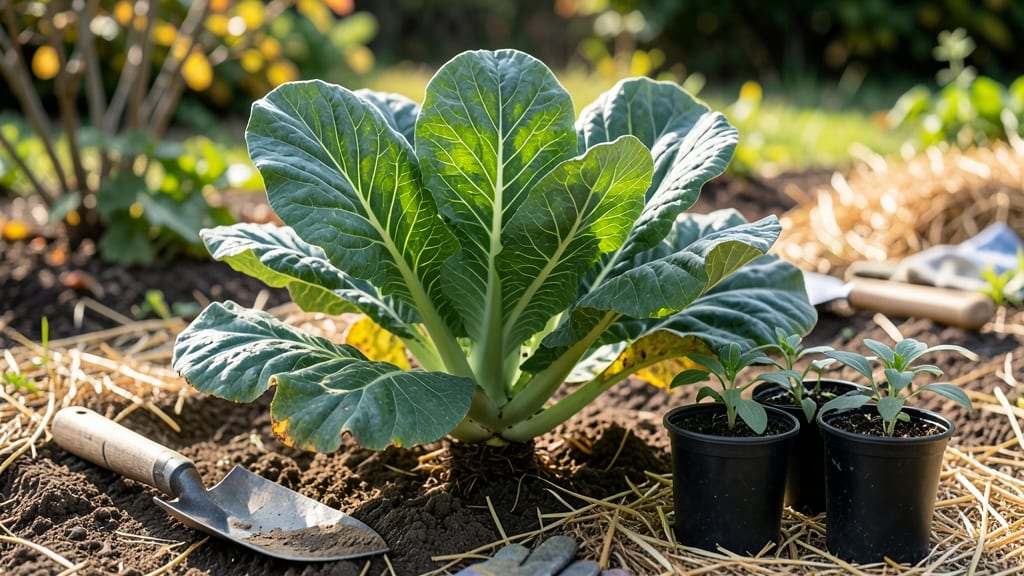
If you're dreaming of a garden bursting with homegrown 🥬 collard greens but struggling with Alabama's unpredictable weather, when to plant collard greens in Alabama is the key to avoiding bolting leaves or stunted growth—both garden heartbreaks.
The secret lies in Alabama's unique 7a-8b climate zones, where two distinct planting windows unlock the key to a thriving harvest.
Most gardeners miss the perfect months because they focus only on spring. But Alabama's long growing season actually gives you two chances to plant: February-March for spring harvests and August-September for fall bounty.
I'll show you exactly how to time it right, including heat-tolerant varieties that won't wilt when summer hits.
What sets Alabama apart? Unlike northern states, you can push your planting later into spring without worrying about frost. We'll cover the exact dates to start seeds indoors or direct-sow, plus pro tips to extend your harvest through December. No more guessing—just reliable, Alabama-proven strategies.
Ready to transform your garden into a collard green powerhouse? Let's dive into the planting schedule that'll have you harvesting crisp, flavorful leaves all season long—no matter what Alabama throws your way.
Best planting months for collard greens in Alabama’s climate zones
Alabama’s warm climate and extended growing season create perfect conditions for growing collard greens, but timing is everything. Unlike northern states, you can plant these heat-tolerant greens in both spring and fall, avoiding the brutal summer heat.
The key is understanding your USDA Zone (7b-8a) and local frost dates to maximize your harvest.
In most of Alabama, the last frost date falls around mid-March, while the first frost typically arrives in mid-November. This gives you a 200-240 day frost-free window, ideal for two planting cycles.
The best time to plant is February-March for spring harvests and August-September for fall harvests, ensuring you avoid the 90°F+ summer temperatures that cause bolting.
For spring planting, start seeds indoors in January or direct-sow in late February once soil temperatures reach 50°F. This gives young plants a head start before the April heat arrives.
For fall planting, aim for late August to give plants enough time to mature before November frosts hit. In southern Alabama (Zone 8a), you can even push fall planting into early September.
| Season | Planting Window | Harvest Window | Key Considerations |
|---|---|---|---|
| Spring | Late February - Early March | April - May | Soil temps ≥50°F; avoid planting after April 15 |
| Fall | Late August - Early September | October - December | Plant 6-8 weeks before first frost; Zone 8a can extend to early Sept |
| Summer (Risky) | June - July | Minimal yield | Use shade cloth; only for heat-tolerant varieties |
If you're in northern Alabama (Zone 7b), like in Huntsville or Decatur, you’ll need to plant 2-3 weeks earlier than southern regions to account for earlier frosts. For example, start spring seeds in January indoors and transplant by late February.
In southern Alabama (Zone 8a), like in Mobile or Birmingham, you have more flexibility—you can even try a small fall planting in early October for a late-winter harvest.
The biggest mistake Alabama gardeners make is planting collards in late spring (May-June) when temperatures exceed 85°F. This causes plants to bolt prematurely, turning bitter and producing flowers instead of tender leaves.
To avoid this, always mulch heavily with straw or black plastic to keep soil temps cool and retain moisture during summer months.
For container growing, which is popular in urban areas like Montgomery or Birmingham, use 5-gallon pots and plant in late February or August. Containers heat up faster, so water daily and move them to partial shade during peak afternoon sun.
Dwarf varieties like ‘Top Bunch’ perform best in containers and can be harvested continuously from April through November with proper care.
Pro tip: Use a soil thermometer to monitor temperatures—collard greens thrive when soil stays between 60-75°F. If your soil hits 80°F+, your plants will struggle, even with the most heat-tolerant varieties. This is why fall planting is often more reliable in Alabama’s climate.
Remember, collard greens are cool-season crops, but they’re more heat-tolerant than lettuce or spinach. With the right timing, you can enjoy fresh greens from April through December—just avoid the dog days of summer (June-August) unless you’re using shade and extra care.
Best planting months for collard greens in Alabama’s climate zones
Alabama’s 7b-8a climate zones give you two prime windows to plant collard greens—spring and fall—each with its own advantages. The spring window (February-March) aligns with rising soil temperatures, while the fall window (August-September) avoids summer’s brutal heat.
I’ve planted collards in both seasons and found that timing directly impacts yield and heat tolerance.
For spring planting, start seeds indoors in late January or direct-sow in February once soil temperatures hit 50°F. This gives you 60-70 days of growth before summer’s heat sets in.
The key is beating the last frost date (typically March 15 in most of Alabama) while avoiding the peak summer heat that causes bolting.
The fall window (August-September) is my favorite because it lets you skip the summer heat while still harvesting before the first frost (around November 15).
Planting in late July can work for extended fall harvests, but you’ll need to use heat-tolerant varieties and provide shade cloth to prevent bolting during Alabama’s hottest weeks.
Pro tip: If you’re in northern Alabama (Zone 7b), aim for March 1 as your last spring planting date. In southern Alabama (Zone 8a), you can push it to March 15 without frost risk. For fall, September 1 is ideal—any later risks early frost before harvest.
One mistake I see often is planting too late in spring or too early in fall. If you sow collards after April 1, they’ll bolt by June. Similarly, planting after September 15 risks frost before maturity. Stick to these windows, and you’ll avoid both extremes.
Remember, soil temperature matters more than air temperature. Use a soil thermometer to confirm 50°F+ for spring and 70°F+ for fall plantings. This simple check saves countless failed attempts.