
Plants
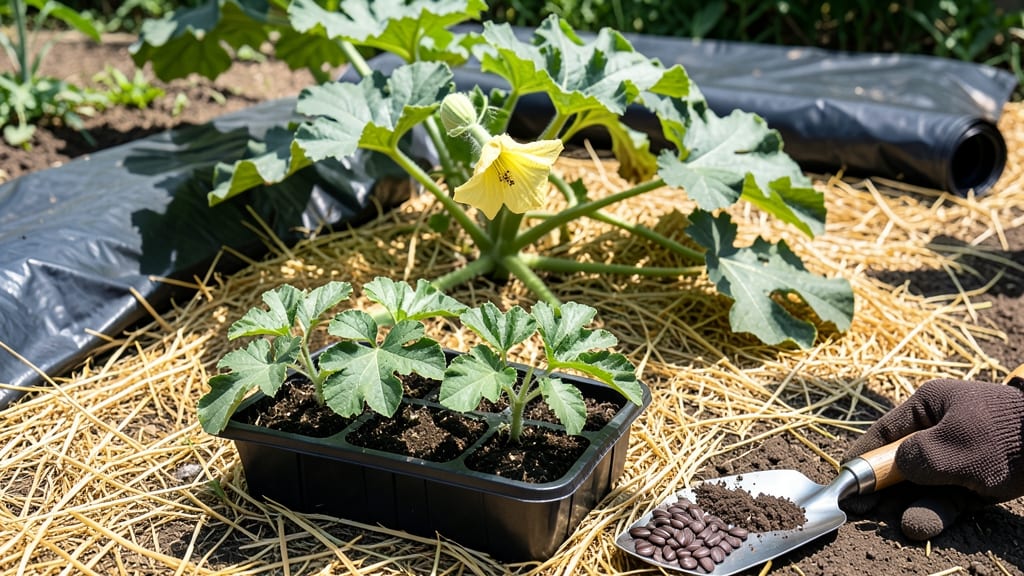
Planting watermelon in Missouri at the wrong time could mean watching your hard work wither before summer even arrives. The key to success isn't just waiting for spring—it's knowing when the soil warms to 70°F+ and all frost danger has truly passed.
Missouri's 5b-6b climate zones create unique challenges, where late April to early June becomes your sweet spot. But timing isn't just about dates—it's about understanding your local microclimate, whether you're in St. Louis's river valley or the cooler hills of the Ozarks.
I've seen firsthand how a 2-week difference in planting can mean the difference between a bountiful harvest and disappointed vines. Let me show you exactly how to read your soil's temperature cues and adjust for Missouri's unpredictable weather patterns.
From choosing the right varieties to using black plastic mulch for faster warming, these pro tips will help you beat the odds. Ready to grow those juicy 🍉 slices instead of struggling with failed starts?
Missouri watermelon planting dates by soil temperature & last frost
Missouri’s watermelon success hinges on two critical factors: soil temperature and last frost dates. Unlike heat-loving southern varieties, Missouri’s USDA zones 5b-6b demand patience—planting too early risks frost damage, while waiting too long cuts harvest time.
The Missouri State Climate Center tracks average last frost dates around April 15, but your local microclimate may shift this by weeks.
Watermelon seeds need soil temperatures above 70°F to germinate reliably. A soil thermometer is your best tool—test temperatures in the morning for accuracy. In northern Missouri, this often means waiting until mid-May, while southern regions like Springfield can plant as early as late April.
Don’t rely on air temperature; soil warms slower, especially in clay-heavy Missouri dirt.
🌱 Pro Tip: Use black plastic mulch to raise soil temps by 5-10°F and speed up germination. This hack extends your planting window by 1-2 weeks in cooler zones.
| Factor | Northern Missouri (Zones 5b) | Central Missouri (Zone 6a) | Southern Missouri (Zone 6b) |
|---|---|---|---|
| Last Frost Date | April 20-May 5 | April 10-20 | April 1-15 |
| Ideal Planting Window | May 10-20 | April 25-May 10 | April 15-30 |
| Soil Temp Requirement | 70°F+ (mid-May) | 70°F+ (late April) | 70°F+ (early April) |
| Harvest Window | July 15-August 31 | July 1-August 15 | June 20-July 31 |
| Pro Tip | Use row covers for 2-3 weeks after transplanting | Direct sow after May 1 for faster germination | Start seeds indoors 4-6 weeks before last frost |
For container gardening in Missouri, extend your season by planting compact varieties like ‘Sugar Baby’ or ‘Tiny Tim’ in 5-gallon pots by May 1. These dwarf types tolerate cooler soils better than standard vining watermelons. Place containers on black plastic or heat mats to maintain 70°F+ soil temps.
Missouri’s 165 frost-free days leave little room for error. Calculate your personal deadline by subtracting 90 days (minimum time to harvest) from your first frost date (October 15). This gives you a July 15 cutoff for planting—after that, your melons won’t mature before winter.
If you’re transplanting seedlings (bought from nurseries), harden them off for 7-10 days before setting them out. Missouri’s late spring cold snaps (even in June) can kill tender seedlings. Choose bush varieties like ‘Crimson Sweet’ for easier management in small spaces.
🌿 Missouri-Specific Variety Pick: Try ‘Moon and Stars’ for heat tolerance—it thrives in Missouri’s 90°F+ summers and matures in 75 days, perfect for our short season.
Test your soil’s drainage before planting—Missouri’s clay soils can suffocate roots. Amend with compost or sand to improve aeration. A simple percolation test (pour water on soil; it should drain in 4-6 hours) prevents root rot.
💡 Quick Calculation: Use this formula for your planting deadline: (First Frost Date - 90 days) = Latest you can plant for a harvest. For St. Louis: (Oct 15 - 90 days = July 16)—plant by July 1 for safety.
**How Missouri microclimates shift watermelon deadlines (and how to adapt)
Missouri's diverse geography means your neighbor's perfect planting window might be too early—or too late—for your garden. The Mississippi River Valley warms faster than the Ozark highlands, creating a 2-3 week difference in ideal planting dates across the state.
Even within cities like St. Louis, urban heat islands can push your deadline 10 days earlier than rural areas.
Understanding these microclimates is key. For example, Kansas City's average last frost is April 20, while Cape Girardeau's is April 5.
That means if you plant watermelon seeds on April 15 in Kansas City, you risk frost damage, while Cape Girardeau gardeners could start 2 weeks sooner with similar success.
Here's how to adapt your planting strategy based on Missouri's 5 distinct microclimates:
| Region | Last Frost Date | Ideal Planting Window | Microclimate Hack |
|---|---|---|---|
| Mississippi River Valley | April 5-15 | Late March to early April | Use black plastic mulch to warm soil faster |
| St. Louis Metro | April 10-20 | Early to mid-April | Start seeds indoors 3 weeks early |
| Kansas City Area | April 20-30 | Mid-April to early May | Choose heat-tolerant varieties like 'Sugar Baby' |
| Ozark Highlands | May 5-15 | Late April to mid-May | Extend season with row covers |
| Northwest Corner | May 10-20 | Early May | Use raised beds for warmer soil |
For container gardeners, these microclimates matter even more. A 5-gallon pot warms up 30% faster than garden soil, so you can plant 1-2 weeks earlier in urban heat zones. Just be prepared to move containers to shadier spots during Missouri's 90°F+ heat waves that can stress young vines.
Pro tip: Check the Missouri State Climate Center's frost maps for your specific ZIP code. Their data shows that some areas experience late spring cold snaps even after the average last frost date—so always have row covers ready for those 50°F nights that can kill tender seedlings.
Even within your own yard, elevation changes can create microclimates. A south-facing slope might be ready to plant 2 weeks before your north-facing garden bed. Use a soil thermometer to confirm when your specific planting spots reach that critical 70°F threshold—not just the general regional average.