
Plants
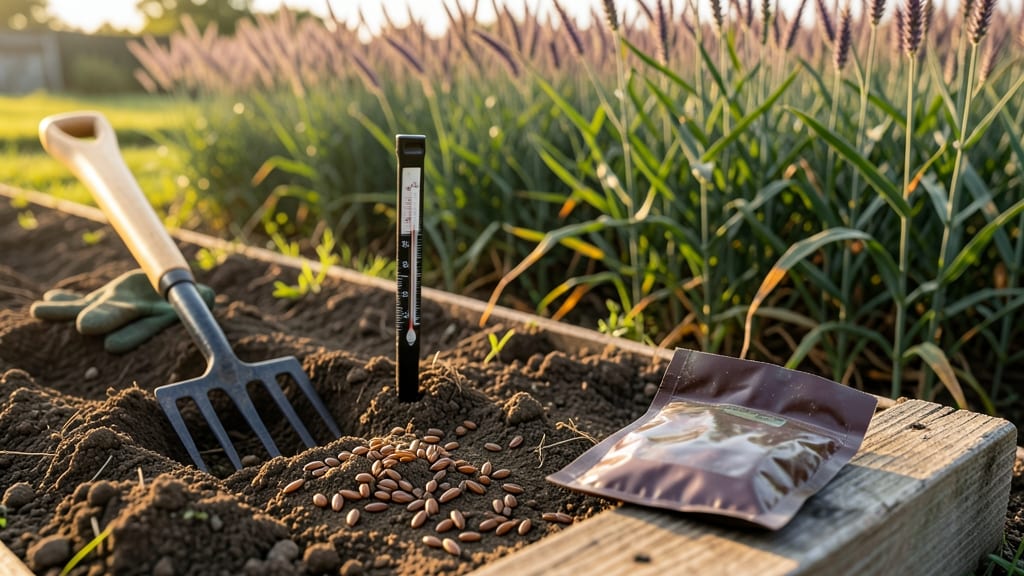
Planting winter rye 🌾 in Texas isn't just about throwing seeds in the ground—it's about catching that sweet spot between September and November, when the soil is still warm enough to germinate but cool enough to avoid summer stress.
Get it wrong, and you'll either end up with weak, stunted growth or a cover crop that bolts before it can protect your soil.
Here's the thing: Texas isn't one-size-fits-all when it comes to gardening. North Texas gardeners should aim for planting between September and November, while those in Central or South Texas can push it slightly later—think October through December.
The key is planting 6-8 weeks before your first frost, giving your winter rye enough time to establish strong roots before the cold sets in.
Why does timing matter so much? Because winter rye is a game-changer for Texas soils—suppressing weeds, preventing erosion, and adding organic matter. But if you plant too late, frost can damage young plants before they take hold.
Too early, and you risk summer heat stress or even bolting before winter arrives.
In this guide, I'll break down the exact planting windows for your specific Texas region, plus soil prep tips and common mistakes to avoid. Let's get your winter rye off to the best possible start—soil health depends on it!
Best planting months for winter rye in Texas by climate zone
Texas’ diverse climate zones mean winter rye planting dates vary dramatically—from North Texas’ cooler hills to South Texas’ mild winters. The key is planting 6-8 weeks before first frost to ensure strong root growth before winter sets in.
Here’s your zone-by-zone breakdown to avoid common mistakes like bolting or weak establishment.
For North Texas (USDA Zones 7b-8a), your ideal window is mid-September to early November. This gives winter rye time to establish before the first frost around November 15.
In Central Texas (Zones 8a-8b), aim for late September to December, while South Texas (Zones 9a-10b) gardeners can plant until mid-December thanks to milder winters.
Soil temperatures below 50°F (10°C) slow germination, so avoid planting when nighttime temps drop consistently. Use a soil thermometer to confirm conditions—winter rye thrives when soil stays above 55°F (13°C) for at least 2-3 weeks post-planting.
| Climate Zone | USDA Zone | First Frost Date | Ideal Planting Window | Soil Temp Threshold |
|---|---|---|---|---|
| North Texas | 7b-8a | Nov 15 | Mid-Sept to early Nov | 55°F+ (13°C+) |
| Central Texas | 8a-8b | Dec 1 | Late Sept to Dec | 50°F+ (10°C+) |
| South Texas | 9a-10b | Dec 15 | Late Sept to mid-Dec | 50°F+ (10°C+) |
In North Texas, prioritize September planting for maximum root growth before winter. Central Texas gardeners have more flexibility but should finish by early December to avoid weak winter survival. South Texas’ later window lets you plant even in December, but aim for before Christmas for best results.
Pro tip: Check your local frost forecast (via NOAA or AgriLife Extension) for precise dates. Planting too late risks shallow roots that freeze, while planting too early can trigger premature bolting before winter sets in.
For grain production, delay planting until late October in cooler zones to avoid early bolting. But for soil protection, earlier planting (September) is ideal to establish a thick mat before winter rains.
Remember: Winter rye thrives in cool but not freezing conditions. If temps drop below 20°F (-7°C) for extended periods, the plant may go dormant but typically recovers in spring. Use row covers in North Texas if early frosts threaten.
Align your planting with rainfall patterns: Aim for 1 inch of rain within 2 weeks of planting to ensure germination. In dry years, water lightly (¼ inch) every 3-4 days until seeds sprout.
For maximum soil protection, plant winter rye after your main crops (e.g., after tomatoes or peppers in October). This gives it time to establish before winter while suppressing weeds and preventing erosion.
How to time winter rye planting for maximum soil protection
Timing your winter rye planting isn't just about the calendar—it's about aligning with Texas' rainfall patterns, frost forecasts, and your specific cover crop goals.
Whether you're aiming for weed suppression, erosion control, or green manure, the right window ensures your cover crop thrives before winter sets in.
For maximum soil protection, plant winter rye when soil temperatures drop below 80°F but remain above 50°F. This sweet spot—typically late September to early November—gives seeds time to germinate before cooler weather slows growth.
Check your local frost dates and aim to plant 6-8 weeks before the first frost.
🌱 Pro Tip: Use a soil thermometer to confirm temperatures. Winter rye seeds need 50-70°F soil to sprout reliably. If your soil is still too warm, wait a week or two—patience now means stronger roots later.
📌 Key Planting Timeline for Texas
- North Texas (USDA 8a): September 15 - October 15 (soil temps 60-75°F)
- Central Texas (USDA 8b-9a): October 1 - November 1 (soil temps 55-70°F)
- South Texas (USDA 9b-10b): October 15 - December 1 (soil temps 50-65°F)
💡 Adjust dates 1-2 weeks earlier if using for forage or grain harvest.
Your cover crop goals should also dictate timing. For weed suppression, plant earlier in the window—this gives winter rye time to establish before weeds take over. If your goal is green manure, aim for the middle of the window to ensure robust growth before winter dormancy.
After planting, lightly mulch with straw to retain moisture and protect young seedlings. Winter rye needs consistent moisture during germination but becomes drought-tolerant once established. Water deeply once a week for the first month, then reduce to bi-weekly unless Texas heat returns unexpectedly.
🌿 Remember: Winter rye planted too late may not establish strong roots before frost, leaving your soil vulnerable to erosion. But planted at the right time, it becomes your garden's unsung hero—keeping weeds at bay and enriching the soil naturally.