
Flowers
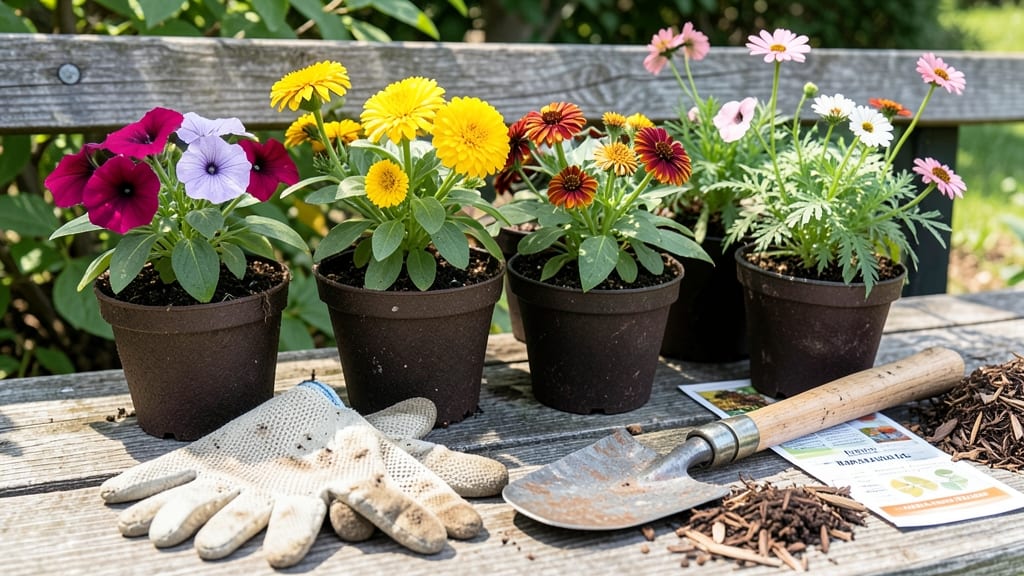
Knowing when is it safe to plant flowers in Missouri can mean the difference between a show-stopping garden and a sad, wilted mess. Missouri’s 5b-6a zones bring warm days but also late frosts—so timing matters more than you’d think.
Most gardeners wait until after the April 15 average last frost date, but soil temperature is the real game-changer. Flowers like zinnias and marigolds can handle heat once the ground reaches 60°F, while delicate blooms like pansies need cooler soil.
That’s why I’ll break down the exact windows for your zone.
You’ll learn how to use local cues—like lilac blooms or robin sightings—to time your plantings perfectly. No more guessing whether your 🌸 will thrive or wither in Missouri’s unpredictable spring.
Let’s dive into the strategies that’ll have your garden bursting with color all season—without the stress of frost or heat stress. Ready to get started?
Missouri planting zones and safe flower planting dates by last frost
Missouri spans USDA Hardiness Zones 5b through 7a, meaning frost dates vary dramatically from north to south.
For safe flower planting, focus on your local last average frost date—typically April 15 in northern Missouri (e.g., St. Louis) but as late as May 1 in colder regions like Kirksville. Always wait 2-3 weeks after your area’s last frost before planting heat-sensitive annuals like impatiens or petunias.
Southern Missouri (zones 6b-7a) enjoys earlier planting windows—often by March 15—while northern areas must wait until mid-to-late April. Perennials like coneflowers or black-eyed Susans can handle light frosts and can be planted 2-3 weeks before the last frost date.
For container-grown flowers, extend your season by 2-4 weeks since pots warm faster.
Key rule: Soil temperature should reach 60°F (15°C) at 4 inches deep for most flowers to thrive. Use a soil thermometer to confirm—cold soil stunts root growth, even if air temps are warm.
Here’s how Missouri’s planting zones break down for your flower garden’s success:
| Zone | Last Frost Date | Safe Planting Window | Heat-Sensitive Flowers | Heat-Tolerant Flowers |
|---|---|---|---|---|
| 5b (North) | April 25 | May 10–15 | Impatiens, Petunias, Begonias | Marigolds, Zinnias, Sunflowers |
| 6a (Central) | April 15 | April 25–May 1 | Pansies, Snapdragons, Coleus | Coneflowers, Black-Eyed Susans, Lavender |
| 6b–7a (South) | March 20–April 5 | March 25–April 15 | Geraniums, Lobelia, Dusty Miller | Salvia, Blanket Flower, Russian Sage |
🌱 Pro Tip: Use row covers to plant 2 weeks earlier in cooler zones.
Missouri’s unpredictable late frosts (even in May!) demand patience. If you’re in Zone 5b, avoid planting tender annuals until after May 10—unless you’re using frost cloths. For perennials, divide and transplant in early spring (March–April) or early fall (September) to establish roots before winter.
County-specific adjustments matter: Urban areas (like Kansas City) often warm 5–7 days faster than rural farms due to the urban heat island effect.
Check your local cooperative extension service for hyper-local frost data—some years, St. Louis sees frost as late as May 10, while Sedalia averages May 1.
For fall planting (August–September), aim for 6–8 weeks before first frost (typically October 15). Cool-season flowers like pansies and calendulas thrive when planted in late summer, blooming until hard frost. Use mulch to insulate roots and extend the season by 2–3 weeks.
Missouri’s microclimates create opportunities: South-facing slopes warm 10°F faster than north-facing beds. Plant heat-lovers like zinnias on sunny slopes and delicate flowers (e.g., impatiens) in shadier, cooler spots. Always test your soil’s drainage—waterlogged roots are a bigger threat than frost in Missouri’s clay-heavy soils.
My top 3 Missouri flower planting tips:
- Wait for 3 consecutive days above 50°F before planting frost-sensitive blooms.
- Hardy perennials (like daylilies) can go in 2 weeks before last frost—just mulch heavily.
- Start seeds indoors 6–8 weeks before your last frost date for earlier blooms.
Missouri’s flower gardening success hinges on respecting the frost clock—but with these zone-specific windows, you’ll avoid the most common mistakes and enjoy longer, brighter blooms. Next, we’ll compare heat-tolerant vs. frost-sensitive flowers to help you pick the perfect varieties for your Missouri garden. 🌻
Heat-tolerant flowers vs. frost-sensitive varieties: Missouri-specific survival guide
Missouri’s spring frost and summer heat create a tricky balance for gardeners. Some flowers thrive in our 90°F+ summers, while others wilt at the first sign of warmth. Knowing which heat-tolerant flowers to plant—and when—can mean the difference between a vibrant garden and a failed experiment.
Heat-tolerant varieties like black-eyed Susans and coneflowers can handle Missouri’s summer humidity and drought spells, while frost-sensitive blooms like pansies or snapdragons need careful timing to avoid late spring frost damage. Let’s break down the best options for your Missouri garden.
🌡️ Heat Resilience Rating (1-5)
For heat-tolerant flowers, plant after your last frost date (typically mid-April in Missouri). Stagger plantings every 2-3 weeks for continuous blooms. Frost-sensitive varieties should wait until after May 1 or use row covers for early spring plantings.
Missouri’s late spring frost (even in May!) can devastate tender blooms. If you’re planting frost-sensitive flowers like impatiens or petunias, consider using heat mats or greenhouse trays to extend your growing season. These tools raise soil temperatures 5-10°F, giving delicate plants a head start.
To maximize your garden’s success, pair heat-loving flowers (like zinnias or lantana) with shade-tolerant perennials (like hostas or heucheras). This creates a balanced ecosystem where some plants thrive while others rest during extreme heat. Mulching with straw or wood chips also helps retain moisture and regulate soil temperature.