
Plants
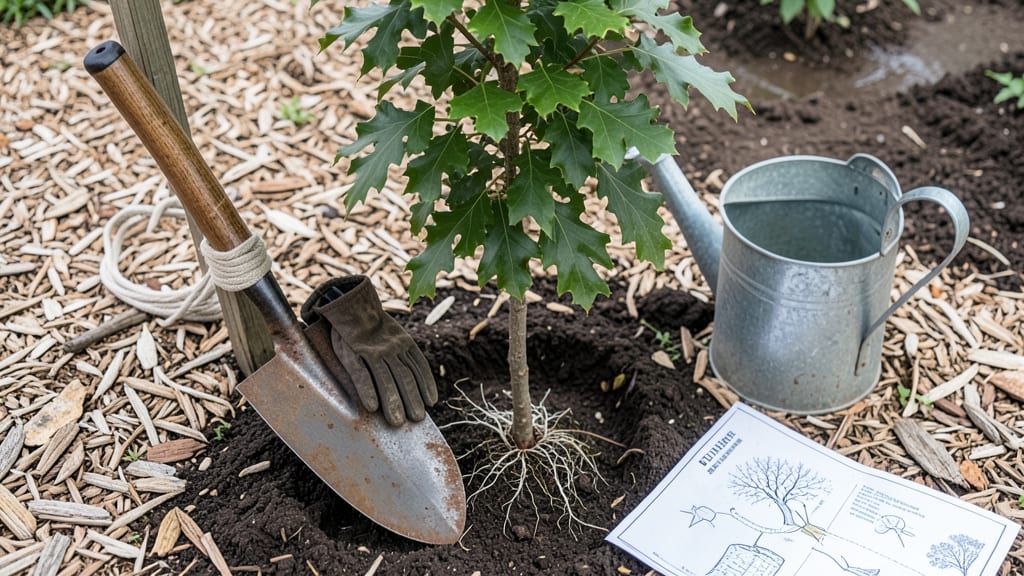
Timing your tree planting in Iowa can make or break your 🌳's long-term success—get it wrong, and you might end up with a sad, stunted sapling instead of a towering shade provider for decades.
With Iowa’s 5a-6b climate and unpredictable spring weather, knowing the best window to plant isn’t just helpful—it’s essential for survival.
You’ve probably heard "spring or fall" as the general rule, but Iowa’s last frost date around April 15 means rushing too early can leave your tree vulnerable to frost heave or winter damage.
Meanwhile, waiting too late risks limited root growth before summer’s heat sets in. So when exactly should you break ground?
I’ll walk you through the zone-specific deadlines that separate thriving trees from struggling ones, including how to adjust for Iowa’s variable microclimates—whether you’re in Des Moines or Sioux City. Plus, I’ll share the best species for your zone and the critical mistakes that trip up even experienced gardeners.
Ready to plant with confidence? Let’s dive into the exact timing and care tips that’ll give your tree the best shot at becoming Iowa’s next great neighbor.
Iowa’s ideal tree planting windows by USDA Zone (and why timing matters)
Iowa’s USDA hardiness zones 4a-5b create a delicate balance for tree planting—too early and frost heave can uproot young roots, too late and summer heat stresses newly transplanted trees.
The optimal windows are early spring (March-April) and fall (October), when soil temperatures hover between 40°F and 60°F—ideal for root establishment before dormancy or extreme heat.
Bare-root trees thrive when planted in dormancy, either late fall (after leaves drop) or early spring (before buds swell). Container-grown trees offer more flexibility, allowing planting through spring and early fall, but avoid Iowa’s freeze-thaw cycles in late winter or summer’s drought stress.
For example, Des Moines (Zone 5b) has a last frost date around April 15, while Sioux City (Zone 4b) waits until May 1 for safer planting.
Soil temperature is your best guide: use a soil thermometer to confirm 50°F+ at 6 inches deep before planting. In Zone 4a, aim for April 15-May 15; in Zone 5b, March 15-April 30 works best.
Fall planting should finish 6-8 weeks before first frost (typically by October 15 in most of Iowa).
| USDA Zone | Ideal Planting Window | Soil Temp Threshold | Key Consideration |
|---|---|---|---|
| 4a (Northern IA) | April 15–May 15 | 50°F+ at 6" | Avoid late frosts; use windbreaks |
| 4b (Central IA) | April 1–May 10 | 50°F+ at 6" | Monitor for black walnut toxicity |
| 5a (Southern IA) | March 15–April 30 | 45°F+ at 6" | Watch for early spring droughts |
| 5b (Southeast IA) | March 1–April 15 | 40°F+ at 6" | Prioritize moisture retention |
🌱 Pro Tip: Container-grown trees can extend planting to May 15 in Zone 4a if soil stays moist.
Iowa’s microclimates add complexity: urban areas like Cedar Rapids (Zone 5a) may experience earlier soil warming due to pavement heat, while rural Sioux County (Zone 4b) faces colder, windier conditions.
Adjust planting dates by 1-2 weeks based on local frost data from Iowa State University’s Mesonet. For example, honey locust tolerates Zone 4a but needs extra mulch in windy areas.
Fall planting offers 6-8 weeks of root growth before winter, but stop by October 15 to avoid frost heave.
Water deeply once a week after planting, and apply 3-4 inches of mulch to insulate roots. Bare-root trees planted in fall should have no leaves—wait until next spring for leafy varieties like redbud or dogwood.
Summer planting is possible in Iowa’s southern zones (5a-5b) but requires daily watering and shade cloth to reduce transplant shock. If you miss spring/fall, container-grown trees can be planted in June-July, but expect slower establishment.
Always amend clay soil with compost to improve drainage—a common issue in Des Moines’ Zone 5b.
Timing also affects tree species success. Oaks and maples (common in Zone 4a) should be planted in fall to establish roots before summer drought. Fruit trees like apple or pear (Zone 5b) thrive with spring planting to avoid bacterial canker risks from wet fall soil.
Check Iowa State Extension’s tree guides for species-specific deadlines.
Don’t overlook container-grown trees’ flexibility—they can be planted year-round (except winter), making them ideal for urban landscapes where timing is unpredictable. Just ensure the root ball
Critical mistakes to avoid when planting trees in Iowa’s unpredictable spring
Iowa’s spring weather is famously fickle—one day it’s 60°F and sunny, the next it’s a 20°F freeze with snow flurries. This unpredictability makes timing your tree planting tricky, and even experienced gardeners can fall into common traps.
The biggest mistake? Planting too early when the ground is still frozen or too late when summer heat arrives before roots establish.
Another pitfall is ignoring soil temperature thresholds. Most trees need soil temps above 40°F (4°C) to avoid root damage. In Iowa, this usually means waiting until mid-April in the southern zones (5a) and early May in the northern zones (4b).
Rushing can lead to frost heave, where roots freeze, expand, and push the tree out of the ground.
Here’s the visual breakdown of what NOT to do—and how to adjust for Iowa’s variable conditions:
⚠️ Iowa Spring Planting Pitfalls
- Planting too early: Frost heave risk if ground isn’t thawed (after April 15 in most zones).
- Skipping soil prep: Compacted or waterlogged soil strangles roots—amend with compost or sand if needed.
- Over-watering: Soggy soil suffocates roots; aim for deep but infrequent watering (15-20 gallons weekly).
- Ignoring mulch depth: Too much mulch (4+ inches) can smother roots; keep it at 2-3 inches.
- Staking incorrectly: Only stake if tree sways in wind—over-staking weakens trunk.
🌱 Pro Tip: Use a soil thermometer to confirm temps are above 40°F (4°C) before planting.
I’ve also seen gardeners make the mistake of planting container-grown trees in summer heat. While these can technically be planted year-round, Iowa’s July temperatures can stress young roots. If you must plant in summer, choose overcast days and water deeply every 3-4 days to help the tree adjust.
One often-overlooked factor is rainfall variability. Iowa’s spring showers can be torrential, leading to waterlogged soil. If you’re planting in a low-lying area, consider raising the planting hole slightly or adding a 10% sand mix to improve drainage.
Conversely, in drought-prone years, prioritize deep watering over frequent shallow watering to encourage root growth.
Finally, don’t underestimate the power of post-planting care. Many trees fail not because of poor timing, but because they weren’t given enough time to establish. For the first year, water deeply once a week (or more in summer) and apply a 2-3 inch mulch ring to retain moisture.
Avoid fertilizing until new growth appears in spring—too much nitrogen can burn tender roots.
By sidestepping these mistakes, your tree will have the best shot at thriving in Iowa’s 5a-6b climate, whether you’re in the humid east or the drier west. The key is patience—let the tree set roots before pushing it to grow.