
Plants
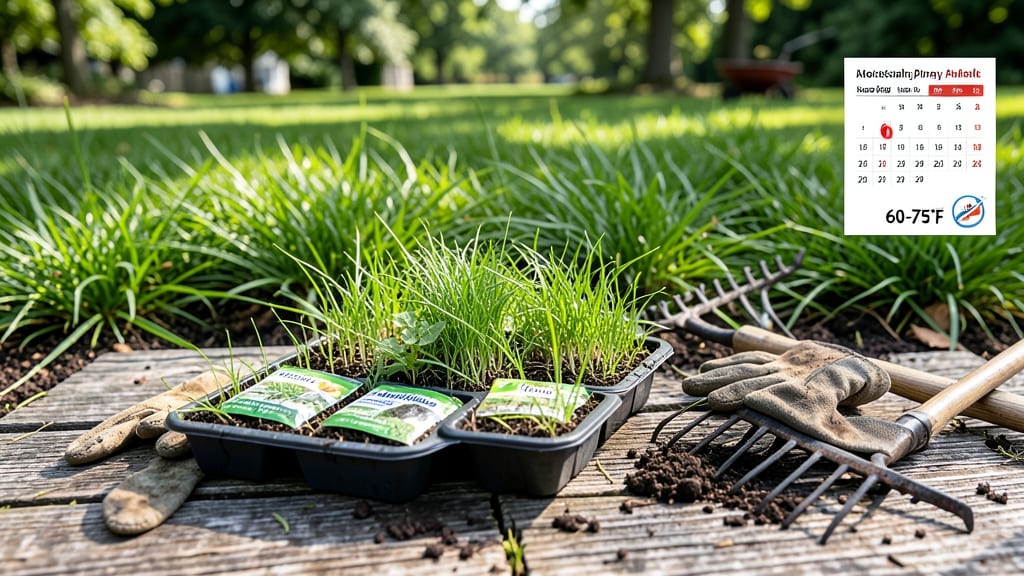
If you've ever stared at a patchy lawn and wondered why your grass isn't thriving, the answer might be simpler than you think: planting at the wrong time in Kansas can make all the difference.
Whether you're seeding or laying sod, getting the timing right—especially with Kansas's unpredictable weather swings—is the key to a lush, resilient lawn that actually sticks around.
Most gardeners in zones 5b-7a know spring and fall are the prime windows, but did you know soil temperature matters more than just the calendar? Planting when the ground reaches 50-65°F ensures your 🌱 turfgrass takes root before summer heat or winter frost can sabotage your efforts.
Let me show you exactly when to plant in Kansas—no guesswork, just science-backed deadlines for your specific zone.
We’ll break down the ideal planting windows, including why early spring (March-April) and late summer/early fall (August-September) work best for Kansas’s climate. You’ll also learn how to avoid common mistakes, like planting too early and risking frost damage or waiting too late and battling summer drought.
Ready to transform that bare spot into a vibrant lawn? Let’s get started.
From choosing the right grass type for your Kansas county to adjusting for rainfall patterns, this guide gives you the local insights you need. Skip the trial-and-error—plant with confidence and watch your lawn thrive.
Optimal Kansas grass planting windows by soil temperature & hardiness Zone
Kansas spans USDA Hardiness Zones 5b through 7a, meaning the best planting windows vary slightly depending on where you live. For cool-season grasses like tall fescue and Kentucky bluegrass, aim for early spring (March-April) or late summer/early fall (August-September).
Warm-season grasses like Bermuda and buffalo grass prefer late spring (May-June) when soil warms to 65°F or higher.
Soil temperature is your best indicator of readiness. Cool-season grasses thrive when soil reaches 50-60°F, while warm-season varieties need 65-75°F. Use a soil thermometer to check—planting too early risks frost damage, and too late means competing with summer heat and drought.
Kansas’ average last frost date is around April 15, but this shifts 1-2 weeks earlier in Zone 7a (southern Kansas) and 1-2 weeks later in Zone 5b (northeast). Similarly, the first frost typically hits October 15, with southern areas holding off until late October.
For spring planting, seed 4-6 weeks before your last frost date to give grass time to establish roots before summer heat arrives. In fall, plant 6-8 weeks before the first frost to allow roots to strengthen before winter dormancy.
Here’s how Kansas’ zones break down for ideal planting windows and soil temperature thresholds:
| Zone | Cool-Season Window | Warm-Season Window | Soil Temp Threshold | Last Frost Date |
|---|---|---|---|---|
| 5b (Northeast KS) | March 15 - April 15 | May 15 - June 15 | 50-65°F | April 20 |
| 6a (Central KS) | March 1 - April 10 | May 1 - June 10 | 50-65°F | April 15 |
| 7a (Southwest KS) | February 28 - March 31 | April 15 - May 15 | 55-70°F | April 1 |
*Adjust for microclimates—valleys stay cooler, hillsides warm faster.
In Zone 5b, for example, tall fescue seeded in late March will establish roots before summer heat arrives, while Bermuda grass planted in mid-May avoids early frost risks. Always check your local extension office for precise frost dates—Kansas’ unpredictable weather can shift windows by 1-2 weeks.
For sodding, timing is slightly more flexible but still critical. Install cool-season sod in early spring or early fall when soil is workable but not frozen. Warm-season sod thrives when soil hits 65°F+, typically late April to early June in most of Kansas.
Pro tip: If you’re overseeding an existing lawn, do it in early fall (September) when temperatures cool but weeds are still active. This gives new grass a 6-8 week head start before winter dormancy.
Remember, Kansas’ clay-heavy soil stays cool longer—wait for consistent daytime temps above 60°F before planting cool-season grasses. Use a soil thermometer to avoid guesswork, especially in shady or low-lying areas that cool slower.
Critical mistakes to avoid when planting grass in Kansas seasons
Planting grass in Kansas might seem straightforward, but timing and preparation can make or break your lawn. One of the biggest mistakes I see is planting too early in spring when soil temperatures are still below 50°F.
Cool, damp soil slows germination and invites fungal diseases like pythium, which can kill your grass before it even sprouts. Always wait until the ground warms up—use a soil thermometer to confirm.
Another common blunder is ignoring Kansas’s clay-heavy soil. Many areas have compacted clay that prevents water and roots from penetrating properly. Before planting, loosen the top 6 inches of soil with a garden fork or tiller.
Mix in 2-3 inches of compost to improve drainage and fertility—this step alone can double your success rate.
⚠️ Kansas Grass Planting Pitfalls
- Planting too early: Frost damage or slow germination (🌱❄️)
- Skipping soil prep: Compacted clay = poor root growth (🪴🚫)
- Overwatering: Drowns seeds or washes them away (💧🌪️)
- Using wrong grass type: Warm-season grass in winter (☀️❄️)
- No frost buffer: Planting less than 6 weeks before first frost (⏰🌡️)
Pro Tip: Test soil moisture daily—it should stay evenly damp (not soggy) for best results.
Many homeowners also make the mistake of planting in late summer or early fall without adjusting for drought. By August, Kansas often experiences 90°F+ temperatures and dry winds that dry out seeds before they germinate.
If you’re planting in late summer, focus on shade-tolerant varieties like tall fescue and water deeply twice daily until germination occurs.
Another oversight is not accounting for Kansas’s variable rainfall. Some years bring early droughts, while others see sudden downpours. Always have a drip irrigation system or soaker hoses on hand to deliver 1 inch of water per week consistently.
Relying on rainfall alone is risky—your grass needs steady moisture, especially in the first 30 days after planting.
Finally, don’t overlook the importance of overseeding vs. full seeding. If you’re repairing a patchy lawn, overseeding in early fall (September) is ideal because cool temperatures encourage root growth.
But if you’re starting from scratch, full seeding in spring (April) gives your grass a head start before summer heat sets in.
By avoiding these mistakes, you’ll give your Kansas lawn the best possible start. Remember: patience and preparation are key—don’t rush the process, and your grass will reward you with a thick, green carpet all season long. 🌿